
Our Burns Night Dinner, the Potential of the Secondhand Economy & Launching our Partnership with The Fashion People.
Tamara Cincik on our incredible Burns Night dinner, Meg Pirie in conversation with Dias Nurlanov CEO of The Fashion People.
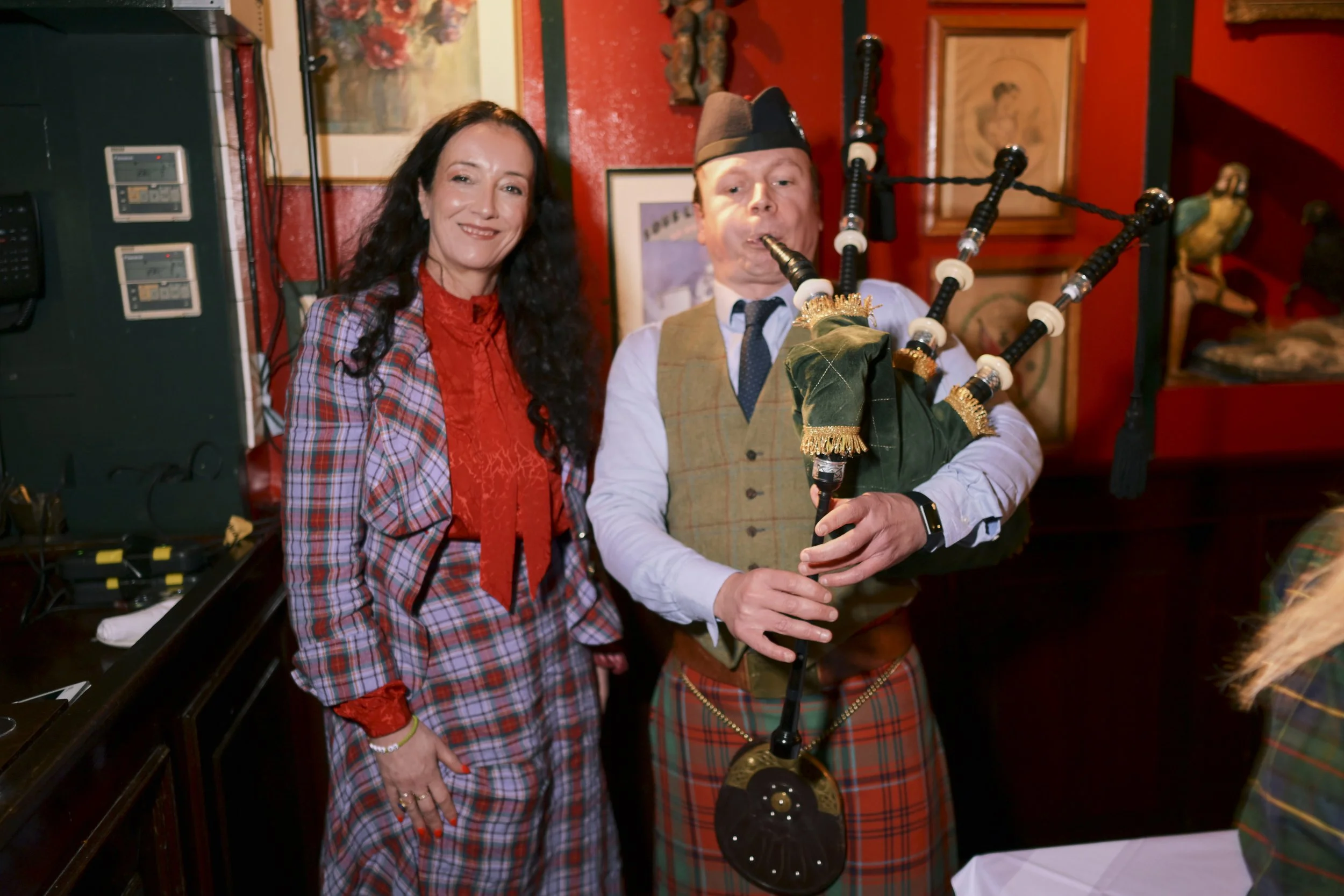
With Duncan Grant, our brilliant bagpipe player for the evening.
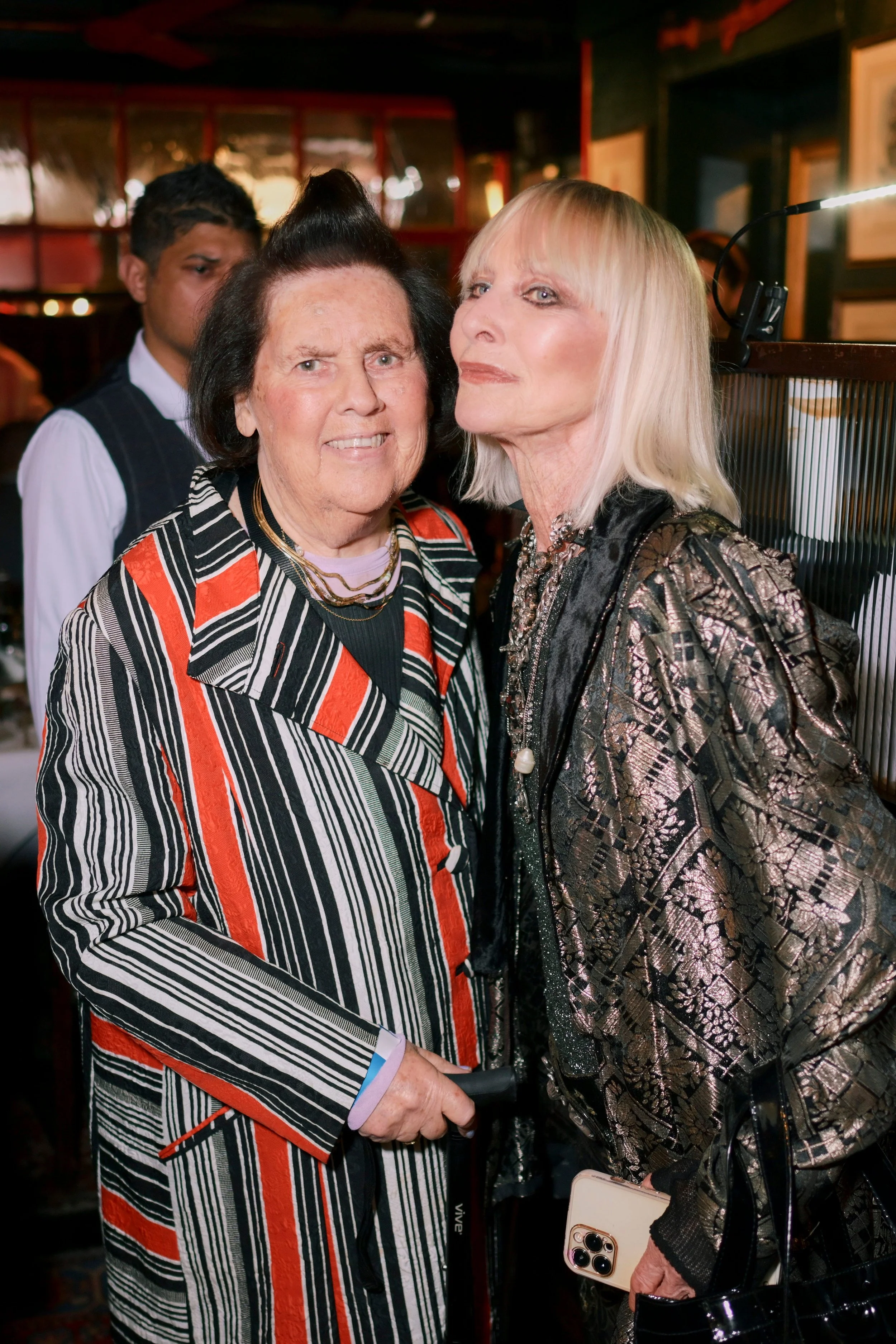
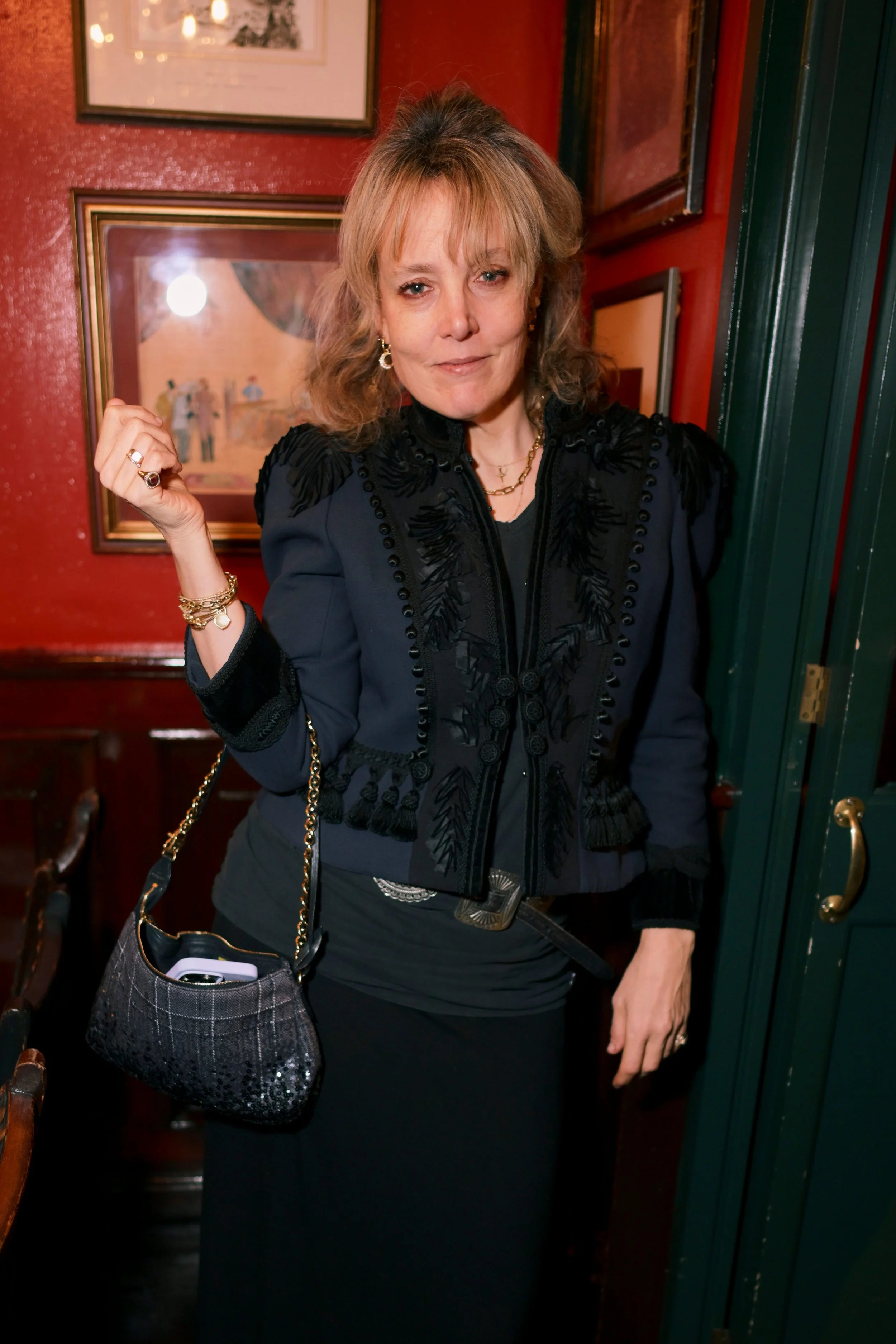
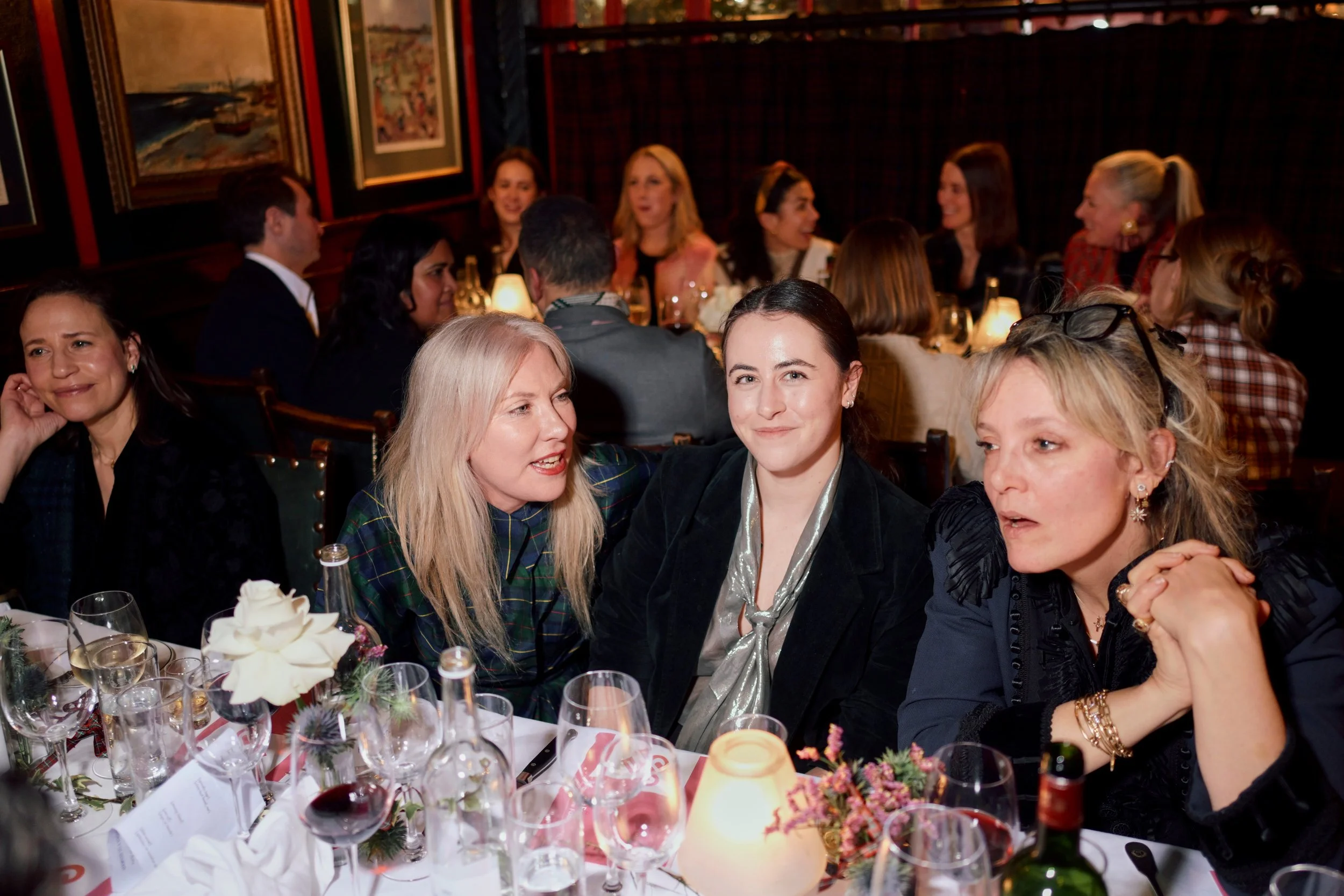
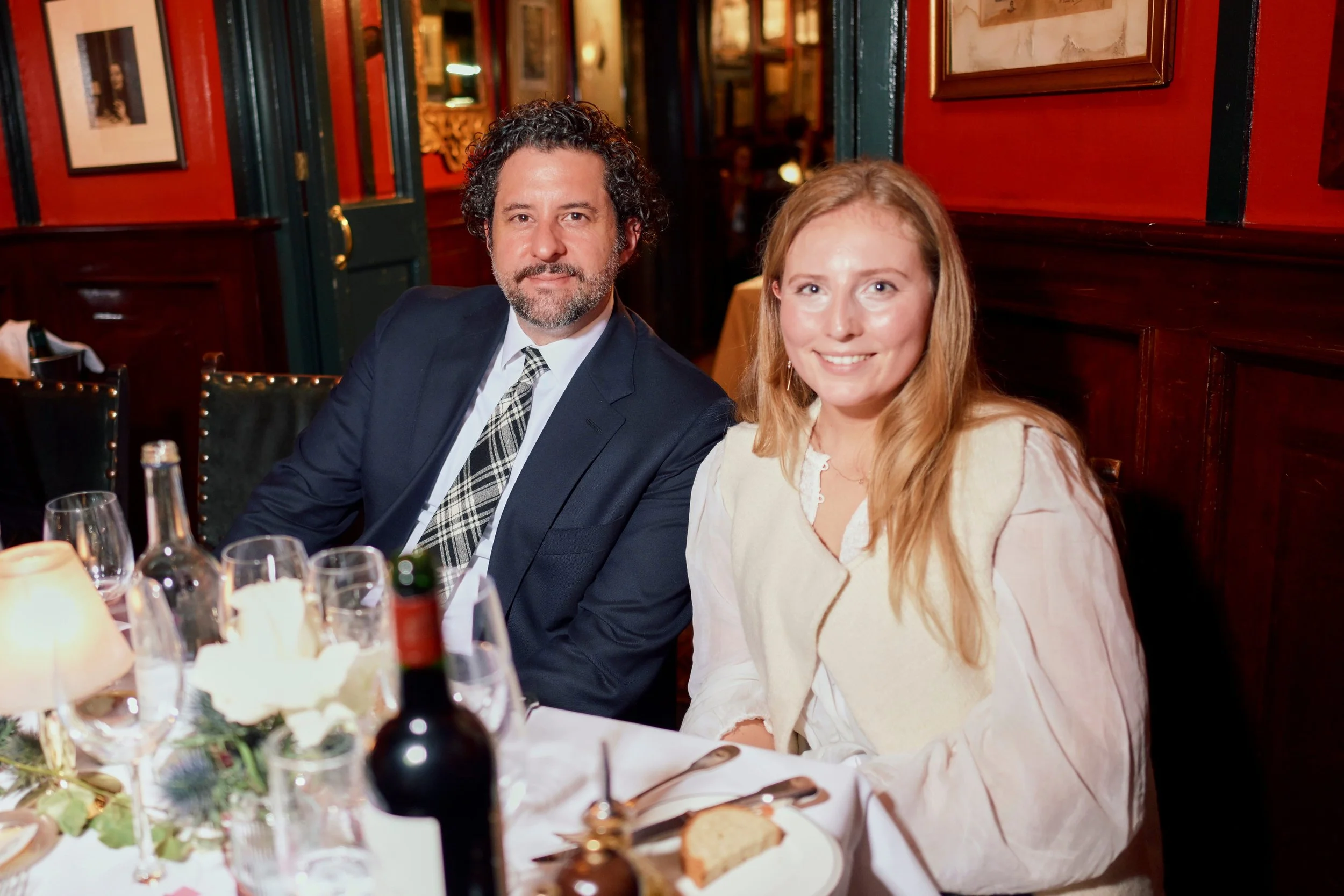
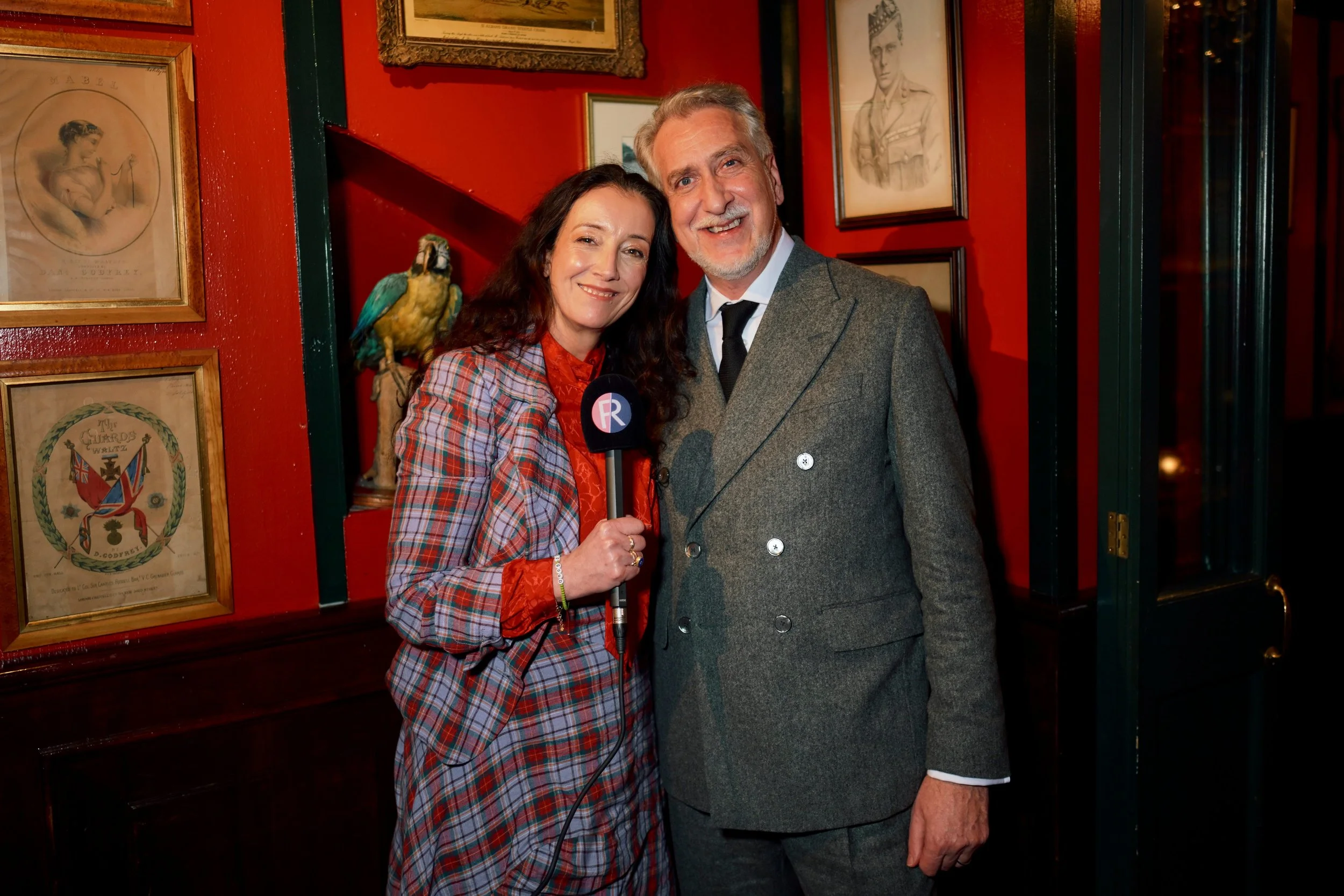
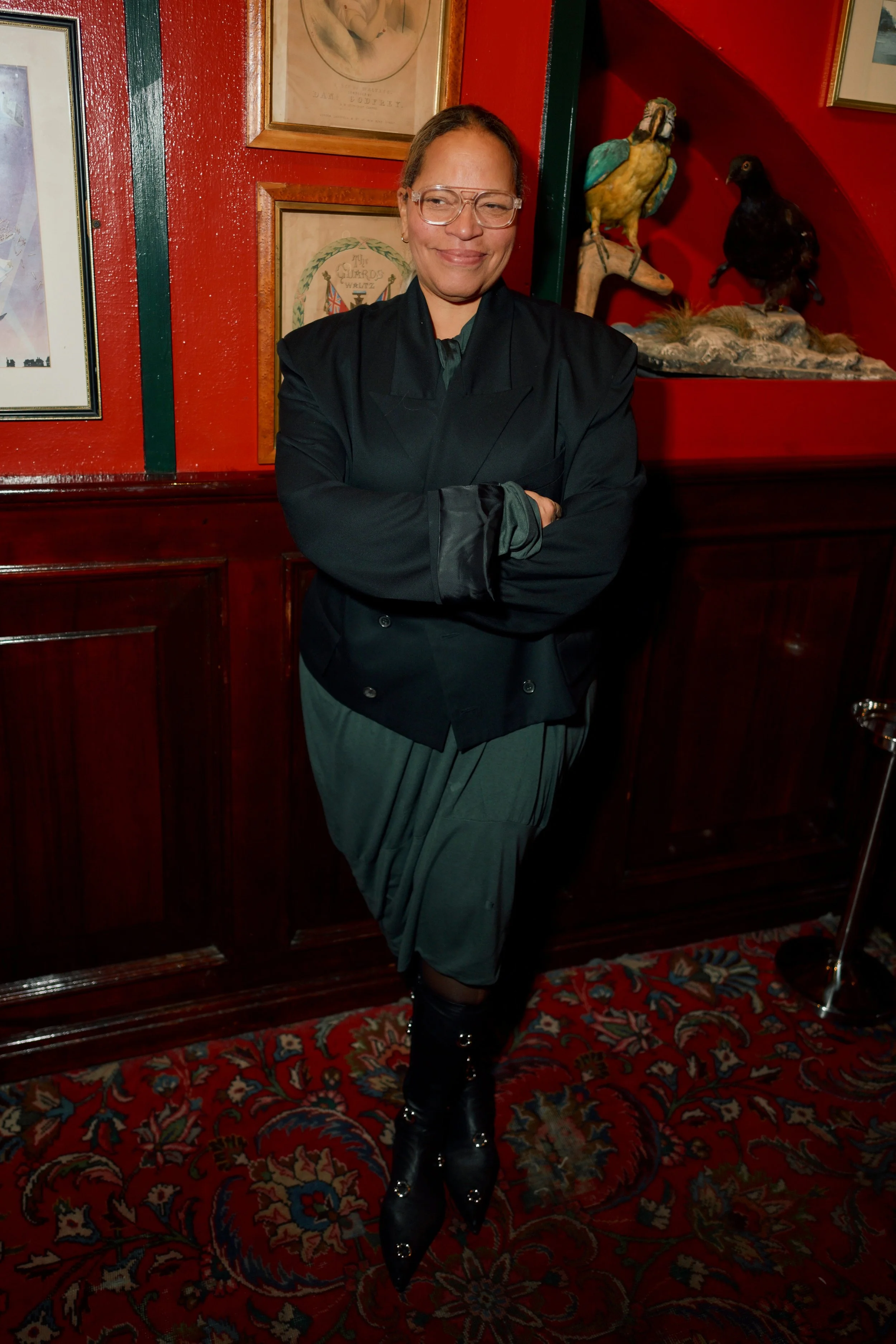
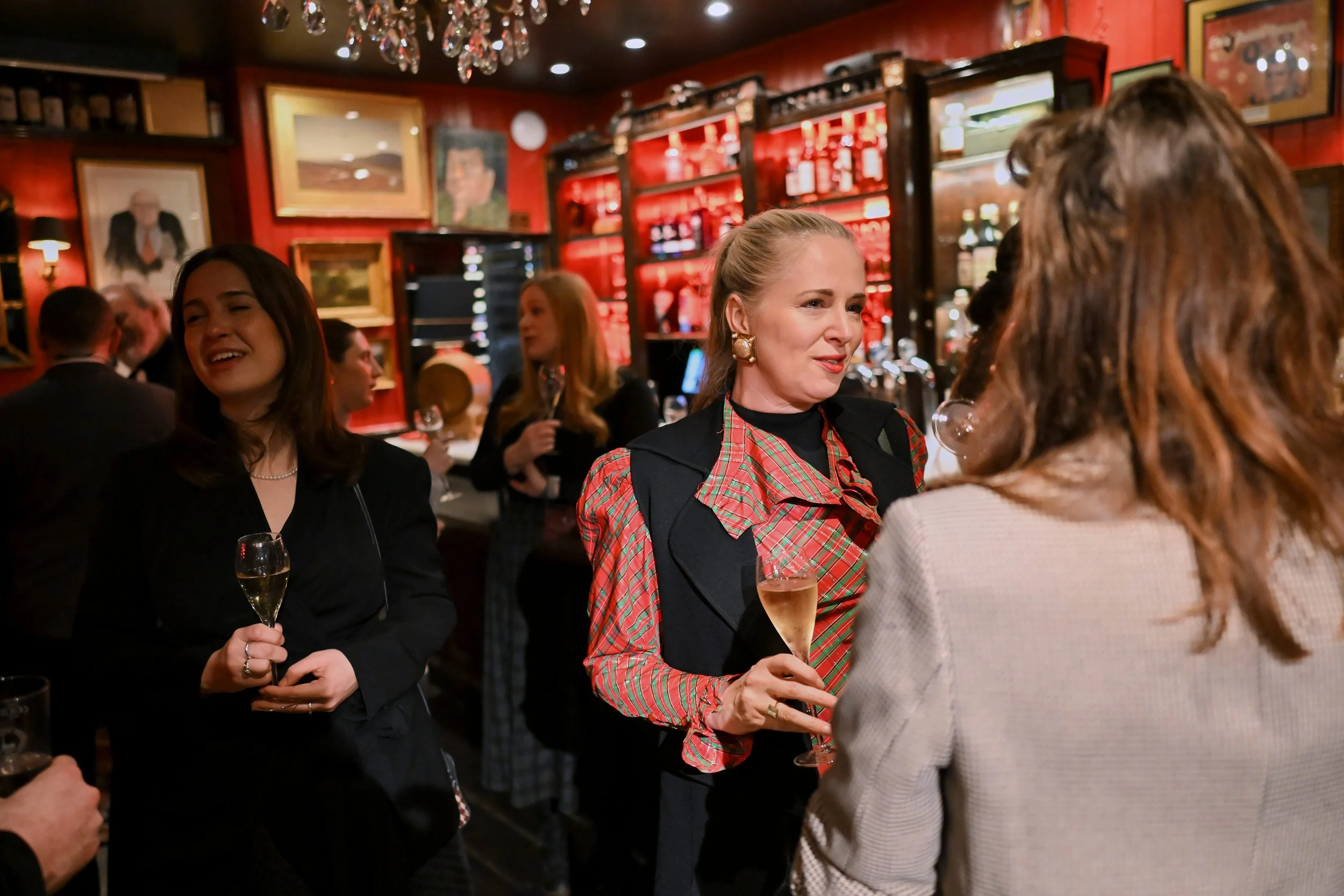
Our Burns Night at Boisdale Belgravia
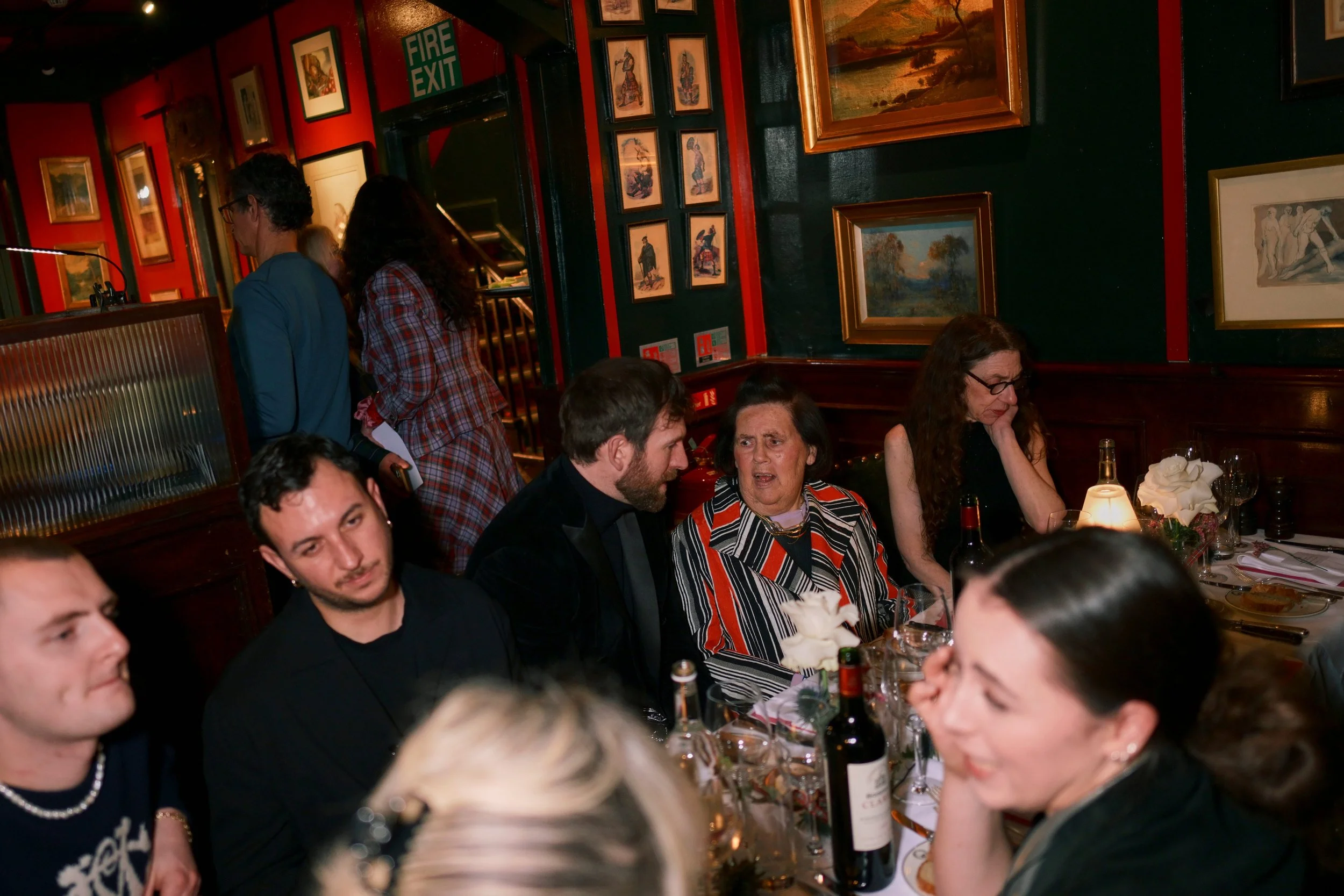
On Tuesday evening I hosted a Fashion Roundtable and The Fashion People Industry Leaders event for a Burns Night Dinner at Boisdale Belgravia, taking over its Auld Restaurant for an evening celebrating circular fashion, heritage and community. This was to launch our partnership with The Fashion People in the UK, who help fashion brands build circular commerce programmes without the complexity, with a white-labeled platform. The fact that brands are losing 10 - 20% of their potential income generation by not having clear ownership of their secondhand market voice, face and activity, is a compelling one, which this partnership seeks to solve.
I believe the secondhand economy is the area where brands can, and will, see growth margins, with the roll out of EPR and DPP in the EU and it's impact on the UK, where we already know Gens Z and A are leaning heavily into the resale market. By owning your resale platform a brand will retain that all important customer relationship, build brand loyalty, and retain IP. That's why Fashion Roundtable have partnered with The Fashion People to launch their resale operation and logistics in the UK. In a challenging market this will become the business sweet spot.
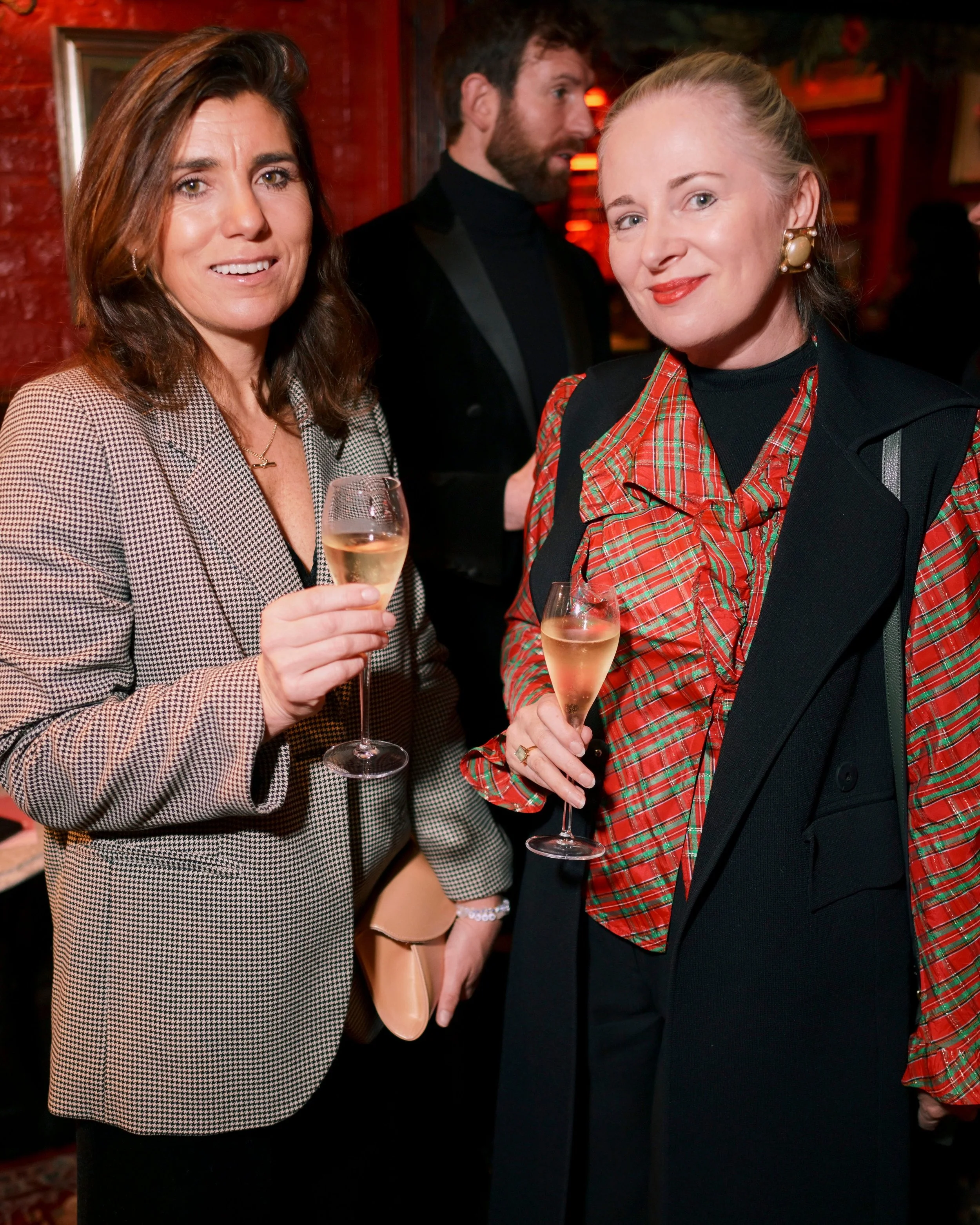
The guest list brought together leaders across fashion, media and sustainability, including Suzy Menkes, Clare Press, Bay Garnett, Virginia Bates, Bora Aksu, Karen Binns, Joshua Scacheri, Jason Gerrard, Emily Zak, Bella Ward, Rachel Arthur, Joe Bromley, Bella Webb, Dave Benett, Helen Anthony and representatives from Savile Row and the Pollen Estate, Mulberry, TOAST, Bamford, Gieves & Hawkes, Gina, Manolo Blahnik, Edward Sexton, Threadology and Paul Smith among others.
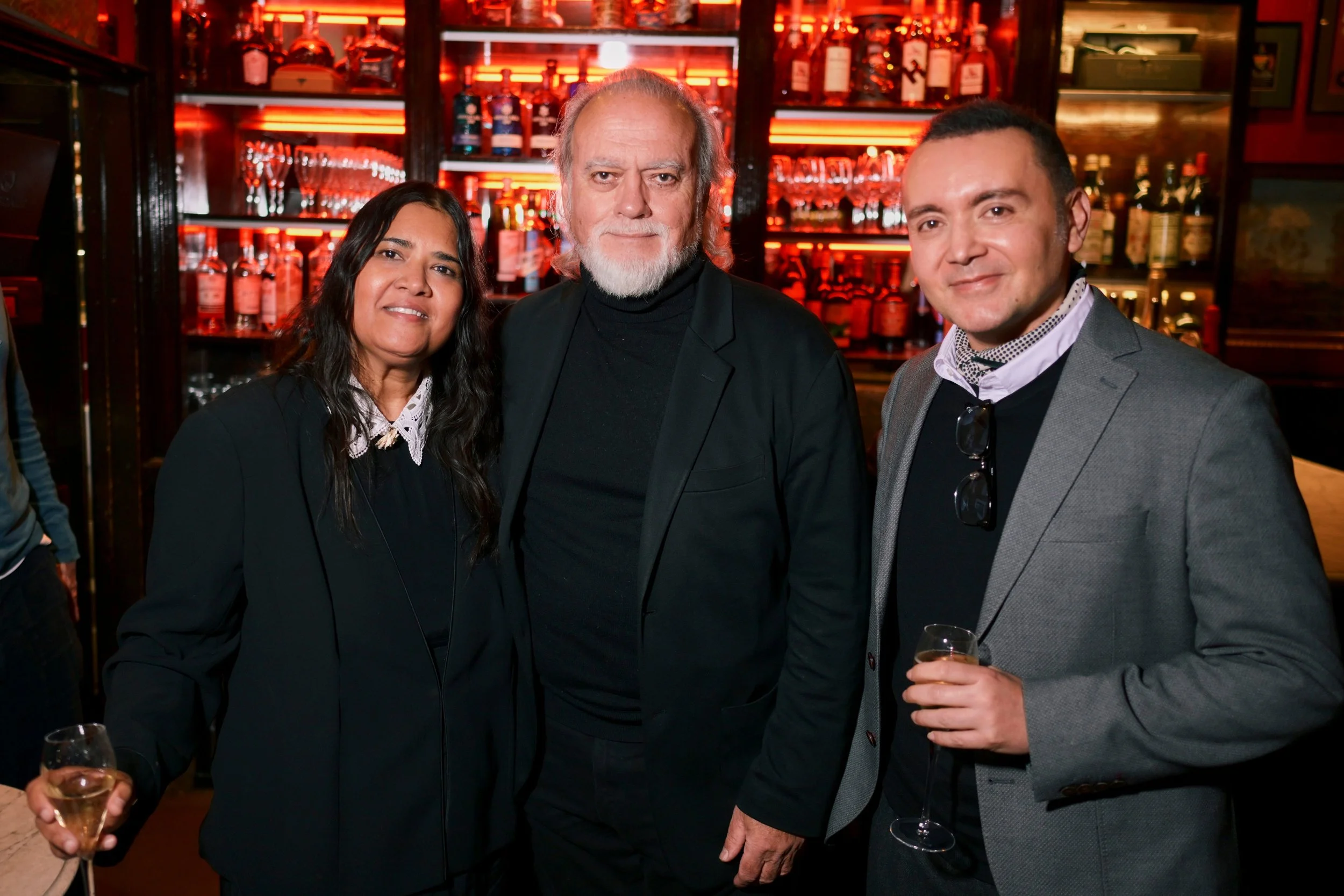
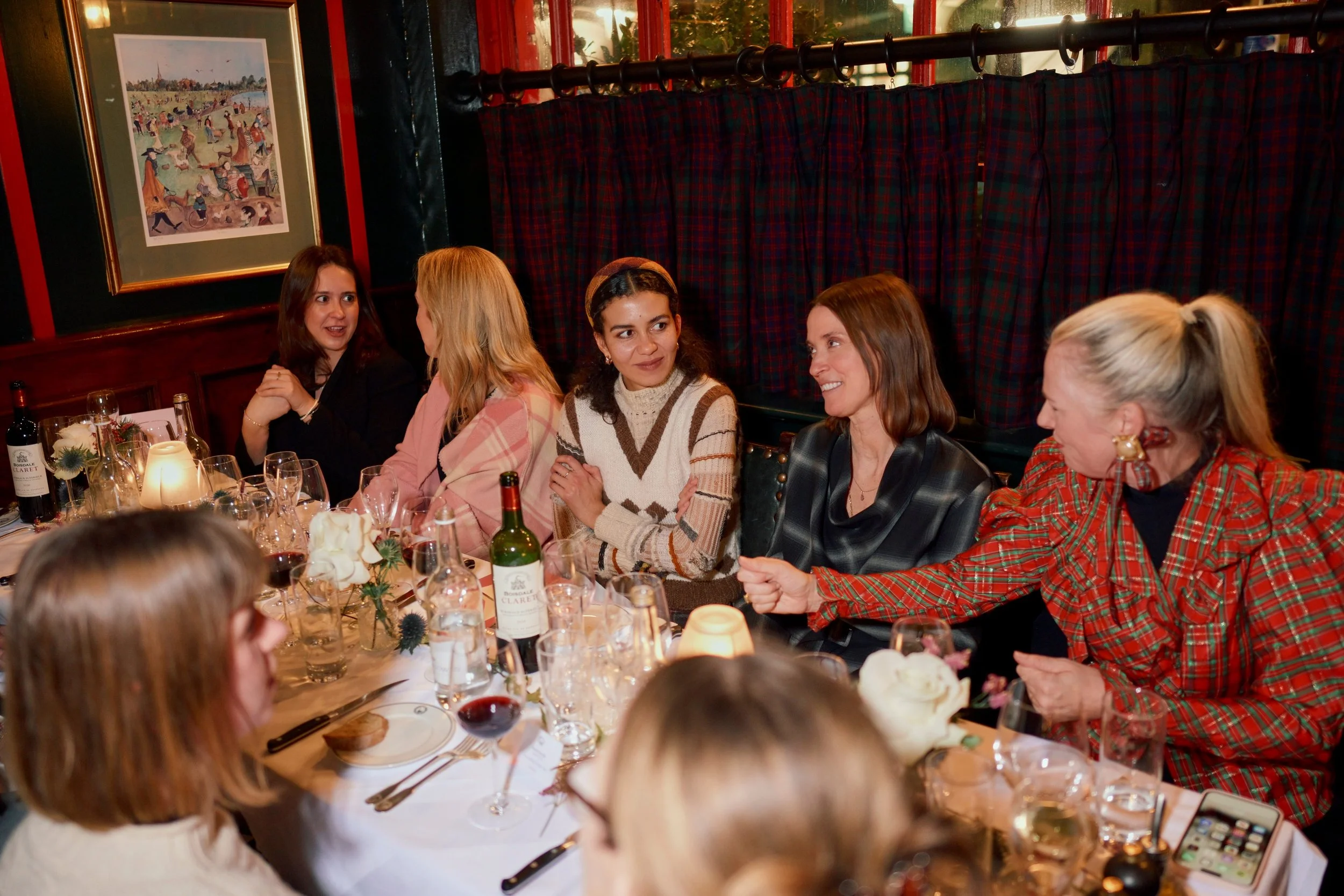
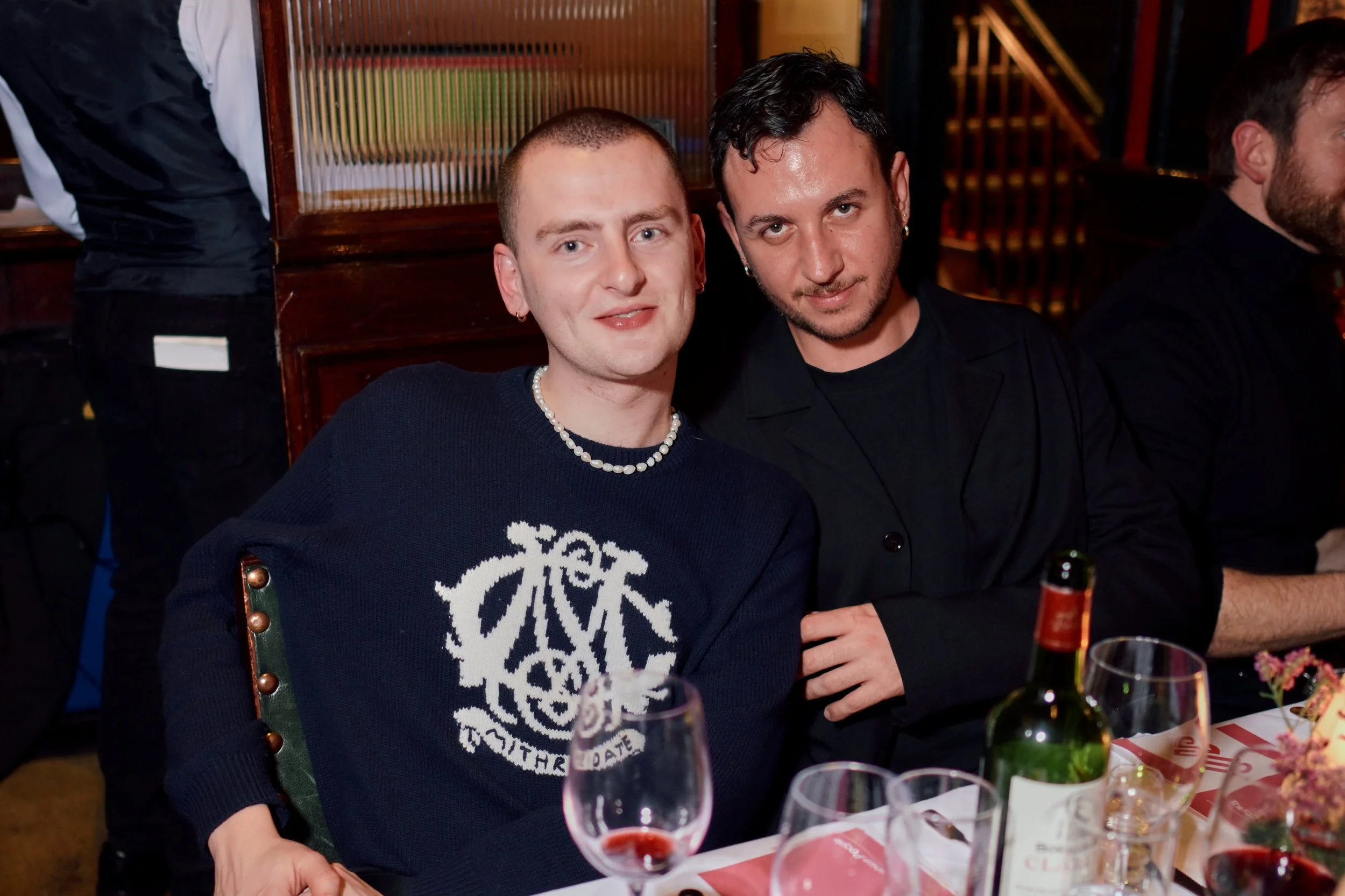
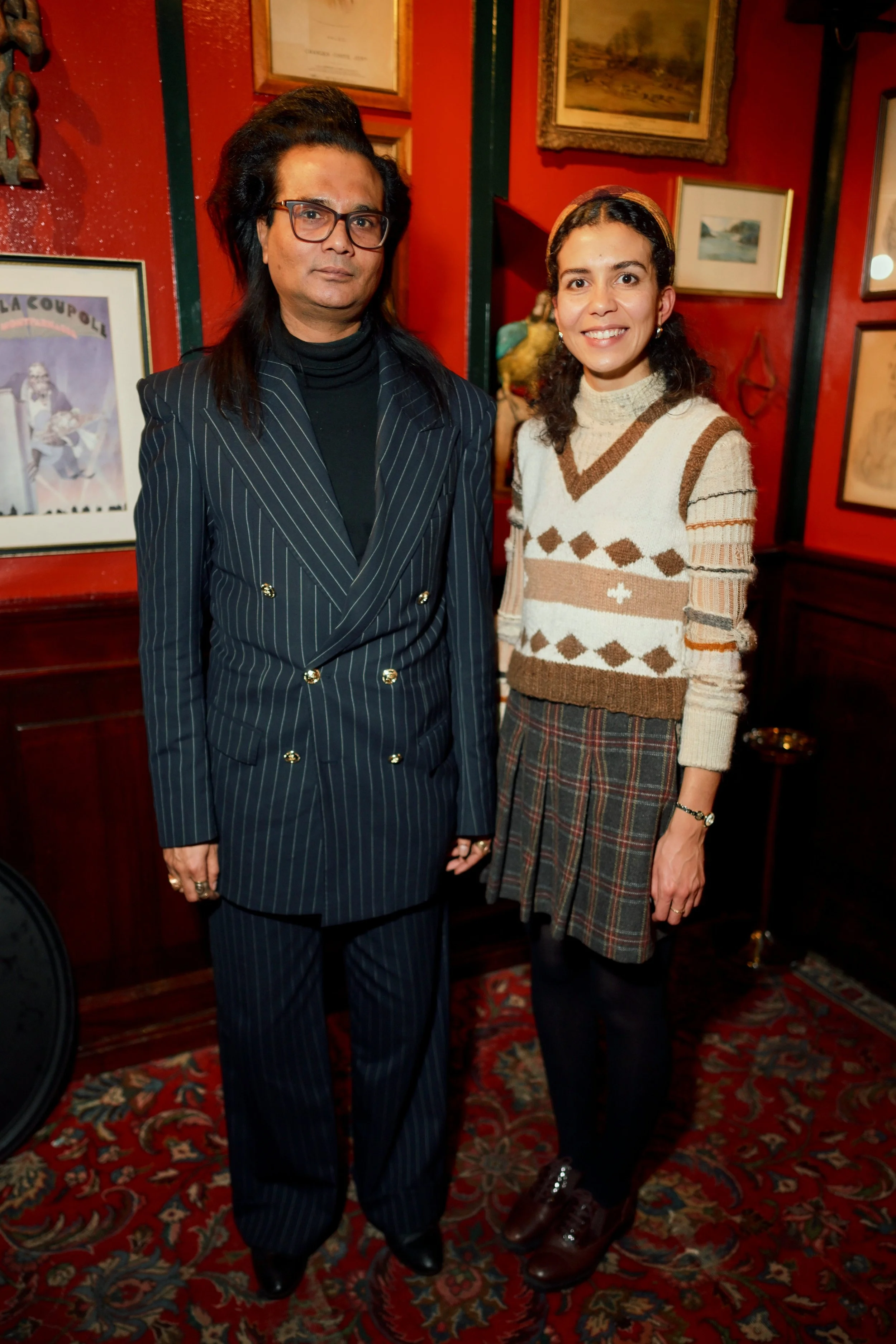
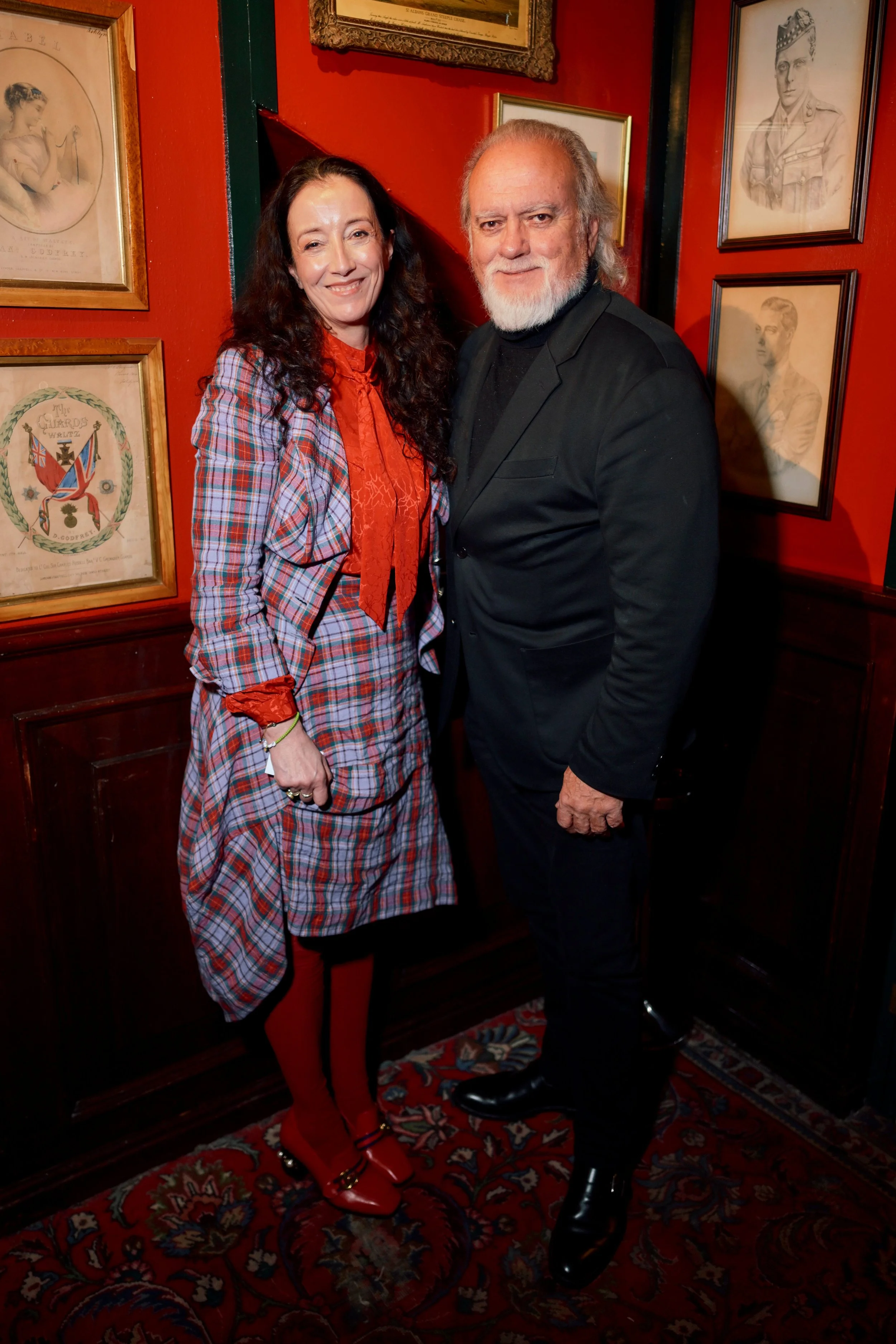
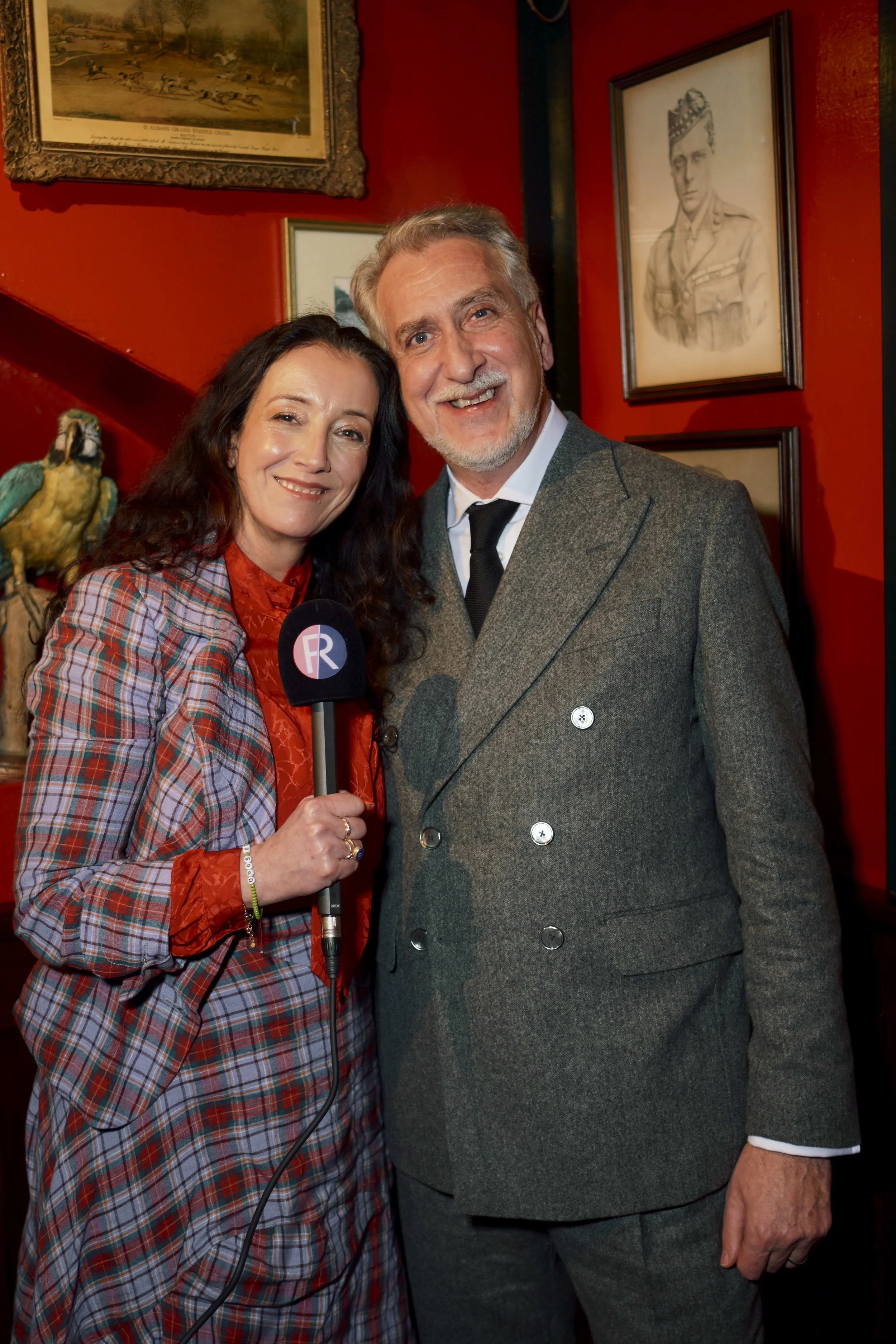
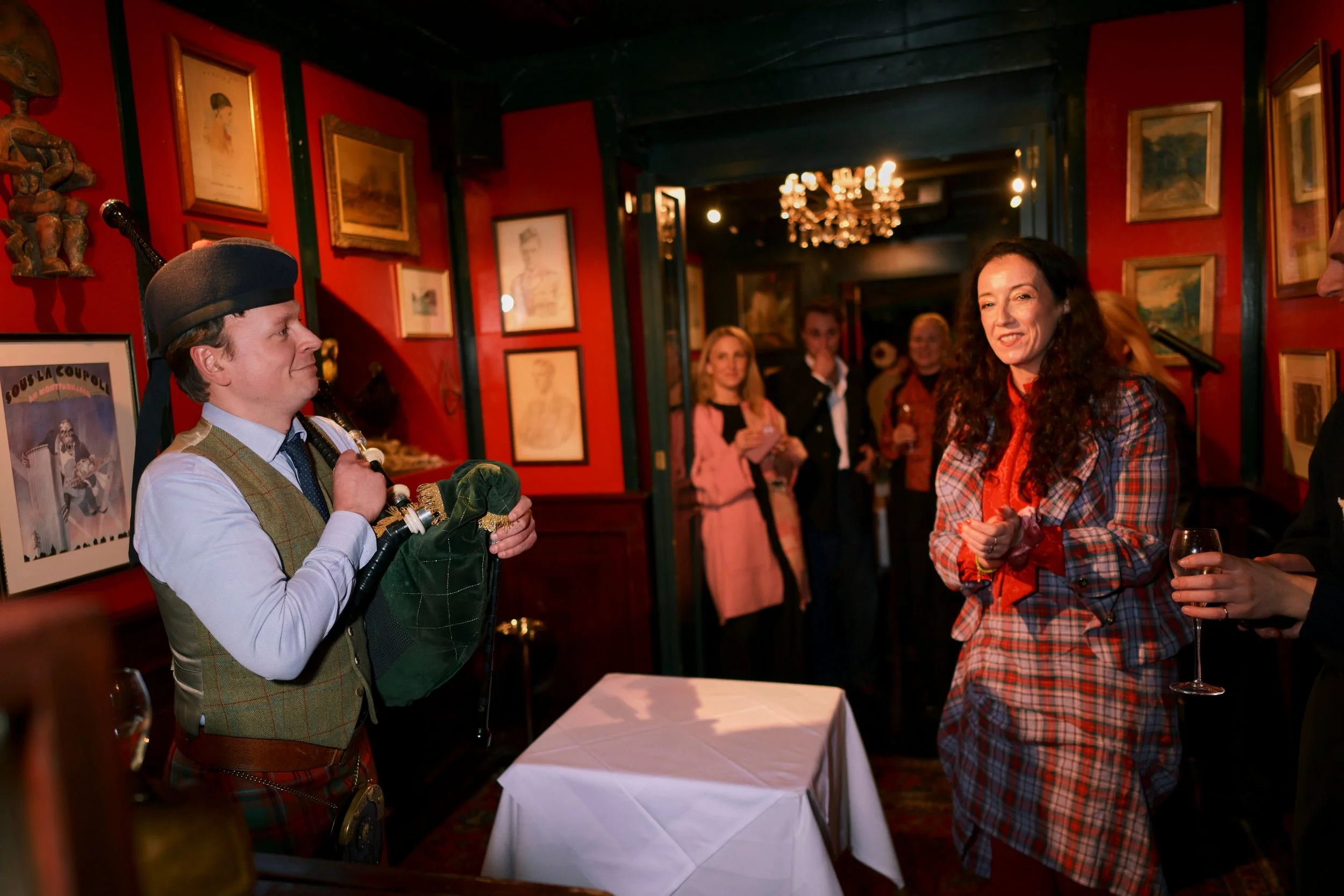
Photos Jed Cullen for Dave Bennett Agency
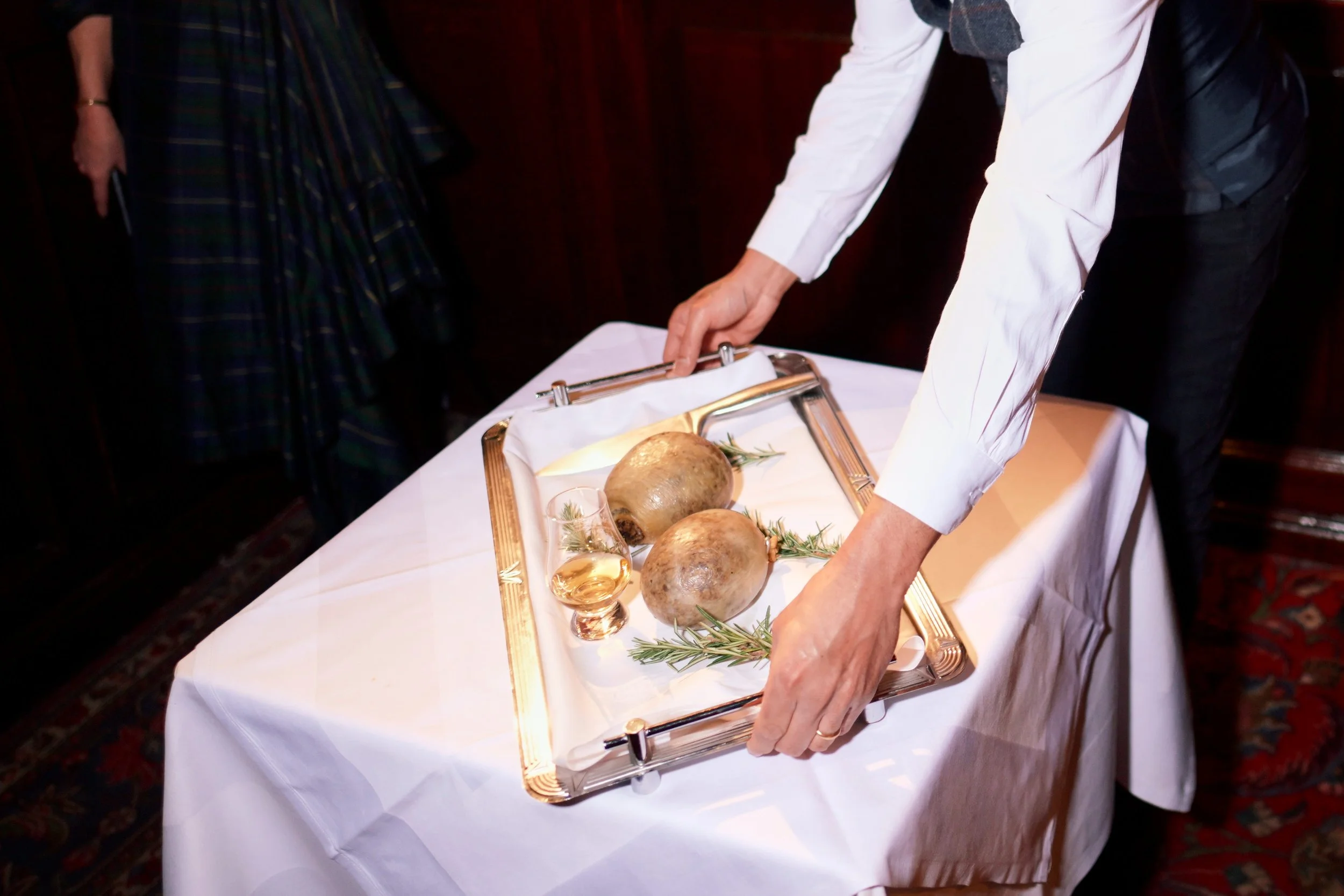
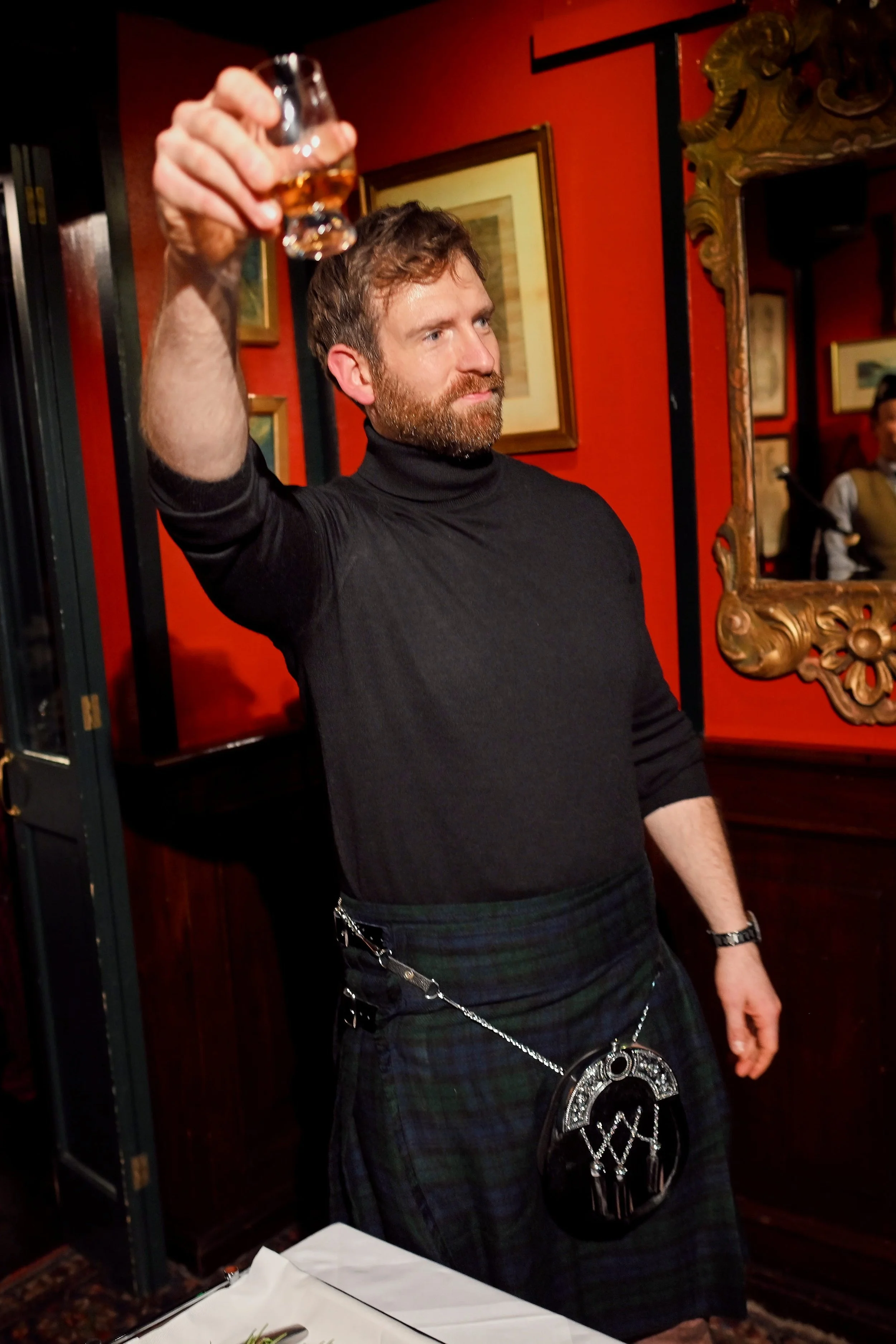
Guests were welcomed by a traditional bagpiper, who later returned to ceremoniously usher in the haggis. Actor Craig McGinlay, having travelled from Gleneagles and dressed in a kilt made especially for him by a fan, and styled with his own wardrobe, delivered a stirring recital of Robert Burns’ Address to a Haggis.
What a fantastic evening to celebrate the secondhand economy, Scottish heritage and our exciting partnership with The Fashion People at our Burns night event at Boisdale, Belgravia. Bringing such brilliant minds together in such a special setting made it truly memorable - and when the bagpipes began, it felt unmistakably magical.
5 Questions With The Fashion People by Meg Pirie.
Within the last decade fashion resale has gone from hit-or-miss listings to become an offering that most brands are rushing to take advantage of. While the circular economy is nothing new, there is an awakening by brands to the long-term value of their products. Slightly ahead of that curve are The Fashion People. Founder and CEO, Dias Nurlanov, saw a gap in the market while launching Garderob in Asia back in 2022, now the leading resale platform in Central Asia, with over 250,000 users. While scaling Garderob, it became evident that resale was growing exponentially, but that brands were largely excluded from the value created from their products. Thus the idea for a full-service resale platform, offering brands an easy and profitable way to participate in the circular economy was born.
As we head into 2026, predictions are that more brands will embed trade-in and resale as the norm, particularly as the global resale market is projected to double in the next few years, with projected growth estimated to reach $360 billion by 2030. This isn’t just about growth, it’s about standardising resale.
We sit down with The Fashion People and hear more about their inception, resale opportunities and how policymakers can simplify the inevitability of resale.
Can you tell us more about your brand’s inception? You launched Garderob in Central Asia - was this an initial pilot? How did The Fashion People come about and what gap does this fill?
The Fashion People is an Estonia-based company building resale infrastructure for fashion brands across Europe and the UK. Prior to The Fashion People, our Founder and CEO, Dias Nurlanov, launched Garderob in 2022, which has since become the largest and fastest-growing resale marketplace in Central Asia, continuing to scale rapidly.
While scaling Garderob, we saw a clear pattern: resale was growing 2–3 times faster than retail, yet brands were largely excluded from the value created around their own products. Most resale activity was happening on external marketplaces, with no revenue, data, or customer relationship flowing back to the brand.
The Fashion People was created to solve that problem specifically for brands: enabling them to launch their own branded resale marketplaces, powered by the same infrastructure and operational learnings we built and refined through Garderob.
In short, Garderob is a live, growing marketplace, and The Fashion People is the brand-facing infrastructure layer built from that real-world experience.
The resale market has grown exponentially within the last few years, but this has been a hard place for brands to navigate. How do you work in this space for brands?
Resale is strategically important, but operationally heavy. Brands struggle with platform development, moderation and trust, payments and logistics, customer support, and internal resourcing.
We remove that friction entirely.
Brands plug into our platform, and we handle:
marketplace technology,
order management,
customer support,
payments and payouts,
resale governance and standards.
Importantly, brands retain control over brand presentation, listing rules, pricing guidance, and customer relationships without needing to build a new internal team.
Resale becomes a revenue and loyalty channel, not a distraction. We enable brands to grow resale into a 10–15% revenue channel, without adding operational complexity.
What brands are you currently working with?
We currently work with fashion brands across Europe, planning to onboard 200 brands by the end of 2026.
In practice, this structure allows brands to reach positive ROI quickly. For example, one of our clients, Paterns, sold through eight-year-old stock and covered platform costs within the first two weeks, all while creating a repeat purchase loop through store credit.
What opportunities do you foresee for resale in the future? Where do you see your brand in the next 5 years?
We see resale becoming a standard layer of fashion commerce, not a niche or sustainability initiative.
In the next few years, our goal is to become the leading resale infrastructure provider for fashion brands in Europe — enabling brands to retain value, improve margins, and keep products circulating within their own ecosystems rather than losing them to third-party platforms.
With Digital Product Passport (DPP) regulations accelerating the need for traceability, resale has become the most practical way for brands to transform compliance requirements into a new revenue stream.
Is there anything that policy can do to support resale better?
Resale is often treated as a side project rather than as a core part of the fashion value chain. Policies that recognise resale as a legitimate circular business model would lower friction for brands and accelerate adoption.
In the next five years, we expect:
resale to sit alongside e-commerce as a standard channel,
stronger links between resale and customer loyalty,
greater regulatory clarity around reuse vs recycling,
cross-border resale becoming the norm rather than the exception.
The Fashion People’s ambition is to become the default resale infrastructure for European fashion brands, enabling profitable circularity at scale without requiring brands to rebuild their businesses from scratch.