
Press releases
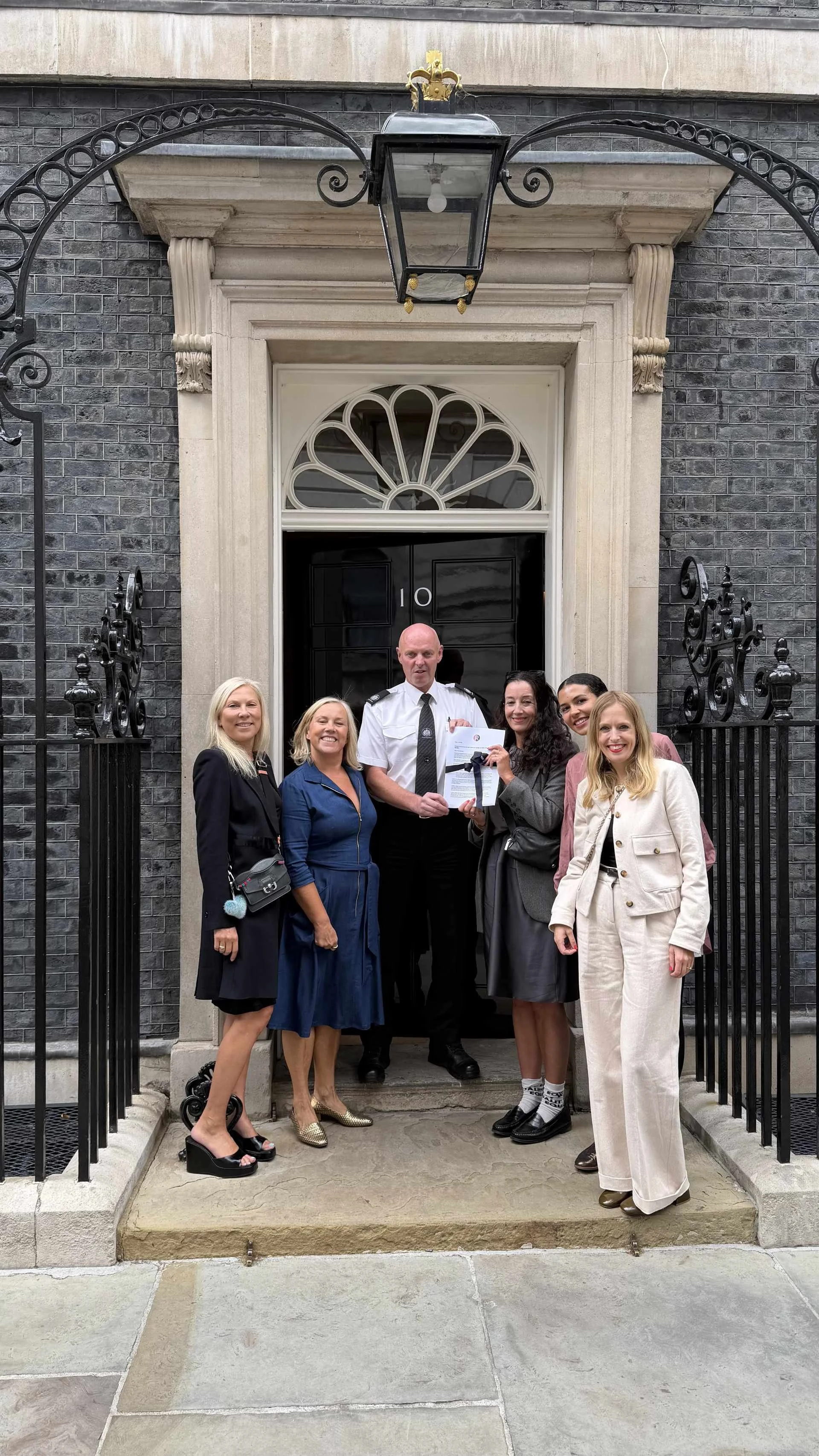


As the election period is nearing its conclusion, I wanted to provide you with pivotal insights from our latest report, "Fashion & Economic Value Report 2024." This report underscores the significant contributions and future potential of the UK fashion sector and outlines critical recommendations for driving sustainability, inclusivity, and economic resilience within the industry.
Report cover: Design by www.studiobyfarr.co.uk

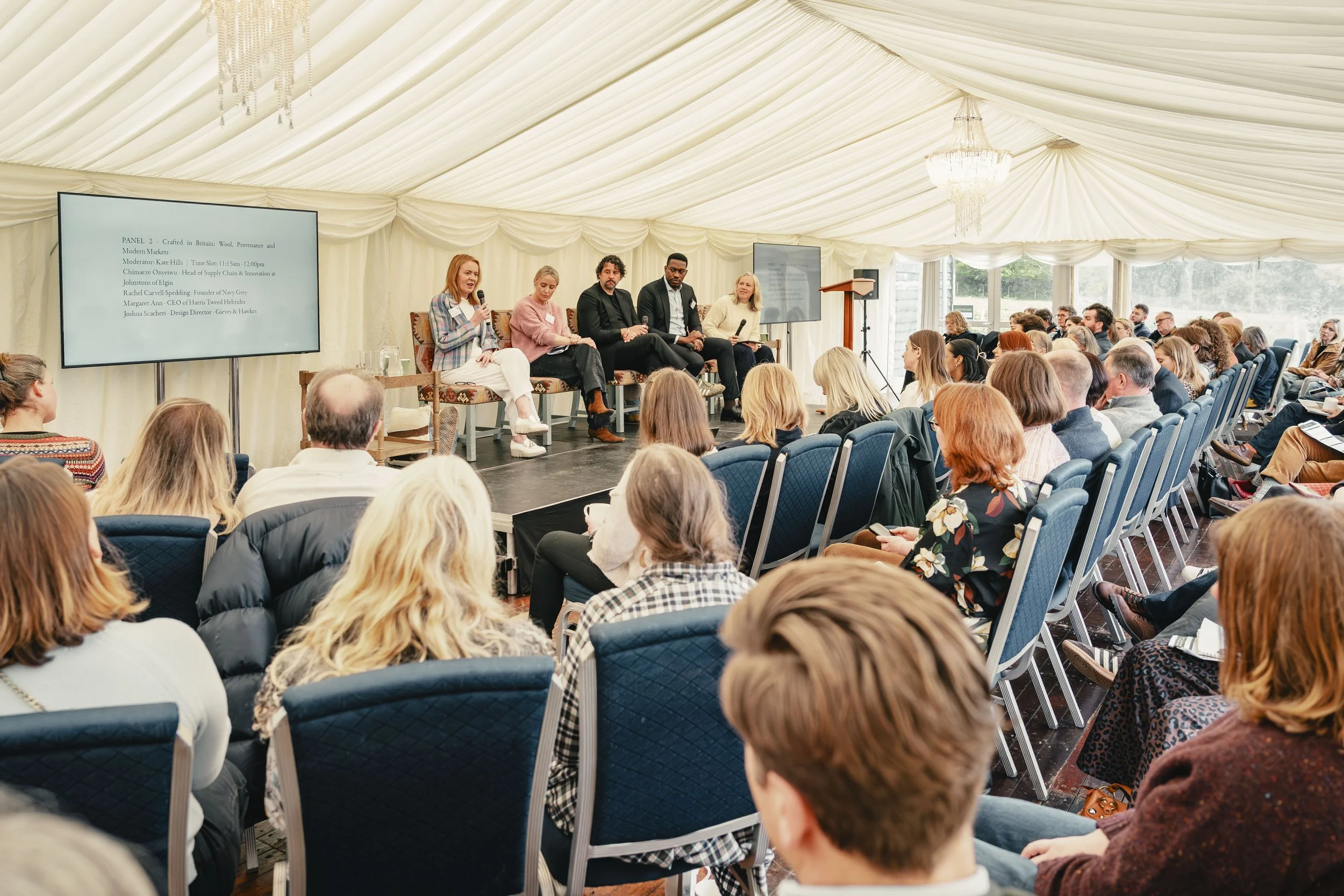
On the 22nd February 2024, Fashion Roundtable as Secretariat of the Ethics and Sustainability in Fashion All-Party Parliamentary Group delivered their sector vision for the fashion, textiles, manufacturing and retail industries to leading figures in the sector.
John McNally MP and Fashion Roundtable’s CEO, Tamara Cincik, chaired a poignant panel discussion about the future of the sector. Panellists included, Junior Bishop – a Zebedee Model and Advocate for Minority Groups; Clare Press – Fashion Roundtable’s Global Sustainability Expert, Author and Podcast Host of the Wardrobe Crisis; Julia Roebuck – Volunteer Director of Thread Republic (Mend Assembly Affiliate); Maria Chenoweth – Co-founder of Charity Super.Mkt; Dominique Muller from Labour Behind the Label.
Talking points encompassed representation and inclusion; the effects of Artificial Intelligence on the modelling sector; the Creative Wellbeing Economy; Clare Press’s research on reimagining the sector; social prescribing and third-sector initiatives; the purposeful use of vacant spaces with the example of Charity Super.Mkt and worker rights.

On the 31st January 2024, Fashion Roundtable along with Make it British, hosted an industry-focused roundtable discussion with Baroness Jane Bonham-Carter – the Liberal Democrat Lords Spokesperson for Culture Media and Sport, as well as the Liberal Democrat Creative Network and the Liberal Democrat DCMS Parliamentary Group.
The purpose of the roundtable was to discuss the main challenges that post-Brexit agreements were posing to the British fashion sector, providing an opportunity for the top-line issues of Brexit to be heard.

On the 30th January 2024, Fashion Roundtable, along with Shadow Minister for Creative Industries and Digital, Sir Chris Bryant, hosted a roundtable with the Parliamentary Labour Party where industry leaders outlined the opportunities and challenges faced by the British fashion sector.

On the 17th May 2023, Fashion Roundtable, along with Shadow Minister Stephanie Peacock MP, hosted a meeting with the Parliamentary Labour Party where industry leaders outlined the dire need for urgent action for the British fashion sector, which was at one time the fastest growing creative industry in the United Kingdom.

Last week, in our capacity as Secretariat for the All-Party Parliamentary Group (APPG) for Ethics and Sustainability in Fashion, Fashion Roundtable hosted a jam-packed meeting on regenerating the high street, sponsored by academics from Manchester Metropolitan University and Metropolis.
The meeting entitled, ‘Building Community Agency Through The Purposeful Use Of Unused Retail Spaces,’ was in direct response to the state of our high streets at a national level. Research conducted by Fashion Roundtable, provided evidence that the Covid-19 pandemic, Brexit, shifts to digital rather than ‘bricks and mortar’ shopping, and the ongoing cost-of-living crisis have changed consumer behaviour, alongside record retail closures.
A must-read, with quotes from speakers across the country and access to our full briefing.

Cleaning Up Fashion examines how the Government and other supportive actors can help amplify sustainability in action, recognising and supporting the work of pioneers and putting an end to exploitation and environmental harm. The report offers clear, evidence-based recommendations that deal with the causes and symptoms of a sector with massive market responsibility, that clothes us all and is global in its economic, environmental and social significance. The ESF APPG hosted a number of parliamentary evidence sessions exploring the issues, as well as conducting a survey with over 110 respondents ranging from business leaders to consumers.

Eden Loweth, Creative Director Art School: “This important paper highlighting and dissecting the impact of Brexit to our industry is a vital next step in recommending and realising real and important change within government policy. The effects of Brexit to emerging and small businesses like myself has been huge; Fashion Roundtable’s dynamic and fast response in highlighting these issues once again shows how important their work is to our industry.”

Alice Temperley, Designer: “For the government to come back with this, they are hiding, they are cowards. The government likes to entertain us during fashion week when we are all invited to 10 Downing Street to meet the prime minister. But now the government isn’t here to help, there is no voice, there is no guidance and there is no clarity on the situation. No one is talking about the fashion industry.”

Sarah Reygate, Make-Up Artist for the Fashion and Music Industry: “As with many of my colleagues, my work has been deeply impacted by the pandemic. A lot of work comes from Paris. If I now have to organise work contracts and visas for each trip I am likely to lose that work to local based talent in Paris. The Government needs to commit to frictionless work travel for all creatives for the UK based fashion and music industry to continue to be a world leading industry.”

Helen Brocklebank, CEO, Walpole: “Prior to the pandemic, the British luxury sector was in rude health with a value of £48bn to the UK economy and strong annual growth of nearly 10%. Very much a British success story, the sector supported more than 160,000 jobs throughout the UK. However, international visitors to the UK are a crucial revenue driver, and the last 11 months has put severe pressure on their businesses. On top of the pandemic, the eleventh hour Brexit deal has compounded the sector's problems, making chances of swift recovery for British luxury recede compared to their European counterparts. With 42% of all British luxury export sales coming from the EU, the costs and administrative burdens of trading in continental Europe mean many of our members, not least the SME's, have concluded they simply can’t afford to continue selling to those countries.

Fashion Roundtable is pleased to announce that we have started our Front Row To Front Bench social media takeover of the SHOWstudio Instagram account, running from Tuesday 1st December - Monday 7th December, for 7 days with 7 themes.

We have compiled a selection of recent articles about Fashion Roundtable’s involvement in securing masks and personal protective clothing (PPE) for frontline staff during the COVID-19 crisis— from British Vogue to Drapers and The Telegraph.

Since the outbreak of Covid-19, Fashion Roundtable have been pursuing PPE solutions within the industry, ensuring industry workers are protected, lobbying for pay parity for fashion industry workers, and facilitating other initiatives.

Marc Jacobs on Karen Binns: "I've known Karen both personally and professionally for over two decades. Her boundless energy and enthusiasm for fashion is always a great and welcome inspiration to me. Her soaring, distinct vision and her insightful unique interpretation of 'what is ' and 'what will be' makes her a truly rare and exceptional voice in the fashion universe."

"When we launched Fashion Roundtable the majority of politicians I spoke to thought the industry was just Kate Moss & catwalk shows and were more concerned about fisheries than fashion” Cincik says.“However after contacting each of the 650 MPs highlighting the reality of the UK Fashion Industry’s valuable contribution - generating over 890,000 jobs, nationwide and thousands of jobs and revenue to each of their constituencies - we're now seeing politicians from across the parties, uniting to ensure that our industry maintains its status as a global soft power leader for the economy.”

“I am thrilled to be bringing a Fashion Roundtable event to the magical new The Shop at Bluebird in Floral Street. It’s a beautiful store, celebrating great fashion and style with a witty approach. Like many fashionistas, I worked hard to get a seat on the Front Row at catwalk shows; but what is also relevant is what we can do with that voice once we have achieved that influence. It’s one thing getting there, it’s another using it. That’s why I am so pleased to have these incredible speakers on board, all of whom have used their platforms to promote positive change. Am excited to share this event with you!”

Tamara Cincik CEO and Founder of Fashion Roundtable said: "The work we do as the secretariat of the APPG for Textiles and Fashion goes to the heart of the work that Fashion Roundtable set out to achieve when we launched last November. It brings the worlds of fashion and politics into the Houses of Parliament, to better understand and work together. The meeting on the 16th May will be a fantastic opportunity for us to highlight the opportunities for the UK to trade across the Commonwealth, where growth and consumer demand for Made in Britain fashion has never been greater."
Eszter Kantor, Fashion Roundtable's EU Politics Expert said: "For me, one of the interesting things is that there are no texts in brackets; meaning that there are no counter proposals for certain paragraphs. They are either accepted, not accepted or being clarified on a technical level. Normally parties bring their own solutions and suggestions and I am missing the suggestions from the UK`s side. I can see that citizens` rights has been agreed upon; so everyone can come and go and take residence until the end of 2020. Goods traded without tariffs, IP rights already earned stay as now, access to public procurement except for the non-discrimination part is agreed, UK payment to the EU is agreed."

UK fashion talent are the global leaders in this market: go to any fashion house or high street brand HQ across the world and you will meet Creative Directors, designers and CEOs from the UK. At the freelance end of the spectrum – itself a growing and vital part of our economy – many of our UK domicile talent travel weekly across numerous territories, but pay their tax here. Make their lives or international reputation in anyway lessened by poorly conceived Brexit and transition plans, and many of those talents will relocated, taking their taxes and creative brilliance with them.

For an industry, which conservative estimates say voted 95% Remain, the need for dialogue around Brexit and the potential impacts to the fashion sector are clear.
A sector based on global trade and talent, with creative exchange and international travel at the heart of it's business model: how does it survive and indeed thrive through the upcoming UK and EU trade deals, as they begin in earnest next month in Brussels?