
Front Row to Front Bench

















2025

















2024


















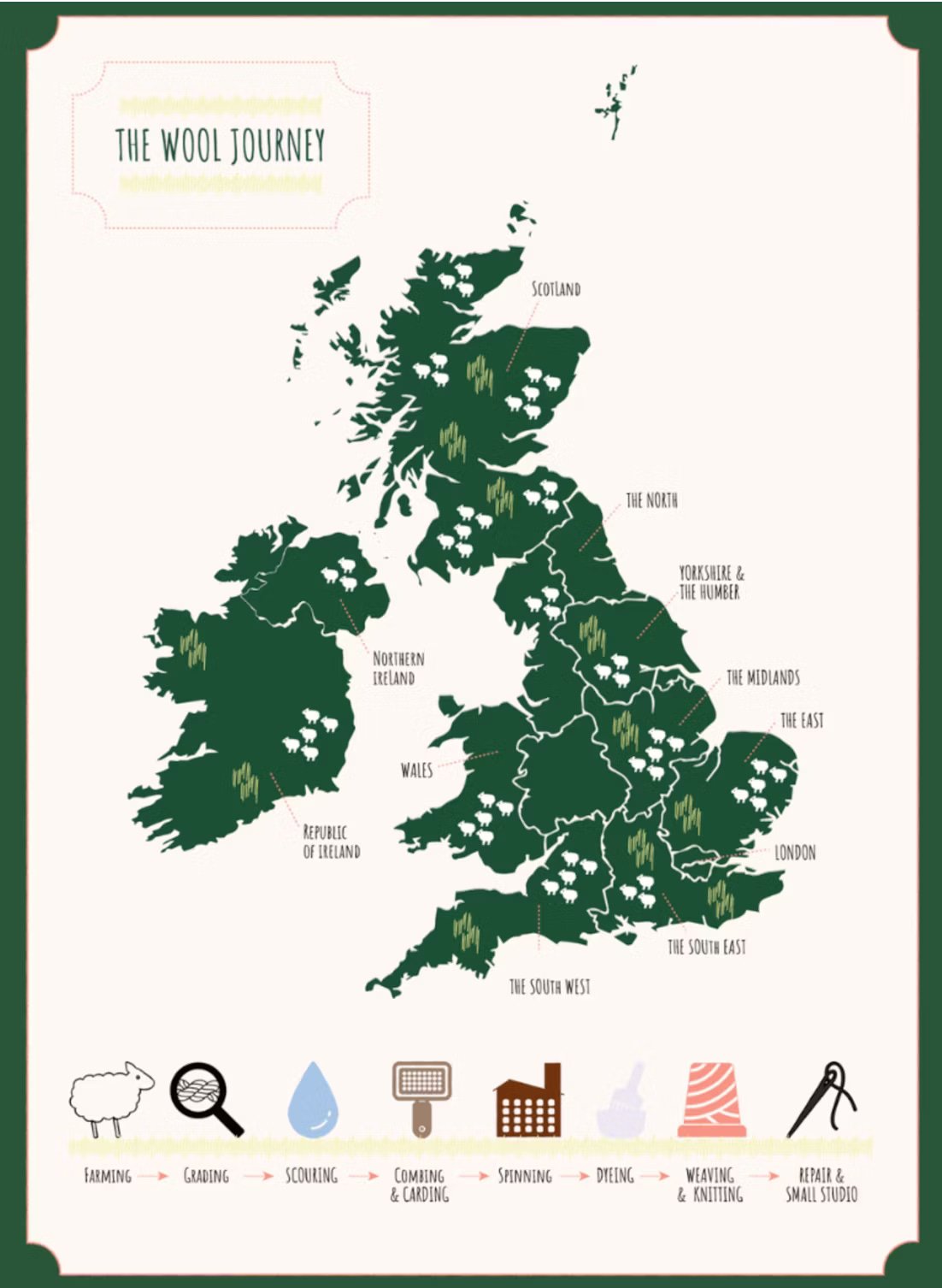
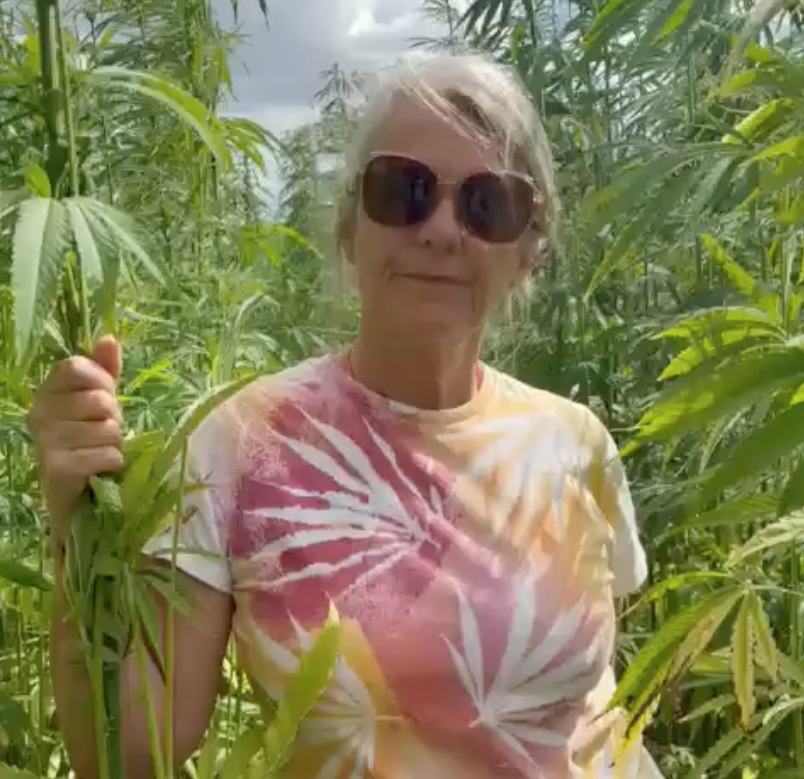
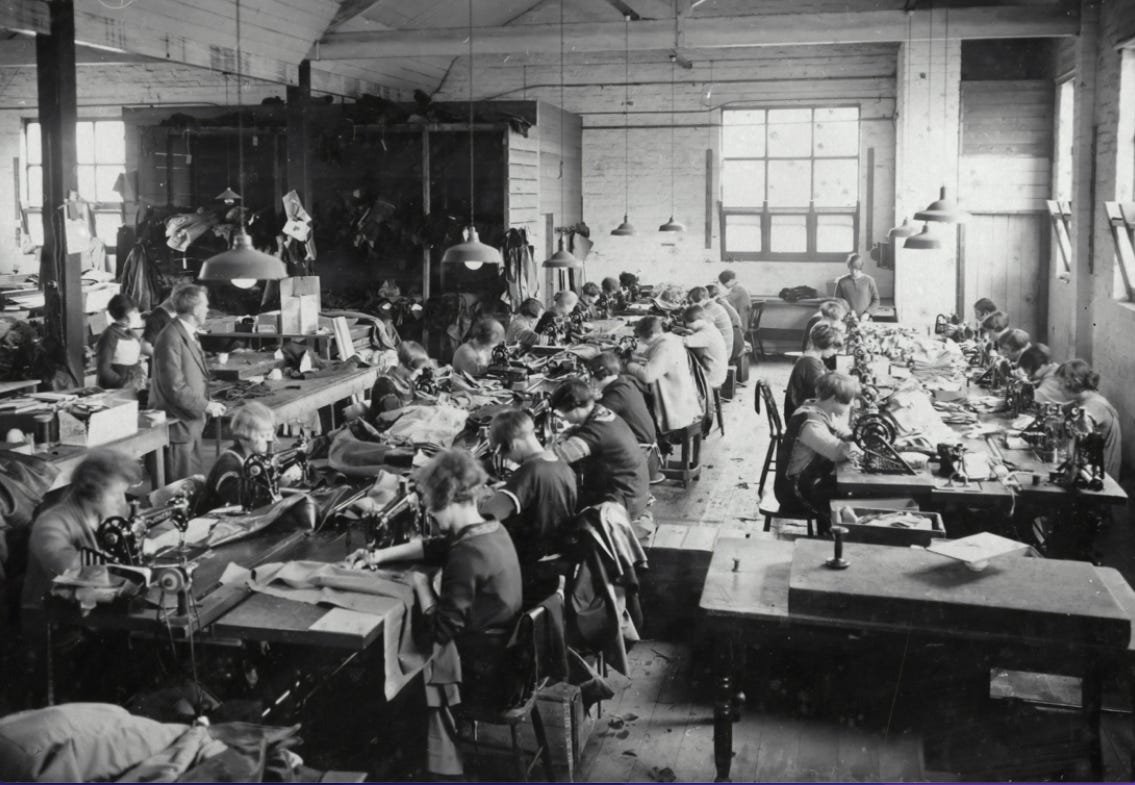
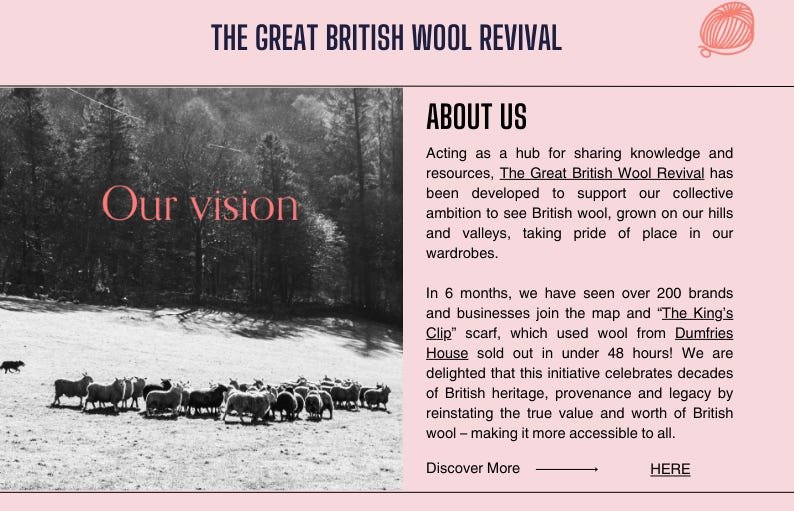
As a follow on from the pilot launch of Fashion Roundtable’s wool programme in 2022, after vast amounts of qualitative and quantitative research and conversations with key stakeholders came the launch of The Great British Wool Revival, an open source tool that connects farmers, designers, makers and industry together to join the dots and make traceable British wool more accessible in fashion supply chains from farm right through to final product.
Website design and art direction by www.studiobyfarr.co.uk


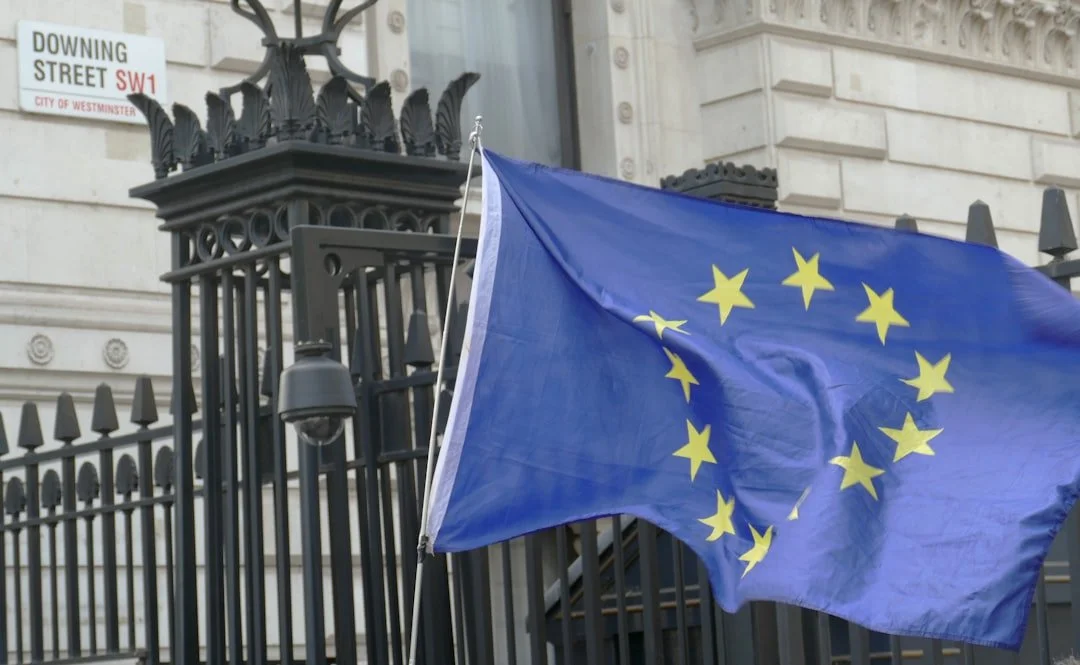


Tomorrow marks the announcement of the Spring Budget and what many anticipate to be the last fiscal event before the general election, which we’re pegging for Autumn. As such, this might be the final opportunity for the Conservatives to set policies prior to an election.
After collating both qualitative and quantitative data over recent months, in time to share our Sector Vision in Parliament, we have been advocating for a number of sector recommendations which we have presented cross-party.
Our recommendations encompass many facets of the sector from farming through to academia and are focused on the long-term, however there are two recommendations that we’d like to see taken up immediately in tomorrow’s budget.
Click through for more.
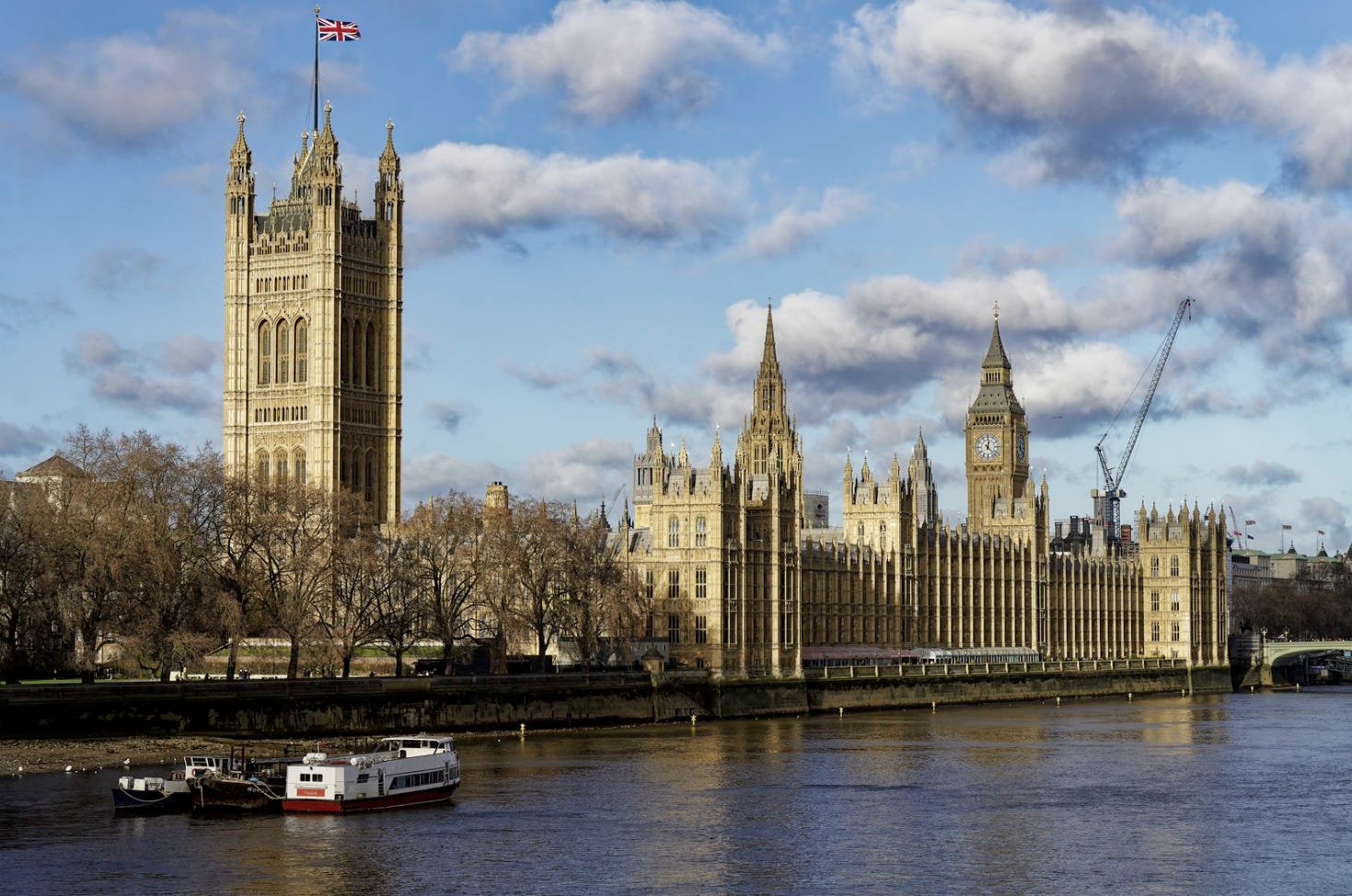
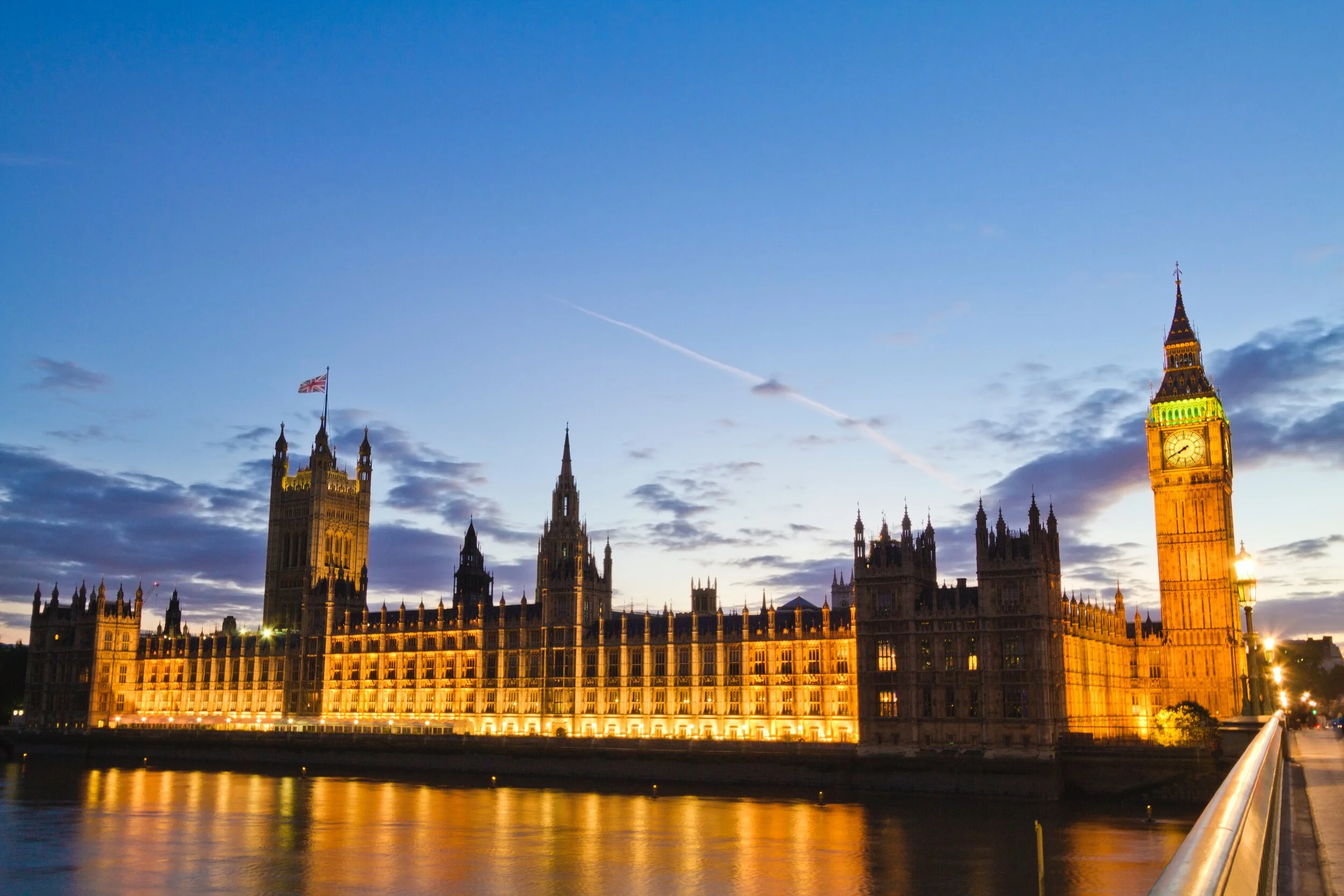
Photo: Photo by Ugur Akdemir on Unsplash. Image of Westminster buildings.

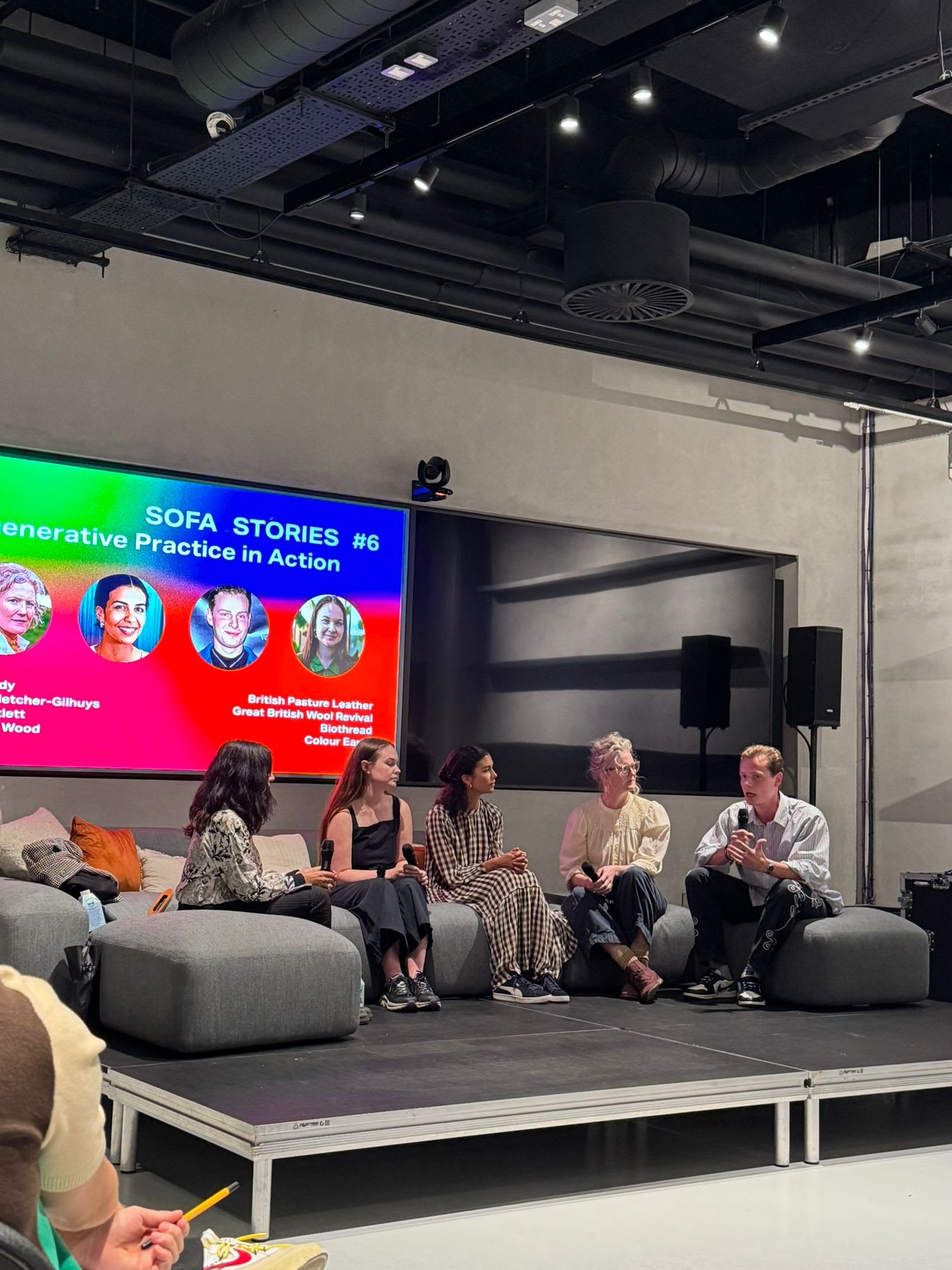
Designer Harriet Fletcher-Gilhuys attended last week’s Conduit event: ‘Is Regenerative Fashion Possible?’ supported by the Farmer’s Footprint. Here she delves into the complexities and explores the panellists discussion exploring the transition to a fashion system that ultimately sets out to benefit nature and society.
Photo by Zoe Schaeffer on Unsplash. Image shows farmer at work.

Amanda Slattery has been in the fashion business for 18 years, yet this year will mark her last year in bricks and mortar retail. During this time as a small business owner, Amanda has manoeuvred and endured her way through recessions, the rise of fast fashion, the ‘near’ death of the high street, a pandemic and Brexit.
What follows is a candid conversation about why Amanda is leaving the industry on her terms and what lies ahead.

After holding two key roundtables last week, we discuss one of the key findings being the effect of the end to the UK’s VAT Retail Export Scheme.
The unilateral decisions by the UK Government to end the lucrative VAT Retail Export Scheme, which Sylvie Freund-Pickavance cited as having the potential to generate £10bn in terms of sales, hospitality and tourism, was cited as a missed opportunity. This is something that Fashion Roundtable have been consistently lobbying on.
Click through for more.

Disability advocate Victoria Jenkins, the creative force behind adaptive fashion brand Unhidden and Fashion Roundtable’s Representation and Inclusion Committee Co-Chair, has announced a transformative collaboration with icandance, a London-based charity that empowers disabled children and young people through dance and performance.
Victoria has over 14 years of experience in the fashion industry and starred on Channel 4’s Unique Boutique – a must-watch where inclusive fashion lovers and designers created bespoke outfits for every-body. Now, the visionary designer has created a bespoke ballet costume for 18-year-old wheelchair-using dancer, Denecia Allen. Denecia will wear the dress to perform with English National Ballet’s Alice Bellini at the Empower In Motion Gala at Sadler’s Wells in February.

Some of you may know Clare Press as the bestselling author of the Wardrobe Crisis, or the presenter of the much-loved podcast of the same name. Others remember her as the first ever VOGUE Sustainability Editor for Vogue Australia back in 2018. To us, Clare is best-known as our vibrant and seriously knowledgeable Global Sustainability Expert.
Clare introduces us to fascinating innovators around the globe who are redesigning fashion from the ground up, and changing it in the most fundamental ways.
Click through for more.

Thriving in a sustainable future means that brands must navigate this changing terrain and take into account these legislations in forecasting and future business strategies. Perhaps poignantly, scrutiny will not only come from governments and regulators, but also stakeholders, consumers and competitor brands, as we collectively move from climate targets to climate transitional plans.
In her book, Reimagining Luxury, author Diana Verde Nieto offers practical frameworks and concrete examples for brands, through a holistic approach – covering topics such as sustainable investments; regenerative practices; legislation; environmental and social implications; as well as positive storytelling.

The start of a new year and already there are the familiar rumbles of a General Election. The feelings of general unrest seem to be growing, amidst a time of climate anxiety, global boiling, economic upheaval, and broken or overburdened support systems. Resulting in an increase in the polarity between surviving and thriving, with a lack of long-term strategy around our collective wellbeing.
Last year, we released our Creative Wellbeing Economy paper, where we made a case for a deeper, more long term reconnection with core values across the whole of our lives, with a particular focus being wellbeing for people and planet.
Read on for more.
Photo by Florian GIORGIO on Unsplash. Photo shows the Houses of Parliament.
2023

On Friday our CEO Tamara Cincik was invited to the King's Foundation Celebrating Craft at Highgrove House in Tetbury, for a Christmas event in the presence of His Majesty the King. The King's Foundation is a charity launched by the King as a vehicle to train the next generation of skilled craftspeople – including in fashion and textiles – in heritage techniques valuable to many traditional UK industries.
Read more.

Last night J W Anderson took home ‘Designer of the Year’ award at the British Fashion Council ‘Fashion Awards 2023.’
Of course Anderson wasn’t the only one to take home an award last night, Sarah Burton who took on the mantle after Alexander McQueen passed, was honoured with a special achievement award for her 13 years as Creative Director. She has left a very large gap in the role of women as Creative Directors in the fashion sector.
Sarah Mower was also awarded a special recognition award for championing young designer talent. Her dedication to New Gen talent in all forms has been game-changing for so many and something which Anderson acknowledged in his speech.
Finally, Editor-in-Chief of British Vogue, Edward Enninful OBE, received the Trailblazer Award for his contribution to the fashion industry.

Alice V Robinson is a designer based in London and is the co-founder of British Pasture Leather. Her journey began through the process of making a handbag, whilst studying her MA in Accessory Design at the Royal College of Art.
On realising the lack of connection between agriculture and fashion and the convoluted supply chain she was faced with, Alice embarked on a journey of extraordinary lengths to make a connection and discover the provenance story of British leather.
Provenance is often ubiquitous with food, but doesn’t always connect with fibre in the same way. In writing her book ‘Field Fork Fashion’ Alice purposefully makes this connection, whilst working at a smaller scale with regenerative farming practices.
Through this interview, Meg Pirie and Alice discovered many thematic similarities between Fashion Roundtable’s work on regenerating British wool and Alice’s discoveries while working with leather as a medium.

This week has been a whirlwind, and has seen our CEO, Tamara Cincik travel across the country – quite literally – from Manchester for a DCMS event with Secretary of State for Culture, Media and Sport – Lucy Frazer, and then on to Scotland and London.
In Scotland, Tamara attended Dumfries House and spoke at the King’s Foundation (formerly Prince’s Foundation) x the Fashion Council Germany conference entitled ‘Disruption’ which was this year supported by TENCEL™, eBay and The PVH Foundation. The King’s Foundation's Future Textiles initiative is designed to breathe new life into a renowned British textiles industry. Back to London, we then hosted one of our largest events on localism in Parliament, in our capacity as Secretariat of the Ethics and Sustainability All-Party Parliamentary Group. Click through for more.
Image shows our CEO Tamara Cincik in a red dress in a panel discussion at Dumfries House. Image credits Eleanor Kelly @mastrelli.media

The news of Pharrell William’s Louis Vuitton $1 million bag dubbed ‘Millionaire Speedy’ has gone viral.
Sold via a made-to-order basis, the newly released bag, replaces the generally used cotton canvas for crocodile leather, embellished with gold hardware and diamonds.
Pharrell was spotted at Paris Fashion Week recently donning a yellow version of the bag. Pharrell was appointed Creative Director in February 2023, and this direction nods to a louder trajectory than even the late Creative Director Virgil Abloh’s street influences for Louis Vuitton.
The press has been split since news of the bag surfaced, from excitement to criticism and offers an antithesis to ‘quiet luxury’, something which in fact might be labelled as ‘loud luxury’. Click through for more.
Photo by Julie Ricard on Unsplash. Image shows a brick wall with the message, ‘Until Debt, Tear Us Apart, graffiti on.

Last night an exposé by BBC Panorama aired probing the practices of fast-fashion giant Boohoo, who last year made a reported £1.7bn worth of sales. The majority of the filming occurred in their Manchester headquarters, where journalist Emma Lowther spent 10 weeks.
The evidence garnered showed increasing pressure to cut prices in order to save money and the unscrupulous practice of amending prices after the stock had already been made. Lowther exposed a number of occasions where suppliers were left out of pocket due to discounts being applied which were not initially agreed.
We unpick the evidence.

Zebedee is an inclusive talent agency, championing disabled, visibly different, non-binary, and trans UK models. Global names already signed by Zebedee include Ellie Goldstein, who recently made the cover of British Vogue and Jasroop Kaur Singh who appeared in the Australia Vogue ‘Vogue Vanguard’ issue.
Zebedee was established by co-founders Laura and Zoe in 2017 as a direct response to the lack of representation and inclusivity in the media. Now Channel 4 has created an insightful documentary series with the working title, ‘New Model Agency’ which follows Zebedee HQ and many of their diverse and dynamic cast of models. The documentary will air in February 2024 around London Fashion Week – so watch this space!
Meg Pirie speaks with co-founder Laura Winson who also sits on our Representation and Inclusion Committee. They talk about the progress Laura feels has been made in the fashion sector; what still needs to happen; and the spending power of disabled people – which is thought to be around £280 billion pounds every year in the UK alone and £1.3 trillion worldwide; and the fact that if brands don’t get on board, they’ll soon be left behind.

Nicholas Diamond-Krendel, co-founder of Luxury Leather Goods Brand Paradise Row reviews Fashion City - the latest exhibition at the Museum of London Docklands, which is about how Jewish Londoners shaped global style. In the process, Nick connects to the precious oral testimony of what will be the last generation to have known these brands first hand. Unlike so many of their family members left behind, the likes of Sophie Rabin, Netty Spiegel, Peggy Lewis, Otto Lucas and so many more will now be given their rightful place alongside more familiar names in the annals of British fashion.
Tomorrow marks the announcement of the Spring Budget and what many anticipate to be the last fiscal event before the general election, which we’re pegging for Autumn. As such, this might be the final opportunity for the Conservatives to set policies prior to an election.
After collating both qualitative and quantitative data over recent months, in time to share our Sector Vision in Parliament, we have been advocating for a number of sector recommendations which we have presented cross-party.
Our recommendations encompass many facets of the sector from farming through to academia and are focused on the long-term, however there are two recommendations that we’d like to see taken up immediately in tomorrow’s budget.
Click through for more.
Photo: Photo by Ugur Akdemir on Unsplash. Image of Westminster buildings.
Designer Harriet Fletcher-Gilhuys attended last week’s Conduit event: ‘Is Regenerative Fashion Possible?’ supported by the Farmer’s Footprint. Here she delves into the complexities and explores the panellists discussion exploring the transition to a fashion system that ultimately sets out to benefit nature and society.
Photo by Zoe Schaeffer on Unsplash. Image shows farmer at work.

Meg Pirie in conversation with Victoria Jenkins.
Victoria Jenkins co-chairs our Representation and Inclusion Committee and is a garment technologist with 14 years of experience in the fashion industry who became Disabled in her 20s. She is behind the sustainable adaptive fashion brand Unhidden. The idea was born after a chance encounter with a woman with cancer that changed the course of her life. As she watched the woman during her own hospital stay, she realised that there were no adaptive clothes on the market and this is how Unhidden was born.
Now Victoria is listed as one of Vogue’s Top 25 Powerhouse Women, redefining Britain and co-presents and designs on Channel 4’s Unique Boutique. A must-watch where inclusive fashion lovers and designers create bespoke outfits for every-body in a custom-built shop.
We speak about future plans for a not-for-profit arm of Unhidden, training people with disabilities and chronic health conditions how to sew adaptive alterations so they can then work as and when they choose making adaptive alterations for any one who doesn't sew. There are also plans for workshops that will cover how to adapt clothing you already own yourself so there is no barrier to accessing adaptive clothing and re-loving your existing wardrobes.
Finally, Victoria shares her key policy asks to ultimately make fashion more inclusive.
[This is an image of Victoria Jenkins, wearing a royal blue power suit, standing in the street, with a sparkly mobility aid. Credit: Deb Burrows]

According to figures by Fashion United, the fashion industry is worth around £1.65tn globally. Creativity is often upheld as a niche human quality, however, the rise in the use of artificial intelligence (AI), risks eliminating a number of creative and fashion jobs. A paper prepared by PwC for the Department for Business, Energy and Industrial Strategy, predicts that technology threatens devastating job losses over the next 20 years in wholesale and retail; transport and logistics; and manufacturing. The report suggests that as many as 30% of UK jobs could disappear within this period. A high-level exploration of how AI is and could affect the fashion sector moving forward.

Stephen Jones is perhaps one of the most influential milliners of our century, bursting onto the London fashion scene during the explosion of street style in the late seventies. Yet even today, Jones’s designs have retained their modern and compelling edge. At the forefront of fashion, Jones’ hats are exquisitely crafted and quixotic – all whilst encapsulating the mood of the moment. Jones’ latest collection could not have come at a better time, where young people are reportedly leaving Wales, particularly in Welsh speaking heartlands, this collection offers hope. Entitled ‘Cymru’ and cited as a ‘love letter to Wales’ I delve further into the haunting magic of this collection – from the reimagined Welsh ‘Het’ to the use of Dylan Thomas poetry – ensuing a sense of strength and pride in Jones’ Welsh heritage.

Gerwig is by definition a feminist filmmaker and her characters are often transgressive and curious, rebelling against their suppressive environments (think Jo March!). Barbie is no exception. While it’s important to recognise that Mattel’s 60-year-old flagship doll has had a long and controversial history and in the past has been blamed for its unrealistic beauty standards, the propensity of the film exists to raise women, well, up. In this Op-Ed Meg Pirie explores the issue of fast-fashion brands capitalising on a feminist film and how this pummels the film’s entire meaning.
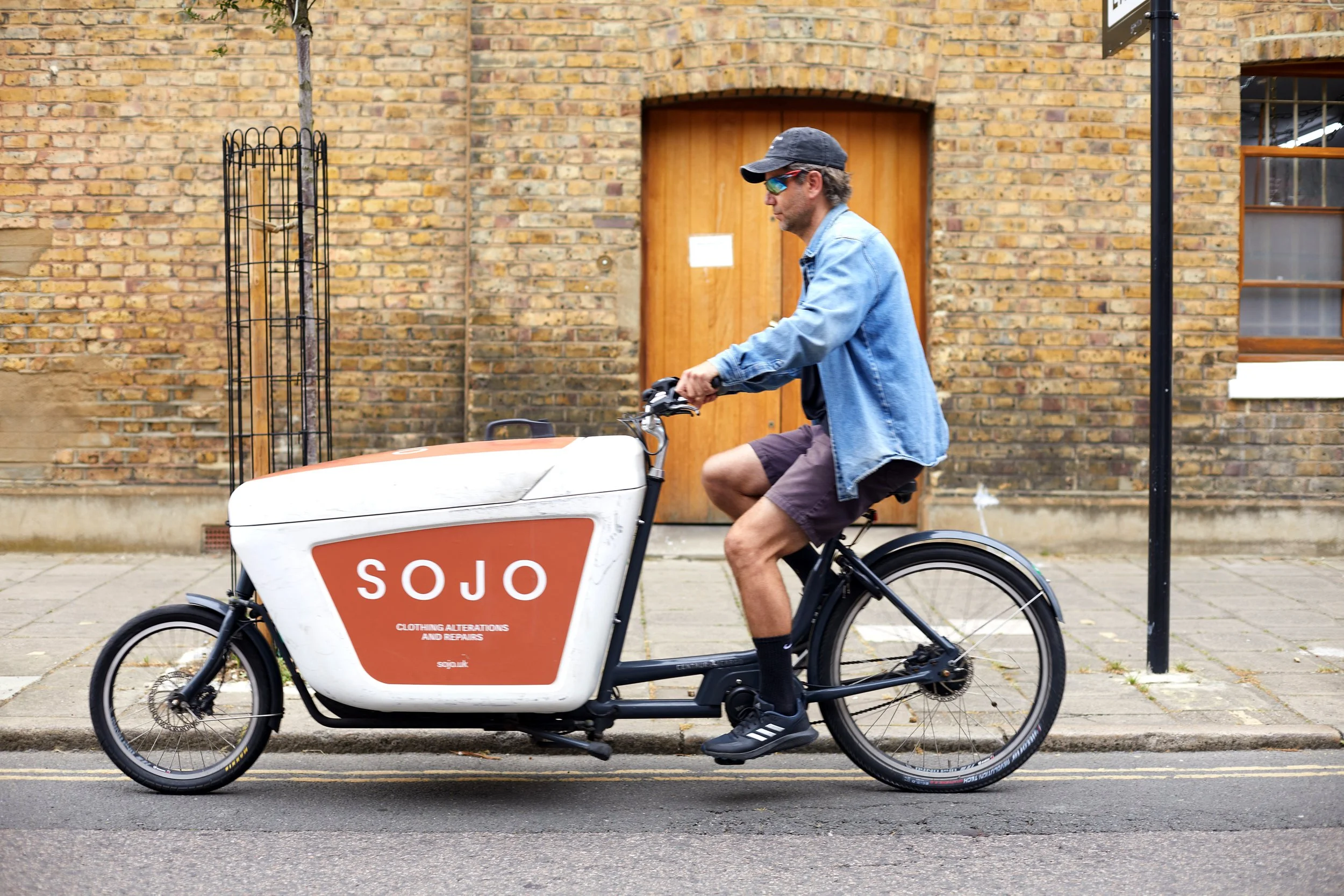
Last week, womenswear brand Mother of Pearl announced it would be joining forces with door-to-door repair and tailoring app SOJO, as part of the brands ongoing commitment to circularity. We hear from both women CEO’s on the collaboration and share a special offer for our newsletter subscribers.

A new Playbook by the UN Environment Programme (UNEP) talks directly with fashion’s communicators. Written for marketers, brand managers, imagemakers, storytellers, media, influencers and beyond, ‘The Sustainable Fashion Communication Playbook’ from UNEP and UN Climate Change, provides a much needed framework when policies around how to communicate environmental claims increasingly come into force. We speak with Rachel Arthur, the UN Environment Programme’s Sustainable Fashion Advocacy Lead and author of the Playbook, who delves into the aim of the Playbook and the untapped power communicators hold in setting new cultural trends and value shifts for a more equitable and just fashion future.
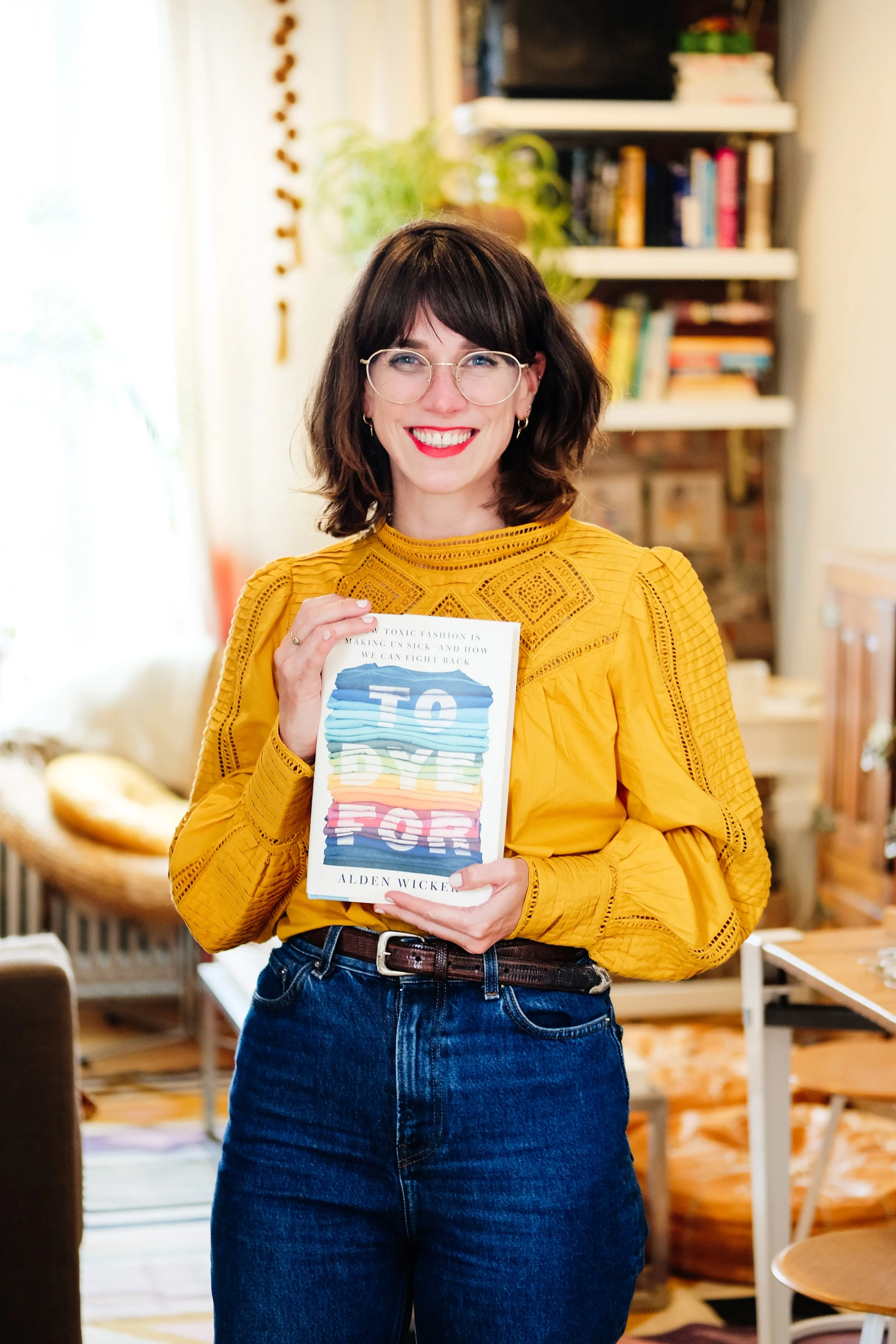
In her book, ‘To Dye For’, award-winning journalist and sustainability expert, Alden Wicker, decided to break the story of unregulated toxic chemicals in fashion and their impacts on health and wellbeing. What follows is a candid conversation, with clear advice on what we can do now.

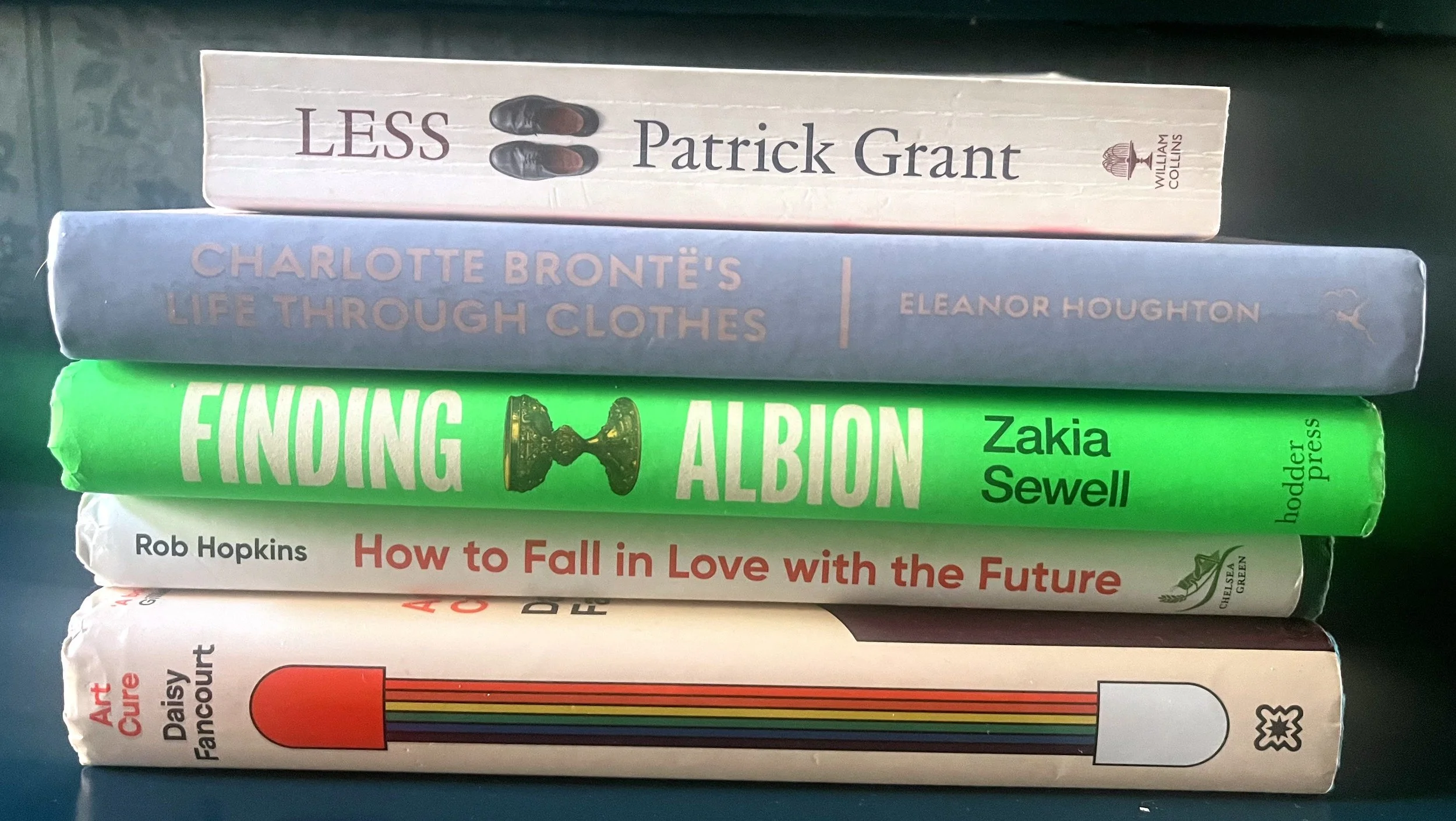
Our researcher, Meg Pirie, has always loved to read and will often read a book to understand something better, before searching online. For this week’s informer she shares her top 5 books on sustainability and fashion. Click through to read more.

Last week, Fashion Roundtable attended the Trade Unlocked conference. This was a brand new national conference that took place on the 20th June 2023, bridging the gap between the worlds of business and politics. Trade Unlocked created a high-profile platform for businesses of all sizes and from all sectors to give views on what they need from the UK government to get their business and the economy growing. Click through to read more and watch the full panel talk featuring our CEO Tamara Cincik.

The Department for Culture, Media and Sport (DCMS) announced the Government's plan to grow the creative industries by £50bn and support a million more jobs by 2030, with £77m of new funding for the sector announced.

Meg Pirie is in conversation with co-founder of Sole Responsibility, Simon Payne. Founded in 2014, Sole Responsibility is a business which buys, repairs and sells seconds and stock with minor damage from some of the UK’s most-known high-street stores, which would otherwise have been destined for landfill or incineration. Now the brand acts as Sustainable Partner to JD Sports, amongst others. They talk how the idea transpired and what Payne would like to see from a policy point of view for end-of-life.

In this Op-Ed by Meg Pirie, she delves into what the fashion sector can learn from Westwood’s fearless activism. Can the business of fashion ever truly measure up? With comments by Kate Fletcher, Professor at the Royal Danish Academy in Copenhagen.
Last week, we launched our Impact Report for 2022. Fashion Roundtable have consistently been the first to address the challenges of Brexit; Covid-19; climate change; exploitative working practices; Extended Producer Responsibility (EPR); VAT reduction for sustainable businesses; issues around fibre and localism; and inclusion in fashion. We use our platform to highlight inequalities across the fashion industry and to effect long-lasting social, business and environmental change.

“There's no doubt that the British High Street has taken a battering over the last few years. Not only have retailers had to contend with Covid, but Brexit and now the ongoing cost-of-living crisis have decimated the high street as we know it. In 2021, PWC reported that 17,500 chain stores closed in 2020 alone. Now with many high streets focused on recovery, consumers want something new. “

Ahead of Their Majesties' Coronation on Saturday the 6th May, new details have been released to provide a glimpse of the Coronation Robes to be worn by the King and The Queen Consort. The new images show the Royal School of Needlework’s embroidery team conserving The King’s Robe of State, which will be worn by His Majesty on arrival at Westminster Abbey, and The Queen Consort’s Robe of Estate, which will be worn after Her Majesty is crowned, on departure from Westminster Abbey.

This Sunday, protestors gathered outside a number of fashion stores on Oxford Street, in a 'Cost of Fashion' walking tour, to commemorate the 10th Anniversary of the Rana Plaza factory collapse and to honour the lives of the 1138 garment workers who were killed. We hear from some of the members of the Rana Plaza Solidarity Collective and discuss our Cleaning Up Fashion Report.

Over the last two years, The Helena Kennedy Centre within Sheffield Hallam University has been at the forefront of exposing corporate and financial institution complicity in the crisis in the Uyghur Region and identifying the risk that crisis poses to our international supply chains. Now they have launched a series of issue briefs and supply chain updates. The series is intended to keep everyone up to date on what is happening in the Uyghur Region and to help us all understand a bit better how supply chains are changing in response to the crisis. We share this and our work in this area through our ‘Cleaning Up Fashion Report.’

For this week's Informer,, we spent some time with Lottie Jackson who was up until recently Fashion Roundtable's newsletter editor. Now Lottie has published her first book with Penguin and we couldn't be prouder. See Me Rolling is a playful, illuminating memoir, but it is also a clarion call for greater diversity and inclusion. Lottie powerfully explores the ways in which we undervalue and underrepresent disabled people in our society, and demonstrates how negative stigmas about 'abnormal' bodies seep into all aspects our lives, from travel, work and education, to fashion and social media. In this dazzling debut, Lottie reveals why we must strive for change and redefine what it means to be disabled in every facet of life. She has a voice that needs to be heard.

For this week's podcast, our Slow-fashion Policy Lead Meg Pirie is in conversation with Ruth Rands, founder of knitwear label Herd. We first met Ruth at one of our initial roundtables focused on wool and Herd is one of our most cited case studies, because of their localised business model and best-practice processes, with provenance at its heart. Through her label, Herd, Ruth has shown what is possible here in the UK, sourcing everything within 150 miles.

Fashion Week came to a close in Paris last week, where our Fashion Director styled London-based designer, Feben Vemmenby's show. If you haven’t heard of the label Feben yet, then it’s certainly worth taking note. A recent Masters graduate of Central Saint Martins as an Isabella Blow scholar, her work reclaims feelings of displacement. Creating an aesthetic vision imbedded in community, her approach explores visual codes of Black life from all corners of the globe. Hear from our Fashion Director, Karen Binns on styling the show.

An Op-Ed not to be missed by CEO Tamara Cincik. Tamara explores why we need a manifesto for creative wellbeing not more International Women’s Day platitudes.
“Who else is bored? Bored of the neverending pendulum swing between riding a tide of adrenalin infused empowerment, and a continuous news cycle which highlights the endemic structural issues women and girls face. I know I am, and I know I am not alone.”

The best sustainable textile innovators at LFW proved it is possible to make fabulous fashion with better materials—so why isn’t everyone doing it?—asks Clare Press, our Global Sustainability Expert.

Mulberry has closed its iconic Bond Street store, citing the axing of VAT-free shopping as a major factor in its decision. Here at Fashion Roundtable, this is a big concern and we have already presented MPs with questions to take to Parliament. Our recent Treasury Report, powered by ACS, focused on key issues around VAT and is linked below. Click through for more.

Children’s early years have been in the news recently, thanks to the Princess of Wales’s launching of a campaign emphasising the long-term benefits of investing in the first five years of a child’s life. In a report for her Royal Foundation Centre for Early Childhood, she warned how the roots of adult problems, such as mental health issues and addictions, often trace back to those years. We at Fashion Roundtable, and the Fashion Roundtable Education Committee, suggest that we should be looking beyond those first five years, too. A poignant OP:ED by Fiona McKenzie Johnston.

Last week Traid and Hemingway Design launched Charity Super.Mkt, bringing together for the first time, Britain's charity retailers and creating a physical department store in former Topshop space. We hear from CEO of Traid Maria Chenoweth on the new concept.

In honour of the late Dame Vivienne Westwood, The Vivienne Foundation launched last week. Since the start of her career in the 1970's, Vivienne has been renowned not only for her eponymous label, but also in utilising her platform for activism. The Vivienne Foundation exists to honour, protect and continue the legacy of Vivienne's creativity and activism.

Activist Group ‘Pregnant Then Screwed’ made deadlines over social media this week, as the Education Select Committee has launched an inquiry into childcare and early years education. Given so many of the fashion industry are women, as well as freelance, to delve further into the issue of access to good quality, affordable and accessible childcare, and the impact this might have on your career, decisions to have children, and your hopes for your family, we interviewed Employment Law Specialist Sarah Russell. In this Q&A she answers our questions on paternity leave, freelancing and childcare, and discrimination, with a fashion industry focus.
2022

Fashion Roundtable’s Slow-fashion Policy lead and writer, Meg Pirie, talks with a local guild who are at closure, with the Welsh Wool Museum and the Heritage Craft Association on why skills are more important than ever. With comments from the Welsh Government on introducing the ARTS back into their curriculum.

Fashion Roundtable’s Slow-fashion Policy Expert for Wales and Writer, Meg Pirie, shares an in-depth piece featuring iconoclastic stakeholders in the woollen industry. With insight from Deborah Barker, Fibreshed; Maria Benjamin and Zoe Fletcher, The Wool Library; as well as comments from Andrew Hogley, CEO of British Wool.

Writer, Meg Pirie, in conversation with Kate Fletcher and Mathilda Tham about Welsh wool, the climate crisis and the importance of localism for the next generation.

In a world which feels uncertain, unstable, and all too frequently it is, there is something very powerful in recognising the timelessness of sustainable values, craft skills, nature and provenance. These are core to our work at Fashion Roundtable and what I found refreshing was to see them in action from education through to business via the work of The Princes Foundation.

I am often asked where the idea for a soil to skin, vertically integrated yarn and knitwear brand came from - and perhaps HERD would never have come into being without these unconventional roots - but it actually came from seaweed of all things, in my prior brand where we sourced wild, naturally occurring seaweed directly from harvesters around the U.K, Ireland and Northern Europe.


The VAT RES allowed the UK to be the number one European destination for global tourists looking to purchase fashion items and reclaim their tax. This was stopped when the UK left the EU and currently Paris, not London is their tax-free tourist destination of choice.

Micro influencers are all too often happy to get paid in free clothes, which cost pennies to make, and their recommendations often come across as more authentic to their followers, because they are less obviously advertising and are more engaged with their audiences to boost their follower numbers.

Unfortunately it seems Iran is not ‘on brand’. Iranian women are seen only through the lens of an oppressed regime and have a history of negative portrayal by the western media. As many have always suspected, the message of diversity we have seen the fashion industry peddling in recent years is often little not more than virtue signalling in a world where Iranian women don’t matter. To be fair, this isn’t unique to the fashion industry - Iranian women have been invisible under a cloaked veil for over forty years. But that’s why it is so important that the fashion industry looks beyond the stereotype of Iranian women.

Salts Mill hosted the Campaign for Wool's launch event leading to the current Wool Week last Thursday night. The Heritage site in Bradford (the cultural capital of the worlds's wool industry) is to the keratin fibre what Bournville is to Chocolate.

The government should focus on increasing productivity and investment in skills. The UK has a lower productivity level and growth than other countries such as Germany, France, and the US. A longer-term plan focused on investment in skills and innovation will amount to a more sustainable economic growth compared to short-term policy options such as the tax cuts proposed.


I attended the London Fashion Week show where the Queen came to present the Queen Elizabeth II Award for British Design to Richard Quinn. The energy in the room was effervescent, a jaded fashion audience giddy with excitement at meeting their queen, who was by far the chicest there, in her Angela Kelly designed powder blue suit. It was a joyous occasion. A real celebration of UK talent and skills.

“We are over producing and over wasting at the same time. We really need to readdress this and almost have to go back to basics to understand the new vision because if you just can do a bit of this and that but the whole industry needs to change.”

This week Fashion Roundtable’s Meg Pirie interviewed four graduates ahead of Loomshed’s Textile Graduate Talk Day. The interview covers traditional folk art, sustainable dyes, hand weaving and the use of surplus British wool from mills.
With more and more crafts being added to the Endangered Crafts List, this is an important conversation in preserving skills as well as our heritage here in the UK. These graduates were particularly focused on localism and small-scale production and it was particularly refreshing to discuss textiles from an earth-first perspective and away from the tired growth model.

Amelia Twine, founded Sustainable Fashion Week in the UK and also chairs Fashion Roundtable's Sustainability and Justice Committee. Here she shares more about the issues with the fast-fashion model and the traction that the partnership between Shein and the Or Foundation received last week, as well as the waste and human rights issues prevalent in the sector. Amelia calls on policy decisions that level the playing field to prompt the action required for accountability needed now.

This week, we hear from owner Clare Campbell, the founder of Prickly Thistle, the only B Corp mill in the UK. Over the last few years Clare has been collaborating with academics and students in Scotland undertaking fundamental research into effectively taking coarse dense British wool fibres and making them suitable for apparel. Clare shares Prickly Thistle’s goal for social equity and offers insight into why as a country with over 30 million sheep, we imported 36.13 million kilograms and exported 20.5 million kilograms of wool in 2021 alone. A staggering fact as we move yet further into a state of climate emergency.

Amelia Twine, Co-chair of Sustainability & Social Justice Committee,
Founder of Sustainable Fashion Week UK reviews Fashion Revolution’s Textile Garden as part of Chelsea Flower Show.

In this OPed by Fashion Roundtable’s Committee member, Fran Sheldon shares more on the “Give (Back) Credit to the Heritage Communities” project which seeks to reposition the value of cultural craft within the fashion system, and proposes a new collaborative and considered approach to the creative process when working with heritage communities.

A story of the heritage and culture woven through the Welsh woollen industry with insights from the real people working to keep it alive.













2021


I am a black woman, and the founder of the lingerie brand, the underargument. I'm one of the many designers whose identity makes them hot property for larger retail businesses right now. These retailers are aiming to show the world they are not only woke, but committed to creating more equality for minority groups. But my recent experience with a large American retailer has forced me to question the authenticity of these so-called positive actions…

What else can we do to help ease the impact of climate change? The answer is closer to home than you think; in fact, it’s inside your wardrobe.


The Carry On Touring campaign is fighting to to secure an exemption or provision for those ‘on tour’ who, now we have left the EU, will be required to obtain work permits in each European country they visit.


Yesterday, ASOS announced its chief executive is leaving the company - news that saw its share price tumble by 15% in early trading. But there is another story taking hold at the company, which has widespread implications for the post-Brexit retail climate: ASOS are creating 52 jobs in Northern Ireland by early 2022, and 184 jobs by 2024.


A 2021 report by Deloitte, showed that 42% of those interviewed were looking for greater clarity on how to renew or repair items from brands, illustrating an increased trend in ownership and responsibility from consumers. Many companies have jumped on the chance to offer fashionable laundry and care products, which has been complemented by a surge in mending and repair services.

Dids Macdonald OBE, Chief Executive of Anti Copying in Design (ACID), presents an overview of the key aspects of post-Brexit Intellectual Property law. These regulations affect those involved in the creating designs in the fashion sector, and those safeguarding their trade marks and/or creating new brands.


The fashion show is back! The return to the IRL catwalk feels like a step towards some form of normality. However, with the prominent environmental and social issues within the fashion industry now under increased scrutiny, the tone this year felt markedly more authentic, as some brands looked to showcase gender-fluidity, inclusion and sustainability.



Last week, Aaron Rose Philip made her trailblazing debut on the New York Fashion Week catwalk for Jeremy Scott’s Moschino SS22 presentation. Taking place in Manhattan’s iconic Bryant Park, the American model joined the likes of Gigi Hadid, Winnie Harlow and Precious Lee for the kitschy, tea-party-themed spectacle.

It is clear that fashion and positive activism are now firm allies. Fashion Roundtable has been a key player in this shift: our two recent reports have highlighted the structural issues inhibiting diverse groups from achieving success, and the environmental and ethical impacts that the industry has on our planet and citizens. But Fashion Roundtable doesn't just shine a light on the problems, what we do is not just pain porn. We unravel the issues with the mission to then solve them— offering opportunities for transformation and pushing for an industry, and in turn society, which is fundamentally more inclusive and more sustainable.

A study by Environmental Research Letters, a Finnish Scientific Journal, has been causing quite a stir in the industry after The Guardian reported on hidden environmental costs of rental fashion, suggesting in its headline that even landfill may be greener. But renting fashion is still seen as a positive move by sustainable advocates as we make a collective effort to move away from the traditional and wasteful linear model towards alternative systems like the sharing economy. We take a closer look at both sides of the debate…

Our policy researcher Hilary Marsh presents a roundup of the week's fashion headlines. This week we see a focus on accessibility in fashion and retail, environmental impacts of fashion manufacturing across Africa, and the potential moves that can be made to fix the impact of the fashion industry.

Yesterday's publication of a landmark UN report arguing that global warming could make parts of the world uninhabitable, has rightly thrust the climate crisis into the spotlight. World leaders, including Boris Johnson, have called the report a "wake-up call to the world", as the findings showed that human activity is ‘unequivocally’ responsible for raising global temperatures by around 1.1 degrees since the late 19th century.


Key findings:
Discrimination pervades the fashion industry
The fashion industry is missing out on potential revenue
Sustained structural change is needed
The industry is segregated
Leadership needs to accept the situation and change accordingly

Gone are the days where black models will have to bring their own hair styling tools and style themselves – so we hope. After a recent review by the National Occupational Standards for hairdressing, Afro and ‘Textured’ hair has been included into the styling and cutting practice standard. This means all UK hairdressers will now have to be trained in cutting and styling Afro-textured hair. But how effective will this change will really be for black women? asks Davina Appiagyei.


Norway has made it illegal for influencers and advertisers to share promotional photos online without disclosing whether the images have been retouched. With countries like France and Israel already under similar laws for commercial images, there is a call amongst MPs that the UK should follow suit. Notably, Conservative MP Dr Luke Evans, brought this in front of parliament in September last year. It is thought that 1.25 million people in the UK suffer with an eating disorder and a ban like this would be a welcome move in the UK.



In less than a century, the bustling network of 217 mills spread across Wales has drastically diminished to just 8 mills. The closure of the global markets due to Covid restrictions has now resulted in a 50 per cent decline in wool auction prices. For many, the costs of shearing the sheep, packing and shipping the fleeces has far outweighed their financial return. Consequently, wool has either been composted, or burned. Here we explore how the Welsh woollen industry— with the right support— offers huge potential. As a sustainable, luxury product, it can be produced entirely in this country, creating much-needed jobs for local communities and financial return to the economy.


Digital fashion leverages technology to produce hyper-realistic, non-physically wearable apparel. Digital apparel is ideal for the growing one-time wearing trend. The target consumers for digital fashion are the Gen Zs and young millennials who spend most of their time in the virtual world. They are strongly fashion-conscious and do not wish to own widely available clothes.


A formal meeting (oral evidence session) was held by Government about EU visa arrangements for creative workers. Tamara Cincik, Fashion Roundtable's Founder and CEO, outlined the challenges of working within the EU following the post-Brexit trade deal at this session hosted by the DCMS Select Committee.


Resale and new rental platforms are not just a sign of the times, but strong viable future business model for fashion. What are the opportunities and challenges that lie ahead in these retail formats and how does traditional retail fit in amongst them? asks Bev Malik


Together with cult IG platform Fashion Assistants, Fashion Roundtable have lobbied Bectu, to organise this new division for stylists and fashion assistants, hosting events, collating survey data and sharing insights, many of them highlighting non or late payment issues, as well as systemic malpractice, which with union support can now be eradicated from the fashion industry.
Image: FOX


Small businesses have faced myriad issues since Brexit — from shipping delays, to a dramatic rise in shipping costs and mountainous paperwork. A key issue is that any goods now entering the EU must satisfy rules of origin requirements. This problem is pertinent to the fashion and textiles industry, as goods incorporate inputs from multiple origins. These issues and costs alike have meant that many small businesses are now considering setting up distributing centres in the EU, at the cost of UK jobs and loss of taxes to our economy, which is entirely averse to Brexit’s goal.


“I couldn’t have picked a worse time to apply for citizenship. The global pandemic caused a huge setback in all bureaucratic procedures and the new measures made me feel that I would never progress to the next step. After applying for my settled status almost two years ago, I had to wait for another 12 months to start the process. Back then, the idea of Brexit seemed like a faint and distant prospect.” writes Desislava Todorova.

The Trade and Cooperation Agreement (TCA) may have been signed off by both the UK and EU, but the aftershocks of Brexit are not over; especially when it comes to fashion. As the latest Brexit impact report from Fashion Roundtable has shown, there is still plenty to mull over on the economical and social implications of Brexit for the UK’s fashion retail and textiles industry.


There’s no denying that mind-bending social media filters and image editing apps can have a lasting, harmful impact on self-esteem — especially when deployed to radically edit a body to comply with unrealistic beauty standards. New research has revealed that a shocking 85% of girls have applied filters or used an app to change the way they look in their photos by the time they are 13. It’s clear that urgent action, whether through policy or education, is needed to change the way we post and consume images online.

Fiona Carter, Sales Consultant Stylist at Selfridges, describes the new state of play in retail. “What is unmistakable is that customers have missed the human experience of shopping and the unique emotional interactions — this is true for our local independent shops, as well as large retailers. In the first few days many customers came in just to say ‘Hello’. This proves no amount of digital photography can replace the face to face, in person experience of speaking to retailers and connecting with their product.”

Early last month, news broke that Boohoo and the East Leicester garment industry are the subject of two petitions filed earlier this year by Liberty Shared, a Hong Kong-based anti-modern slavery NGO. Liberty Shared has a successful track record of pursuing import bans on goods tainted by forced labour into U.S. markets. Here’s how Section 307 of the U.S. Tariff Act of 1930 (Act) could prove to be an effective tool in the global fight against modern slavery.

This week the UK’s leading sustainability charity, WRAP, launched the ‘most ambitious ten-year programme for clothing and textiles in the world’, with established high-street brands such as M&S, Next, ASOS, Boohoo and Primark having signed up to this vital agreement.

On 20 April, we hosted a roundtable with the Shadow Secretary of State for International Trade, Emily Thornberry MP and her team member Bill Esterson MP.

Last week, H&M came under fire after Game of Thrones star Maisie Williams was unveiled as their ‘Global Sustainability Ambassador’. And although this may sound like a step in the right direction for the fashion giant, many sustainability experts have called out the brand for greenwashing, believing their tactical use of celebrity clout will merely fuel consumption-driven culture.


In recent years, Depop has been praised for its contribution to sustainable and circular fashion. It has popularised the quick resale of used clothing, and promoted the act of shopping second-hand. Unfortunately, a rise in instances of hacking and harassment on the app has brought about new concerns over the safety of its users.

As China retaliates against transatlantic sanctions over the Xinjiang region, Western fashion brands are torn between Chinese boycott threats and the human rights concerns raised by governments and investors.


The PM announced last night that the next step of the reopening roadmap, step 2, can take place as planned on 12 April.
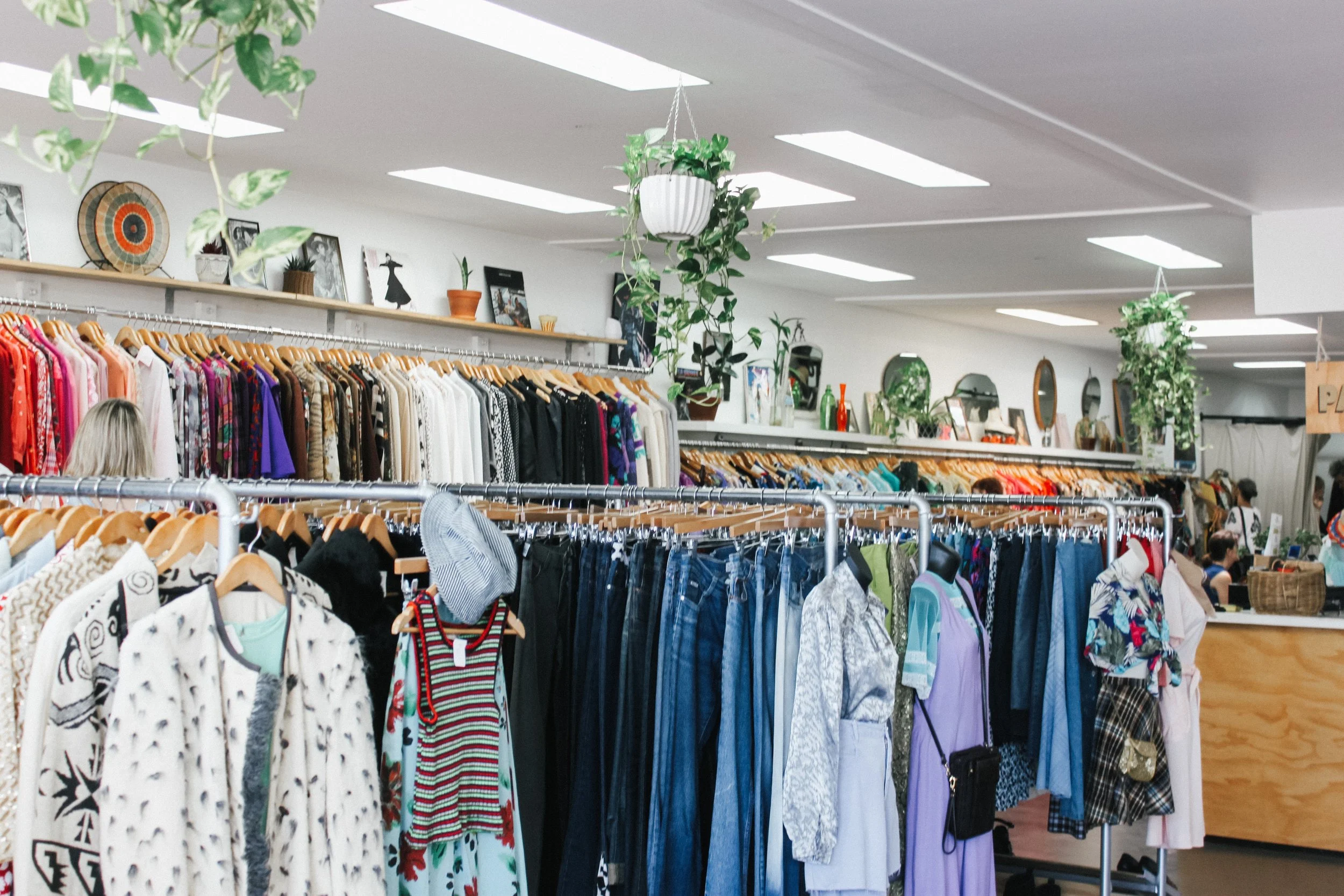
With non-essential retail set to re-open next month, Meg Pirie takes a look at the plethora of issues facing the charity shop sector. From the waning quality of donations and influx of loungewear, to an anticipated £10bn funding shortfall, shop closures and 60,0000 job losses due to Covid.


As Fashion Roundtable seeks evidence for their policy paper on 'Cleaning Up Fashion’, this latest session focused specifically on the Uighur Crisis and the broader issues of labour exploitation, modern slavery, opaque global value chains and the legislative action that the Government and Firms in the UK can take to mitigate suffering in Xinjiang.


"London has always been a torchbearer and champion of the brightest young talent, acting as a springboard for a huge portion of the world’s most talented designers to grow and become international names. But now as we look to the future and a return to a new normal, we must safeguard and support our young talent..."

Amy Nguyen, Founder and Editor of Sustainable & Social, explores the current fashion gaming landscape and weighs in on its power to encourage sustainable practices. Through recent brand case studies and a discussion with fashion innovation specialist Marta Waydel, she examines the nexus between gamification and sustainability commitments.

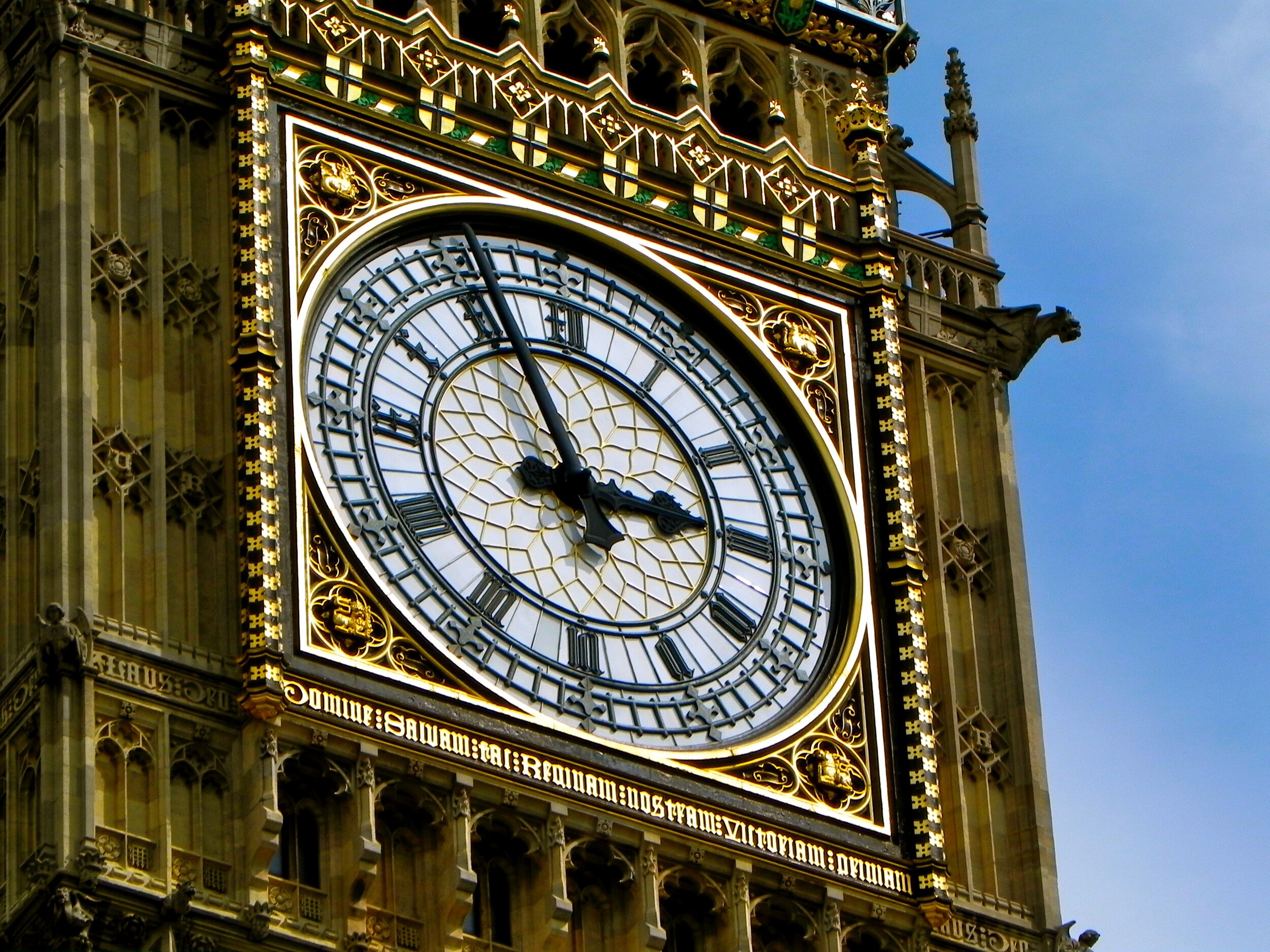
Loungewear experienced a 322% increase in sales, after the first lockdown. But it’s occasionwear that is forecasted to rise exponentially. In fact, the State of Fashion 2021 Report suggests that categorically speaking, occasionwear will see the swiftest post-pandemic recovery.


Ultimately, the pandemic has gendered consequences, and industries must work harder to remove new and pre-existing barriers women face in the workplace. A damaging #shecession is avoidable if women are represented and invested in.

Rishi Sunak’s second budget seeks to lay the pathway for the UK economy’s exit from the stupor that the twin pressures the pandemic and Brexit have posed. In this briefing we highlight the main provisions relevant to the UK’s Fashion Industry and the businesses and workers that constitute it.


Nicola Simmons highlights some of the issues facing fashion retailers exporting and importing goods between the UK and EU and offers some practical points for affected businesses to consider.

Fashion Roundtable is holding a unity meeting on 1st March, at 11am-12pm GMT. This follows on from our meeting in January which led to our open letter to the Government, their reply, our follow up engagement. We will discuss the issues and the next steps.

On the 23rd of February 2021, the Department for Business, Energy and Industrial Strategy (BEIS) added three documents to their website on the Agreement reached between the United Kingdom of Great Britain and Northern Ireland and the European Union. Here, we summarise and analyse the content of these documents and highlight some resources pertaining to future trade with the European Union.

First rumoured back in July of last year, it’s been in the news again that the Treasury are considering a new online sales tax. But a simplistic approach to taxing online retailers creates very little of the desired outcome, and causes chaos for smaller businesses and start-ups that governments are usually so keen to support.

The latest Government updates for your businesses, members and supply chains, including some useful Brexit guidance and FAQs from HMRC below.

As the Covid-19 pandemic took hold last year, click & collect services exploded in popularity, as people were less inclined to spend time inside shops. Retailers with such a service tend to find that it's the fastest growing delivery option, and for those with store networks, up to 85% of customers will buy additional items when they collect their online order.

According to new data from Tyl by NatWest - where they explored purchasing habits during the pandemic – an estimated £7.2bn pounds was spent with local independent businesses in 2020. Clothing stores were ranked amongst the top 10 types of local business supported by UK consumers.

“Autumn / Winter 2021, entitled Ascension, marks a new dawn for ART SCHOOL, and indeed for myself as its creative director, my first full season alone. Ascension is a dystopian new view of the ART SCHOOL community, our place in the world and the relationships we form in trying times.”

Please see the latest Government updates including ongoing consultations and goods movement flowcharts. Email Fashion Roundtable at admin@fashionroundtable.co.uk is you have any questions or concerns.

Tamara Cincik, CEO Fashion Roundtable: “What is taking the Government so long to answer our urgent request for a meeting? We understand there is a pandemic, but the Government has met with our colleagues in the music industry since signing the Brexit deal and we urge them to meet with us as well. Delays and silence are not a way forward for business certainty. This silence from the Government is deeply concerning and I hope that they commit to meeting with our stakeholders in the coming days, as they already have with our colleagues in the music industry. We urge them to show the same levels of concern and support for all aspects of business, creative industries and export brands.”

The Indian Farmers’ Protest has reached a critical point. People have gone missing, there are reports of extreme police brutality, and the number of known deaths caused by the violence is mounting. The Indian government released a statement accusing foreign commentators of joining a bandwagon without knowing all the facts. So here are those facts.
The Carry On Touring campaign is fighting to to secure an exemption or provision for those ‘on tour’ who, now we have left the EU, will be required to obtain work permits in each European country they visit.

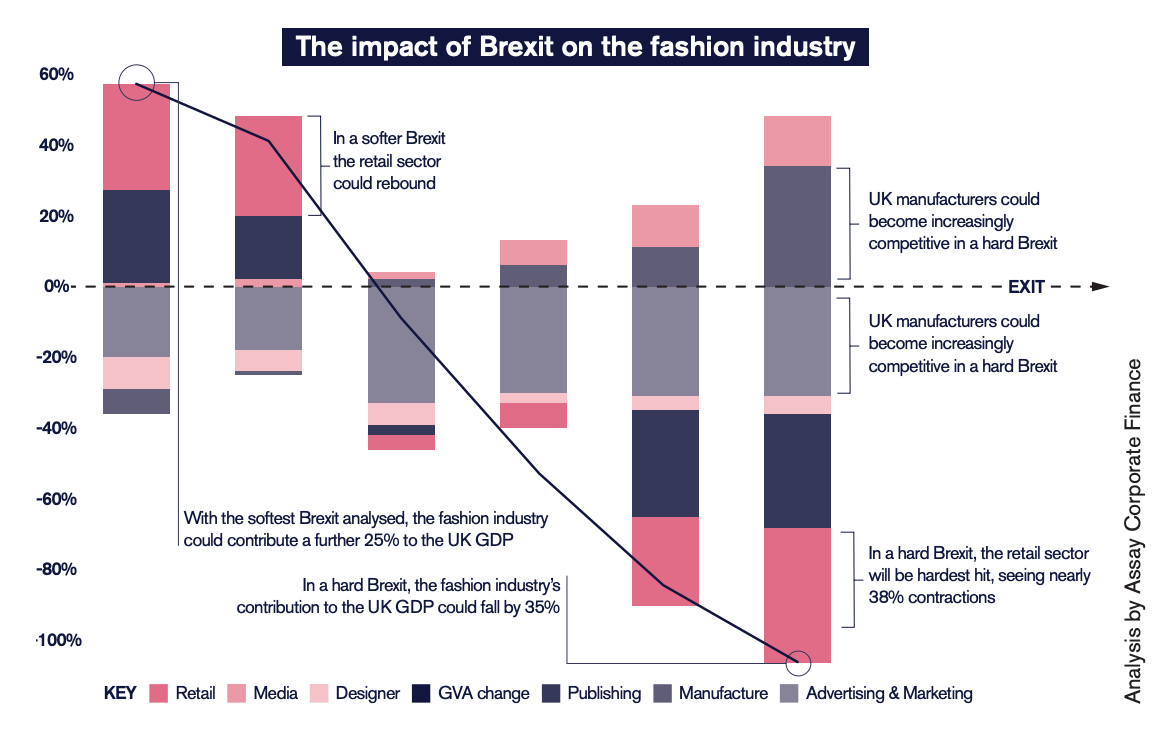
This briefing note includes updates on the combined impact of Covid-19 and Brexit on the UK’s £35bn GDP fashion sector.


The Covid-19 outbreak has been a catalyst of a global economic downturn. Fashion has been one of the most affected sectors. Disruptions in the supply chain, fast-changing consumer behaviour, and declining sales have left businesses in the fashion industry in dire financial straits.

A key concern for the industry is the limits placed upon freedom of movement for fashion creatives, which is antithetical to a sector that relies heavily on last-minute bookings and an ability to move freely for work. Read our position and briefing on this issue below.


Following Fashion Roundtable’s open letter to Government, that garnered the support of more than 450 industry-wide signatories including Vivienne Westwood, Twiggy and Katherine Hamnett, we invite you to support our campaign to save the fashion industry.

Fashion Roundtable have highlighted the key issues, impacts and unforeseen consequences of Brexit in our open letter to UK government. Read our concise roundup of the key areas threatening the UK fashion industry.
A template letter to your MP highlighting Fashion Roundtable’s plea to Government, which urges action that will protect the future of the UK fashion industry.

Please see the latest Government updates, with some reminders of links to available guidance on Northern Ireland below.

News to Reuse, a youth-led anti-fast-fashion campaign that sits within the social enterprise “I Have a Voice”, is advocating for Government policy to be introduced that would encourage fashion companies to create product labels that inform customers about their clothes’ environmental footprint and the human rights conditions of workers in their supply chains.


The online fashion retailer Boohoo has purchased the Debenhams brand and website for £55m. However, the agreed deal will still put up to 12,000 jobs at risk— with Boohoo stipulating that they only wanted the labels, not the Debenhams high street units. This poses yet another threat to the survival of traditional bricks-and-mortar retail in the UK. At Fashion Roundtable we are incredibly concerned to hear of the continued loss of fashion retail jobs—an unemployment situation that will disproportionately affect women due to the higher number female retail workers.
We are currently collating names of signatories for our open letter to the Government regarding Brexit and the UK fashion industry. Please sign by emailing Sarah at Fashion Roundtable with confirmation of your name and job title.

The latest information and updates for your businesses or members and supply chains including hauliers. The resources cover: GB-NI trade, International Road Haulage and Rest of World trade: Sanctions.

Sojo is on a mission to help make our relationship with fashion more sustainable by ensuring that getting our clothes altered or repaired is a hassle-free process. Deliveroo but make it fashion.


Last season, we saw Fashion Week embrace a new normal— cutting down on jet setting emissions, nearly eliminating the front row, or using deadstock material. Many brands even pulled out of Fashion Week altogether. The circus that Fashion Week became is now a digital offering that is helping to nudge fashion toward a more sustainable and equitable future.

Join Fashion Roundtable as we unite the sector during these troubling and challenging times.


Fashion Roundtable's Tamara Cincik in conversation with the iconic Katharine Hamnett CBE - the First Lady of fashion activism and a loyal supporter of Fashion Roundtable. In this episode, Hamnett and Cincik talk about everything from Brexit to sustainability.


According to the Centre for Retail Research an estimated 180,000 retail jobs were lost in the UK in 2020. As retailers continue to face rent-charges and a cash-flow crisis, 200,000 more jobs are also in jeopardy as we enter 2021. This has been accelerated by the Arcadia Group’s administration which put thousands of jobs at risk on-the-spot, highlighting the death of the traditional high-street as we know it. It’s now fundamental for the surviving stores to provide what consumers want and need, as we learn to live in this new era.

A ‘New You’ has long been synonymous with a slimmer version of yourself — one that befits fashion’s historically rigid body standards. In the last few years the fashion industry has tasked itself to become more inclusive and diverse. Changes have therefore been made when it comes to the promotion of diet culture in fashion. But is the pivot to ‘wellness’ and ‘fitness’ just the same old agenda wrapped up in a different package?

Since March 2020, the Emergency Designer Network (EDN) have been working with a team of volunteer London-based designers to produce PPE and key garments for hospitals. Fashion Roundtable alongside other groups is supporting EDN. Here’s how you can help…

Please see the below, published or updated today, of relevance to your businesses/members, supply chains, hauliers/freight forwarders, and EU/EEA nationality staff.

Last night the Prime Minister announced another UK national lockdown. Whilst we understand this decision, we are concerned by its unequal impact on families and businesses.

The United Kingdom sends $42 million worth of second hand items to Kenya every year, but unfortunately many of them are ending up in landfill. As Kenya attempts to open up its own manufacturing capabilities for local fashion designers, one of the greatest challenges has been the sourcing of fabrics. So what if we employed African creatives to re-fashion these unwanted clothes into new items to sell back to European markets?


2020

Please see below relevant updates for your businesses/members and supply chains including your EU workforce, trading partners, and hauliers.

Fashion Roundtable are saddened to learn that the French fashion giant Pierre Cardin has died at the age of 98.

Fashion contributes more to UK GDP than the fishing, music, film and automotive industries combined. Yet, the fashion sector has not been widely considered an industry of national importance throughout Brexit and other trade negotiations. This is inexplicable and inexcusable.

Please see below relevant updates for your business/members and supply chains (including freight operators).

Catch up with our selection of feature articles and opinion pieces published on the Fashion Roundtable Informer this year…

Exploiting people of colour to make their clothes, selling racially insensitive clothing, discriminating against models, displacing indigenous peoples, and cultural appropriation are the norm in the fast fashion world. Social media posts in support of relevant social issues are also the norm nowadays; what’s missing is the action that reflects these positive sentiments. How can we spot performative activism? Let’s take a quick look at the language behind the facade.


Photographers, stylists, make up artists (and so on) perform virtually identical roles and the sector also relies heavily on international talent. The UK fashion industry makes over 10 times what film does for the UK economy, but this is severely at risk if we are not operating on a level playing field.

GET A LIFE is an arts publication lifting the lid on sickness through the lens of young creatives and patients. Issue 01 contains content centred around cancer and coronavirus from over 30 contributors, all working from locked-up locations around the world.

When it comes to sustainable development in the fashion sector, education equals empowerment. The current fashion landscape is experiencing pervasive greenwashing where ‘sustainability’ has become a buzzword used by marketeers to tout supposed ‘ethical’ credentials. But what do these words really mean?

AMMA Natural Textiles is a sustainable fashion and textile business located in Nuwara Eliya, a tea estate region in Sri Lanka. This innovative business empowers women by employing them to make handmade zero waste garments and accessories. AMMA’s new collection is now live on Kickstarter— we can’t think of a better Christmas gift idea!

As we head into the festive season, at the end of the most difficult of years for so many, Eden Loweth discusses the the emotional power of chosen family. Within the queer community, the importance of chosen family can be vital in providing stability, safety and comfort to many who find themselves alone in a city, often discovering their true selves along the way.

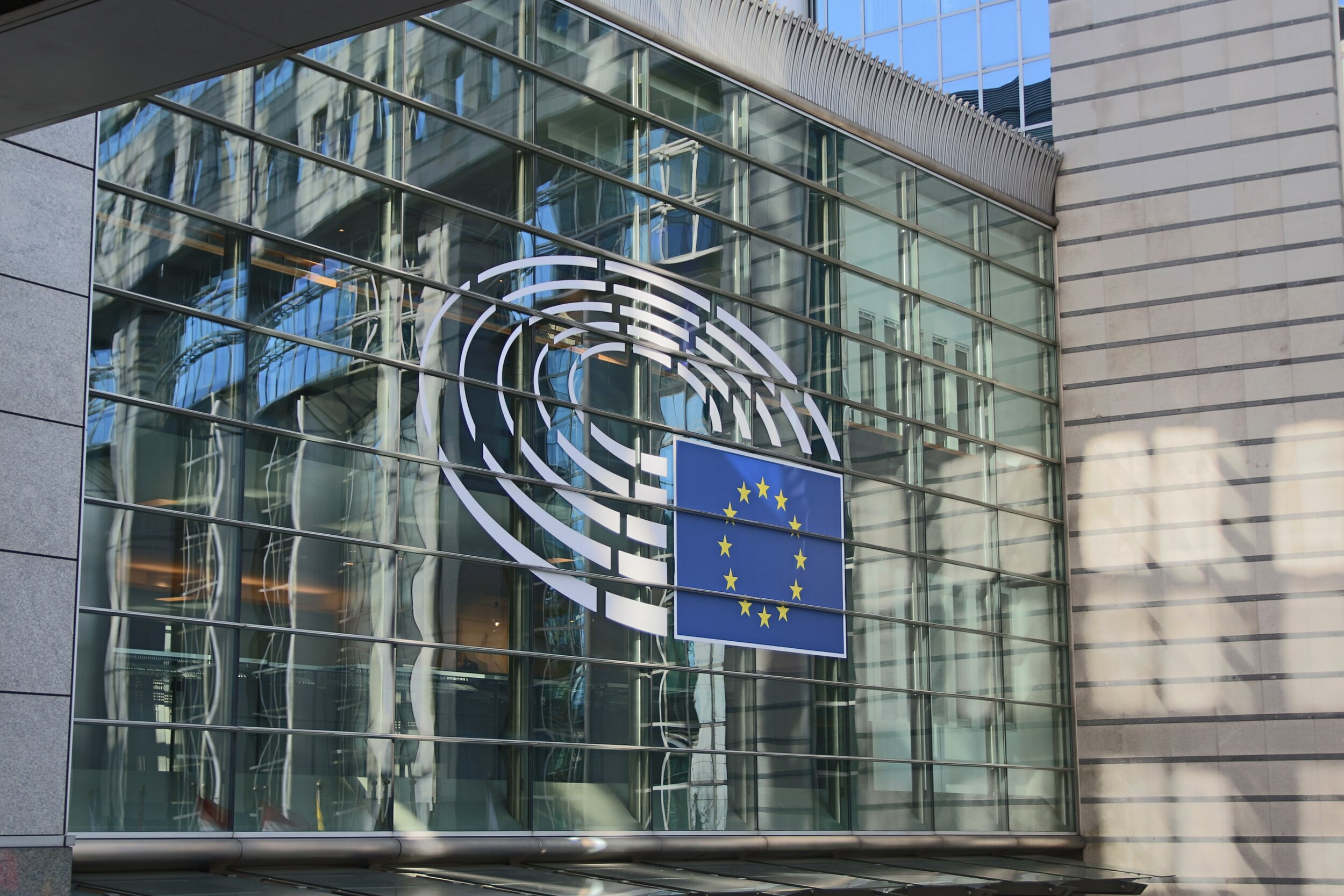
A joint statement from UK Prime Minister Boris Johnson and European Commission President Ursula von der Leyen.

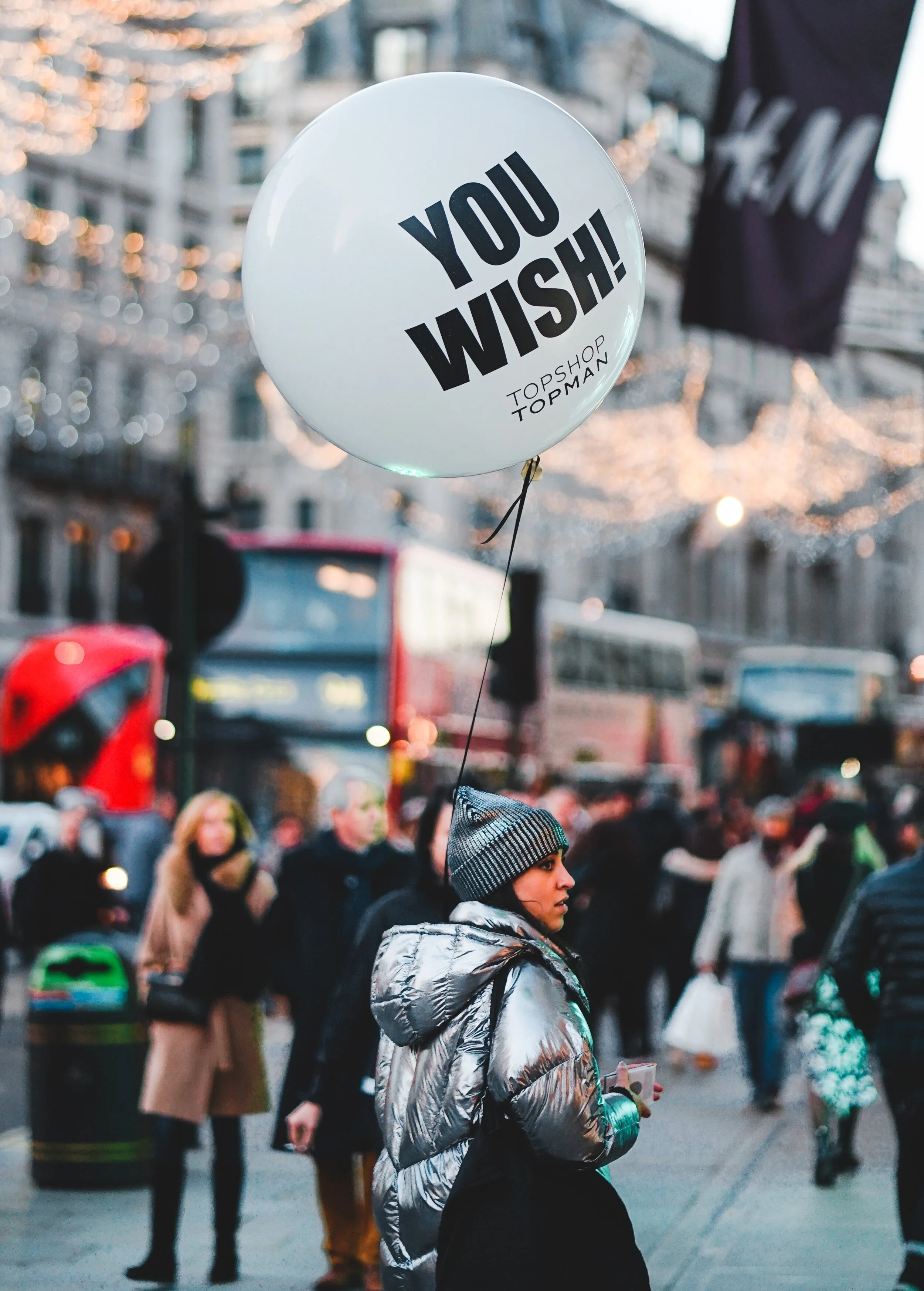
“One of the most prominent issues with Topshop’s business model was that they didn’t shift their values to match what Gen Z were demanding as consumers. Unlike my generation, where your identity was largely reflected by what brand you wore, fashion for this particular generation has been more about aligning with brands that reflect their own identities and less about buying the latest It-bag. These shoppers are value-oriented and are far more open to alternative fashion systems…”


By refusing every norm, Halima Aden took the world of fashion by storm. She showed the world a Hijabi model is something that the fashion industry craved. But behind her stratospheric rise, there was a sense of deep unease. It conjures up an uncomfortable argument: was the fashion world ever really inclusive?

There is now less than one month to go until the end of the transition period. It is vital that you act now to avoid disruptions to business operations and to help you make the most of the opportunities that 2021 will bring.

This article continues a list of relevant updates for your businesses/members and supply chains.
Please see below today’s Covid-19 bulletin, including a breakdown of the new tiering system; updated guidance on Government’s support schemes in response to the impact of Covid-19; as well as yesterday’s Spending Review announcement.

In September, the UK government announced its decision to abolish the VAT Retail Export Scheme. VAT RES, which has enabled foreign visitors to purchase goods and claim back VAT, is scheduled to end from 1 January 2021. But the decision to withdraw the VAT Retail Export Scheme puts the retail, tourism and hospitality sectors at risk.

Compare and contrast the body-con dresses, capes and stilettos favoured by the Trump women, with the Converse, jeans and jacket combos sported by Kamala Harris. This stark contrast illustrates the power of sartorial politics— by decoding our clothes, we can see the true values at the heart of a narrative.


This bulletin provides the latest information for employers and businesses on coronavirus (COVID-19). All coronavirus business support information can be found at gov.UK/business-support

Fashion Roundtable is pleased to announce that it has held several evidence sessions, webinars and external events on representation and inclusion in the fashion industry.
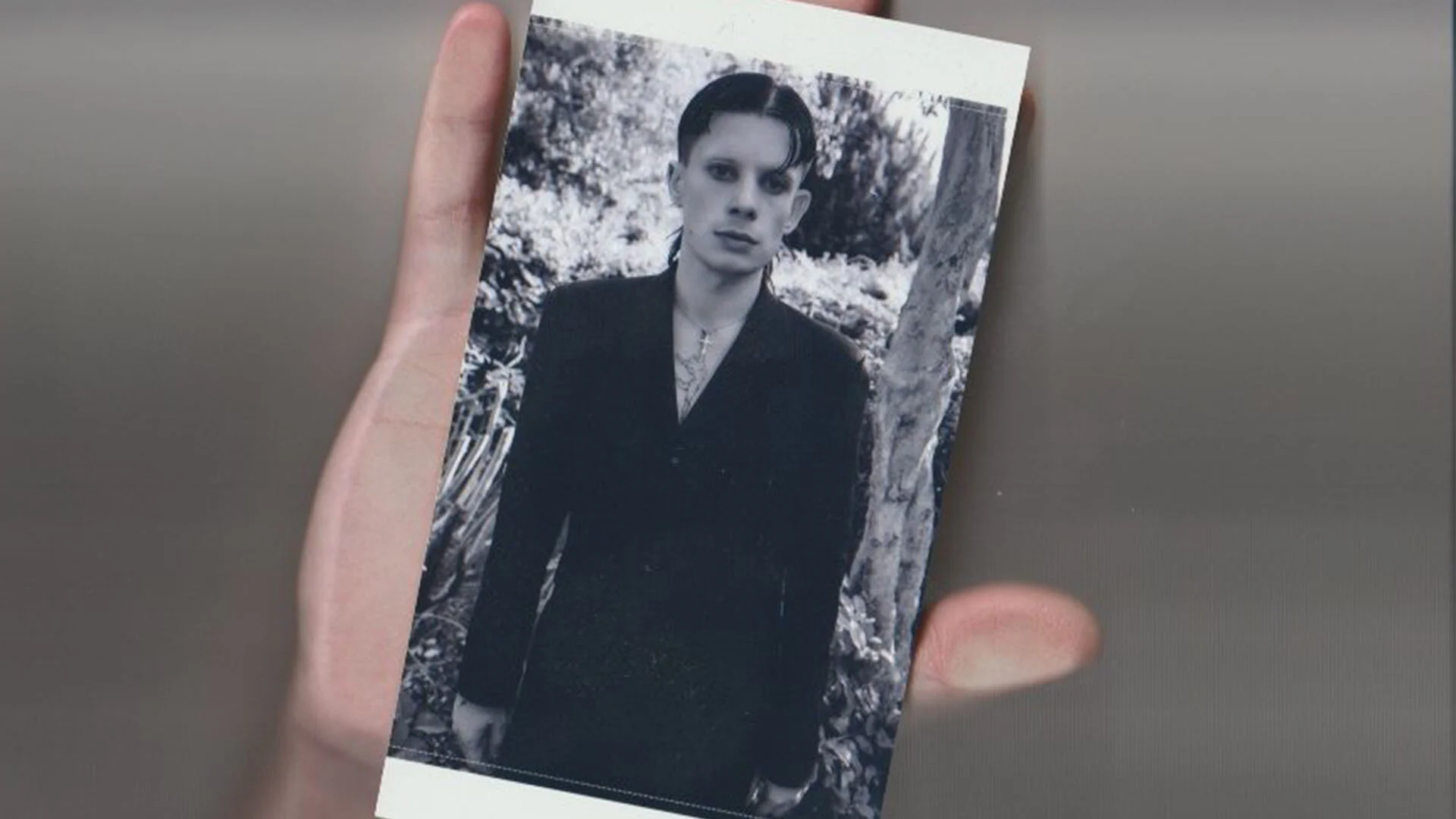
In the first of Eden Loweth's monthly Op-Eds for Fashion Roundtable, our new ambassador asks - in an industry infamous for its exhausting pace and pressurised reality, how can we support and protect its talent and their minds?

Black Friday perpetuates a myth of boundless resources— all supported by exploitative and environmentally damaging business models, particularly in the fashion industry. However, the retail sector and morale are in need of a boost. Can these apparently divergent concerns be reconciled?


Fashion Roundtable ambassadors are individuals working across the industry whose ethics and values align with our own.

This bulletin provides the latest information for employers and businesses on coronavirus (COVID-19). All coronavirus business support information can be found at gov.uk/business-support.

The UK has left the EU, and the transition period after Brexit comes to an end this year. Take action now to get ready for new rules from January 2021.

New research shows that disabled people have been severely overlooked during the pandemic — despite reassurances that people with disabilities wouldn’t be disproportionately impacted. It’s clear that we must deliver a more comprehensive and individualised strategy for disabled people during the pandemic to ensure they are protected and receiving the vital support they need.

From styling to illustration and fashion design, Desislava Todorova speaks to three young creatives about how our imminent departure from the EU is affecting their work; and how they imagine life in the UK post-Brexit.

During lockdown consumers became more conscious of sustainable fashion, with one in four (23%) now repairing clothes, and one in five (19%) keeping items for longer. The climate emergency is intensifying, and we need fast, effective action more than ever. To lead this change, the sustainability charity WRAP is launching Textiles 2030 - of which Fashion Roundtable are proud to be founding signatories.

A message from the Business Secretary urging you to prepare for the future trading relationship in two months' time.


The UK-US trade agreement is going to be vital for our sector's global survival if we see a Brexit agreement which limits our access to the all important EU markets of Paris and Milan.

A recent report revealed that just 16% of people working in the creative industries are from working class backgrounds. Unpaid internships uphold the structural divide in fashion — allowing those with the economic means to advance and become successful, whilst working-class and POC individuals are left at a serious disadvantage.

From optimising your social media presence to never mixing friendships and business, Angeliz Venter shares everything she’s learnt as a young female entrepreneur.

Retail shopping is experiencing its most dramatic change for many generations. Aside from the tragedy of Covid-19, there is a new narrative that’s moving away from consumerism and looking at new options for shopping. The familiar vocabulary of ‘new’, ‘latest’ and ‘must-have’ is being replaced by ‘sustainable’, ‘re-use’ ‘recycle’ and ‘restore’.

Everything you need to know about the government’s approach to maintaining continuity of the trade relationship between the UK and Japan after EU Exit.

In the 90 days leading up to April 22, internet searches for ‘How to live a sustainable lifestyle’ increased by 4,500% according to Google. Faced with great change and uncertainty, consumers have a growing interest in sustainability. However, this new mindset may not be enough to turn the tide on fast fashion. Despite struggles across the retail sector, fast fashion brands are still coming out on top.

An exciting research project called Forest Fabrics at the University of Borås, Sweden, is on the quest to create a sustainable fabric made from paper. One of the collaborators behind the project, Swedish brand House of Dagmar, is currently working to see how the fabric can be used in their clothes.

Everything you need to know about the OAR— a free, neutral and open source tool mapping garment facilities worldwide and allocating a unique ID to each. The OAR was launched in March 2019 and has now grown to over 43,600 facilities across 129 countries. Here’s how the tool is becoming the industry’s “central source of truth”.

The UK has left the EU, and the transition period after Brexit comes to an end this year. Take action now to get ready for new rules from January 2021.

Modern slavery continues to be a problem both globally and in the UK. Persistent and coordinated political efforts are needed to end and prevent it once and for all.

We’re all familiar with the tactic of drowning a hashtag or report, something that’s a specialty of online fast fashion retailers. From giveaways to new collections released at the same time as controversy hits, this isn’t a coincidence. But in a time when consumers talk of wanting a cleaner industry, will they need longer memories to make that happen?


The made-to-order industry is the answer to some of the big problems presented by our current fashion industry. By only producing what has been ordered by a customer, textile waste is almost entirely eliminated. But there are limitations to this system. Can made-to-order brands maintain this production model as consumer demand grows?

Trend forecasting is a crucial part of the product development process, and likely the starting point to the majority of products we buy, wear, and throw-away each year. While Trend Forecasters are rarely recognised for their considerable contribution and artistry, they are also rarely challenged for their role in our wasteful industry.

Labour Behind the Label - a UK-based not-for-profit co-operative organisation which campaigns for workers' rights in the clothing industry - on how the global pandemic has had a huge impact on workers in global fashion supply chains. Image: Kalpona Akter, president of the Bangladesh Garment and Independent Workers Federation (BGIWF)
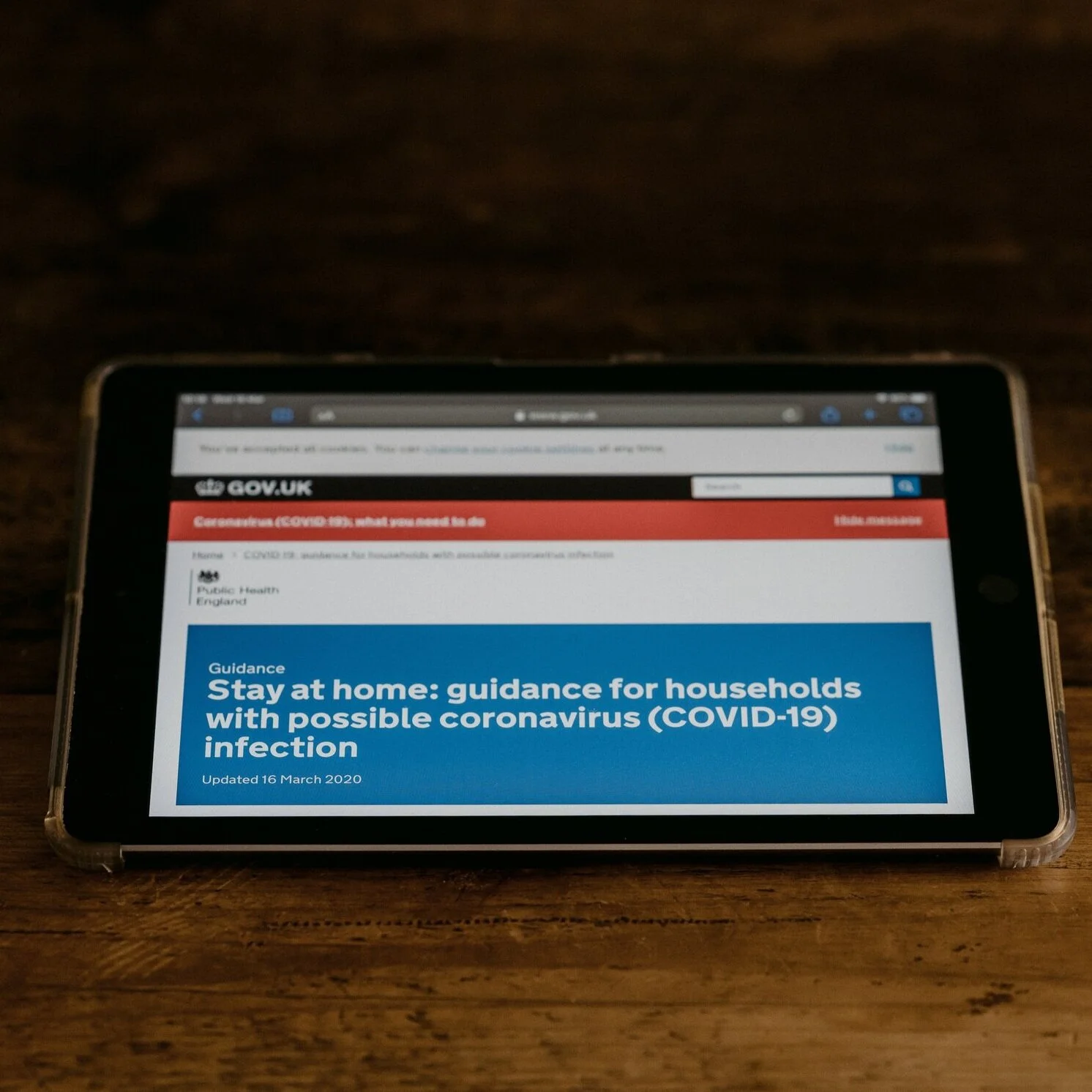
This bulletin includes the latest information on the Job Support Scheme, the taskforce for safe return to global travel launched, new and updated guidance, webinars, and travel corridors in England.

Fashion Roundtable are extremely proud that the industry has been so pivotal in the national effort to domestically produce PPE, simultaneously by creating hundreds of new jobs and reducing reliance on overseas companies. Before the pandemic, just 1 percent of PPE was produced in the UK.

Yesterday the All-Party Parliamentary Group for Ethics & Sustainability in Fashion held its third evidence session as part of an ongoing inquiry into modern slavery, labour exploitation and sustainability in the UK fashion sector for the upcoming Cleaning Up Fashion report.

Fashion Roundtable joins industry stakeholders and calls on the Government to reverse plans to bring an end to the VAT Retail Export Scheme.

The Job Support Scheme (JSS) will be expanded to support businesses across the UK required to close their premises due to coronavirus restrictions. Plus a new Global Travel Taskforce to support the travel industry and the safe recovery of international travel has been launched.

Threat actors are launching new attacks on businesses and individuals during the Covid-19 pandemic. A study revealed that every 19 seconds, a small business in the UK is hacked. However, only 52% of companies acknowledged they have a strategy in place to manage cyber threats. Here’s 5 tips on how to mitigate the threat…

As efforts to achieve a more sustainable fashion industry are on the rise, it seems a crucial area for improvement has been overlooked: fashion education. With Covid-19 causing an upheaval of the way practically every fashion course was delivered in 2020, a shift from physical to digital working occurred almost overnight. This poses the question, why can’t we make dramatic changes to the way fashion is taught when it comes to sustainability?

Lockdown caused havoc in fashion publishing which has seen its ideological ups and downs over the past few years. However, the Covid-19 pandemic gave a whole new meaning to the term “chaos”. Editorials produced by models at home, heartwarming messages of community support and hope have been shared, repeated and re-shared over and over again. So what awaits the next generation of fashion journalists?

AMMA provides relief for the most marginalised people living on Sri Lanka’s tea estates by employing local mothers to make their zero-waste, natural garments and accessories. Justice is crafted directly into their product making to ensure both people and the environment are placed above profit.

“For too long communities like the one I come from have been trapped in a marginalised reality of under representation and exclusion, this has to stop. I implore every designer, agent, creative and CEO reading this to open the doors to real change. In this moment, in 2020, a year of unimaginable hardship, now is the time to act.”

“I am delighted that our work lobbying the Environmental Audit Committee (EAC) to revisit their work on the fashion industry, with the support of our wider community, has been effective.”

The fashion industry strives for images where women are placed at the forefront of power, yet behind the scenes they are left vulnerable to gender-based harassment and predatory behaviours. We need greater allyship to improve gender equality— without a collective effort, people who engage in destructive behaviours will continue their cycle of abuse. Time’s up on the fashion industry’s gender imbalance.

While ending relationships with suppliers linked to Uyghur labour is necessary, fashion brands have already profited from this exploitation. If the industry wants to act on forced labour in its supply chains in the long term, it needs better transparency and more balanced power dynamics between brands and suppliers.

The UK has left the EU, and the transition period after Brexit comes to an end this year. Take action now to get ready for new rules from January 2021.

Compare Ethics is an organisation working to rebuild trust in a system that can often abuse sustainability and appear broken. Through their use of technology, Compare Ethics are on a mission to empower consumers to make better choices by verifying brands sustainability claims. This latest industry report is an in-depth exploration of the current trust deficit.

This article provides the latest information for employers and businesses on coronavirus (COVID-19). All coronavirus business support information can be found at gov.uk/business-support.

From April next year in England, the government will be offering adults of any age - previously only those up to twenty-three years of age were eligible - who do not currently have an A-Level or equivalent qualification, a free college course to help them train for a new job.

London Fashion Week was quite a difficult one to grasp. But, regardless of the Covid parameters, it came through like wild flowers. Designers either gave you The Great Outdoors. Or the importance of heritage and the home.

There are under 100 days to go until the United Kingdom leaves the Single Market and the Customs Union and businesses, citizens and Government need to prepare.

Is guilt really a useful emotion? And do our feelings of guilt actually motivate us to take - and maintain - sustainable action? Recent studies have shown that although guilt can motivate intention, it doesn’t always manifest in eco-friendly behaviour

“Fashion doesn’t seem to speak my language” says Julie Uddin as she explains why the fashion industry’s commitment to inclusive sizing must go further…

Nicholas Diamond-Krendel explores the death of a liberal icon, the late Supreme Court Justice Ruth Bader Ginsburg. Following a trailblazing legal career spanning over half century, her death at this crucial moment in the US election cycle may not only impact the result of one of the most closely fought elections for years but could threaten to define the political and social landscape of America for a generation.

Undoubtedly, the New Normal has challenged the fashion industry across the globe, with many speaking of the Covid-19 pandemic as a “reset” moment for brands and designers. Adhering to social distancing guidelines, London Fashion Week followed a rather experimental approach by splitting their schedule into three, with brands debuting their collections either digitally or physically, or both…

In a political race where perception is everything, candidates are very aware of how their style influences people’s view of them. Fashion is used as a political statement. And whether we like it or not politicians’ appearances have influence on how we vote.

The fashion world can't sit by whilst the industry is implicated in the biggest human rights abuse so far this century. The hashtag for this year's London Fashion Week is #LFWReset – and it's time to reset our relationship with forced labour and stand in solidarity with the Uyghur people.

I miss networking, meeting new people, seeing clothing in person and generally soaking up the atmosphere. To be able to talk frankly to brands, press, buyers, and gather insights into big retailers — these are all things that build cohesiveness in our industry. Many of us are missing out this season.


Women have been shown to be more at risk of job losses, which has been the same since Austerity began over a decade ago. Young women are the backbone of the UK fashion industry and we at Fashion Roundtable continue to lobby government to support extended furlough schemes as a second lockdown looms.

In the fight for sustainable fashion, we often overlook the vast amount of children’s clothing heading to landfill each year. Just consider the fact that most children grow seven sizes in the first three years of their lives, it’s inevitable that kid’s clothing will constitute a huge amount of textiles waste. But can the circular fashion model offer childrenswear the eco-friendly makeover it so desperately needs?

The pandemic has illustrated the pressing need to be collaborative, support and protect across all spheres of society. In utilising design thinking, key fashion and textiles skills and a commitment to social justice, the ‘Masks 4 Za’atari’ PPE project does just that.

In anticipation of London Fashion Week, our Communications Director Jodi Muter-Hamilton takes a look at how the industry is adapting to a digital experience for all. Do digital fashion weeks foster creative expression or limit potential?

The UK has today secured a free agreement with Japan, which is the UK's first major trade deal as an independent trading nation.

In light of Oxfam’s #SecondHandSeptember, our Founder and CEO Tamara Cincik shares her love letter to vintage clothing and a few expert tips on how to make your hunt for a second-hand wardrobe even more sustainable.

The UK has left the EU and the transition period comes to an end this year. The following resources have been issued by the Department for Business, Energy and Industrial Strategy to provide the latest information for your business.

Thrifting has come under intense scrutiny in recent years – and for good reason. Mass thrifting is driving up prices and creating a scarcity of good items in second-hand shops. This rising popularity is depriving underprivileged locals from getting their hands on affordable (and sustainable) garments.


This horrendous virus has confined most people to their homes against their will which is likely to be a strange concept to non-disabled people — but one that’s familiar to nearly all of us with disabilities. Disabled people face a daily crisis just by the mere fact we are disabled, which often passes the gaze of our non-disabled counterparts.

TipStart is a new digital platform taking on privilege, nepotism and barriers to equal opportunity, to help people realise their ambitions. It aims to challenge the power of privilege in employment by matching experienced professionals with those who cannot rely on their existing networks or background to break into historically privileged professions.

This week’s updated government resources- including information on funding for people on low incomes who need to self-isolate. Plus guidance on commuting and car sharing.

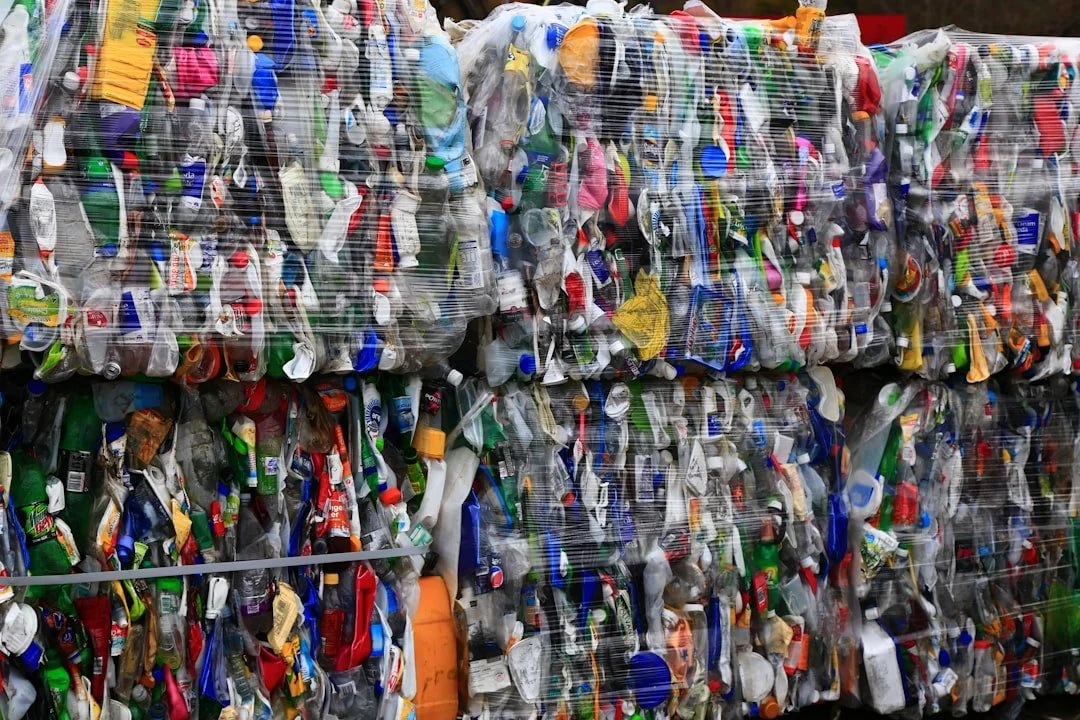
Eight million tonnes of plastic waste go into our oceans every year. Even worse, it is expected that by 2050, there will be more plastic by weight than fish in the oceans. And this was before the COVID-19 crisis.

Home to the showrooms and studios of internationally acclaimed couturiers, Beirut has long earned its place on the global style map. But the capital is now facing its third successive crisis this year, following the devastating explosion in the city’s port. Can the ongoing relief efforts help its culturally celebrated fashion industry to thrive once more?

One of the biggest assets we have in the creative industry is our Intellectual Property (IP). But according to UAL’s Creative and Cultural IP Rights Specialist, fashion is copied all too often due to its subjective nature. So how can we manage and protect our IP?

“Since the pandemic began, I’ve seen a fairly even split of creative energy. Some have totally immersed themselves, whilst many of us have felt particularly restless and claustrophobic, without a clear road or plan ahead.” Here Meg Pirie shares how she has learnt to reignite her creativity post-lockdown.

Despite its promising title, viewers are offered a very limited glimpse inside Missguided’s supply chain in a PR-friendly documentary that is riddled with faux empowerment and white feminism, says Melissa Watt

This week’s updated government resources- including guidance about the close contact services (hairdressers, barbers, beauticians, tattooists, sports and massage therapists, dress fitters, tailors and fashion designers) which reopened in England on 15 August.

Despite initial fears that Covid-19 would kill people’s desire to share their wardrobes, rental fashion sites are now thriving. My Wardrobe HQ, in particular, has seen a 50% increase in their listings since the start of lockdown. So how has the rental fashion model survived the pandemic and why is the sharing economy needed now, more than ever?


What once began in the 1920’s as a mini capsule wardrobe for those looking to catch some winter sun or revel in a quick getaway have snowballed into a whole new life form. But is the lavish production of cruise collections furthering fashion’s sustainability narrative? We weigh in on the waning relevance of cruise collections, their digitalisation and how they will survive a new state of play in fashion…

A Q&A with four of the incredibly talented graduates who participated in our “Radical Sustainabilities” event — they explain the motivations behind their Final Masters Projects, their inspirations and how they believe the pandemic will shape sustainability in the fashion industry moving forwards.

Depop has captured the hearts of the ‘Instagram generation’, seeing a 200% increase in traffic since April. But the app hailed as a sustainable way to shop may be inadvertently fuelling our desire for new. Depop closely imitates the fast fashion cycle where users can shop from a constant flow of cheap new arrivals, many of which are barely worn.

On Thursday evening, Fashion Roundtable and four graduates of the MA Fashion Futures at London College of Fashion came together to discuss their work and launch individual portfolios during an online event.

No drama, just Klarna? Right now, the Buy Now Pay Later bank is making waves, with slick advertising and seamless checkout processes that are almost too easy and don’t come with all the usual amounts of small print text. Klarna Bank AB was found to be offering not just zero-interest deals but formal credit agreements on shopping purchases as low as £35.

Tamara Cincik discusses the pressures facing women during the pandemic. Many are bearing the brunt of household duties and homeschooling: “What does this tell us about how we are valued as women both in the home, in the workplace and in society in 2020?”
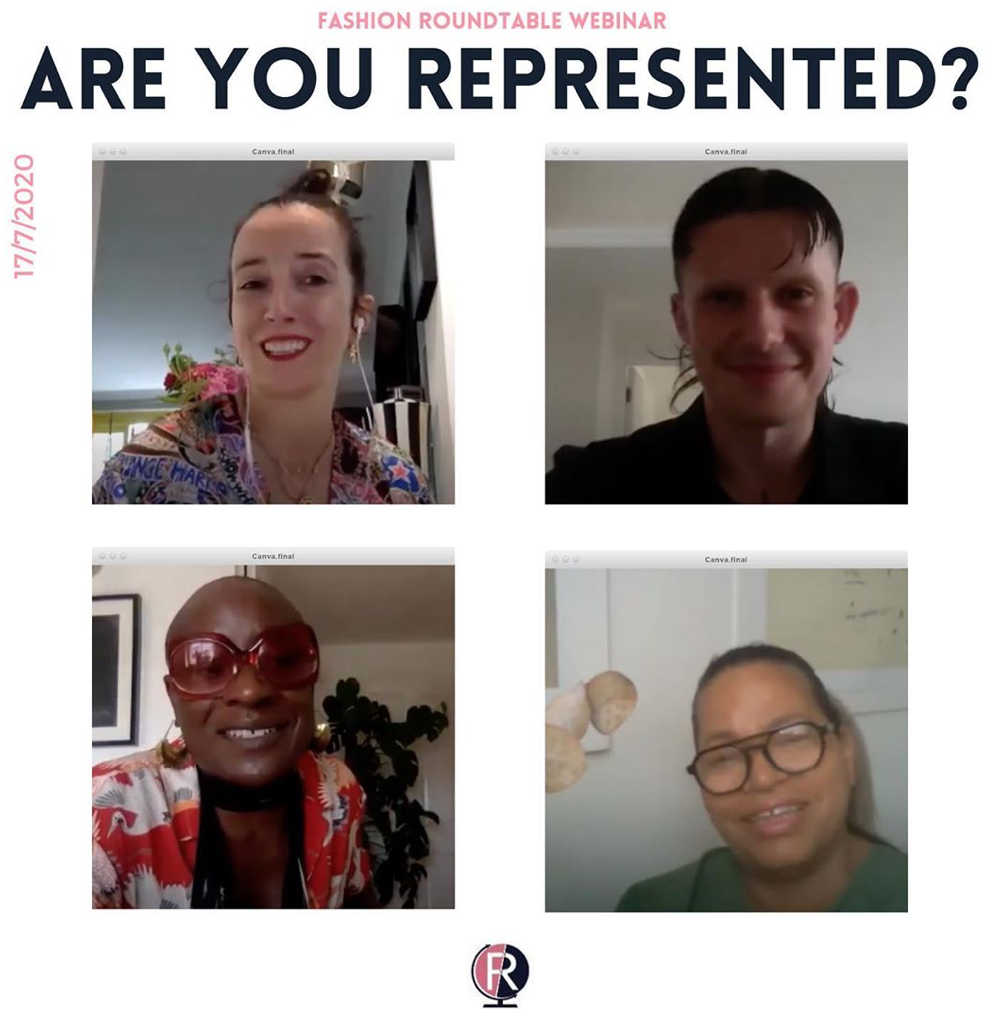
Now we are easing out of lockdown and into a new normal, the tide must change for everyone to rest and regroup from the last few months and pause. Before Fashion Roundtable turns off its audio, this week’s topic was one of the most important of all— ARE YOU REPRESENTED?

The fashion industry is getting a Matrix makeover with technology and innovation driving digital disruption. From AI, to blockchain, augmented realities, 3D scanning, and phygital experiences - the possibilities for designers, creatives and customers are being reimagined. So, how this is accelerating fashion’s sustainability commitments?


Catch up with all the insights from the APPG for Ethics and Sustainability in Fashion’s virtual meeting— Cleaning Up Fashion: Accelerating Sustainability and Supply Chain Transparency in the Fashion Industry

After revelations about the appalling conditions at a Boohoo factory in Leicester, slow fashion activist Meg Pirie argues how governments must intervene with far stricter legislation, while brands must voluntarily become far more transparent in their work.

Lives have changed, and so has style. Meg Pirie writes on the “demise of power dressing”, self-expression, empowerment and storytelling.
Clara Buckens writes on the future of the retail sector in the aftermath of COVID-19. Post-lockdown, the retail sector is struggling. Consumers are opting for a more personal shopping experience, giving small and independent business an edge.

Read about Fashion Roundtable’s recent Webinar on “Consumption and Choice: Does Fashion Have A Class Problem?” The Webinar was based on the OP-ED article by Author and Journalist Tansy Hoskins - ‘Why people in Primark are not your enemy.’

Based on our on-going All-Party Parliamentary Group for Ethics and Sustainability in Fashion evidence sessions, Fashion Roundtable is seeking written submissions on how to start “Cleaning Up Fashion” by accelerating sustainability and supply chain transparency.

Fashion Roundtable have submitted evidence to the Migration Advisory Committee in response to the open consultation on the Shortage Occupation List - the new points-based immigration system, applying to EU and EEA workers coming in the UK starting 1 January 2020.

‘If you don’t hear what you know needs to be said, you have to make space for a new conversation’.
Power words from Fashion Roundtable CEO & Founder Tamara Cincik.

We must embrace the new wave of sustainability— one that understands the necessity of addressing inclusivity and diversity, alongside environmental protection efforts.

Cultural barriers, stigma, stereotyping and social invisibility are just some of the factors that contribute to the fact that refugees are being left further and further behind in our economy. Fashion can potentially bridge this gap, ensuring inclusivity and representation are at the forefront of our sector moving forward.


Updated Information on the Coronavirus Financial Support deployed by the Government. Including information on available Grants, Tax and Rates, Reimbursements and Loans.


According to a report by PWC, retail sales have been hit very hard with 4.3% of stores reporting a zero turnover in April. Yesterday saw retailers re-opening across England, with the government issuing all businesses with guidance and framework on how to safely operate. So, what changes can we expect?

While many local businesses have started opening again, the NHS is still overrun and urgently needing our help. The Central Saint Martins Foundation team have been working tirelessly to create vital scrubs for the NHS, and are inviting anyone with the time and resources to get involved.

The pandemic has caused widespread disruption for the fashion industry, with orders being cancelled, collections being postponed and little information as to when the usual state of play will resume. In the face of these difficulties, Teatum Jones decided to look critically at the ‘normal’ fashion business model and what our roles as humans should be for the future of our planet.

Our Brexit & Business webinar was chaired by Tamara Cincik, Fashion Roundtable’s CEO, and included: Navjyot Lehl, part of the team at the leading think tank UK In A Changing Europe, Swati Dhingra, Associate Professor of Economics at the London School of Economics, & Holly Jade O'Leary, Director of Alinea London.
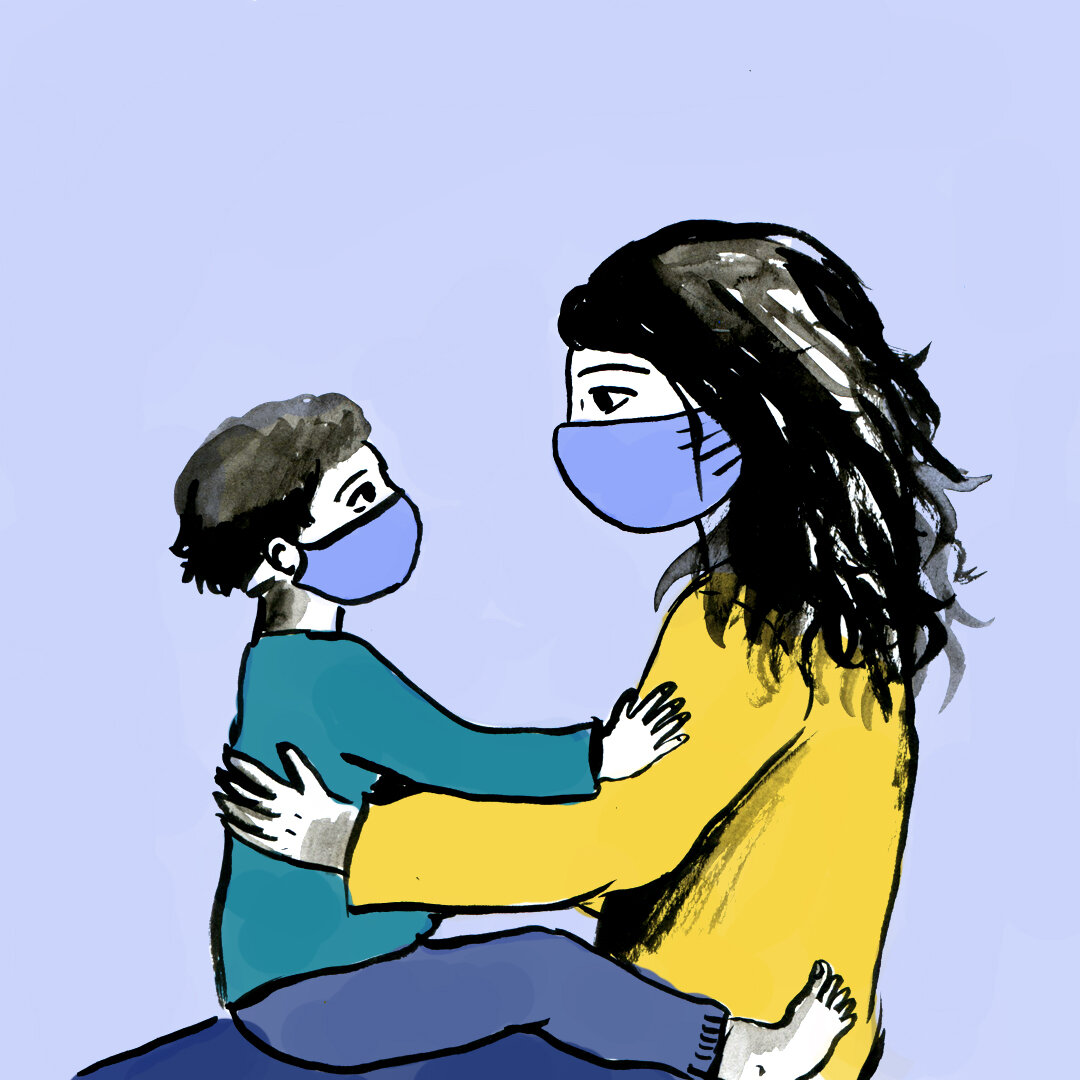
At the best of times motherhood is an all-encompassing rollercoaster of emotions – relentless, calm, joyful and exhausting – all rolled into one – and yet, it’s single-handedly the most wonderful thing I’ll ever do. Throw in a global pandemic though and things become harder to navigate.

Technology is hyped as the saviour of the pandemic, but its applications for the fashion industry do not come without risks for employees, says Camilla Rydzek

Fashion Roundtable has produced a research document to analyse the current situation related to the Shortage Occupation List (SOL) for the fashion sector in the new points-based immigration system, applying to EU and EEA workers coming in the UK starting 1 January 2020.

For luxury fashion, the key to growth will be the ability to access the Chinese market. Brands now need to pivot their strategies and start to authentically understand the Chinese consumer— as they’ve become less likely to come back to our territory in the wake of how we have dealt with the Covid-19 pandemic.

Luxury fashion label Gucci has declared the traditional fashion week calendar obsolete as it announced new plans to show “seasonless” collections twice a year. On the surface the move is a major victory for sustainable fashion campaigners. But beneath the surface, the announcement raises significant questions about how we can really build a “leaner, less wasteful fashion industry”, and what systems need to be in place to make that happen.

Styling From Home: Falling Back In Love With Your Wardrobe. Reuse, Recraft, Relove. Sustainable solutions for a lockdown style-up

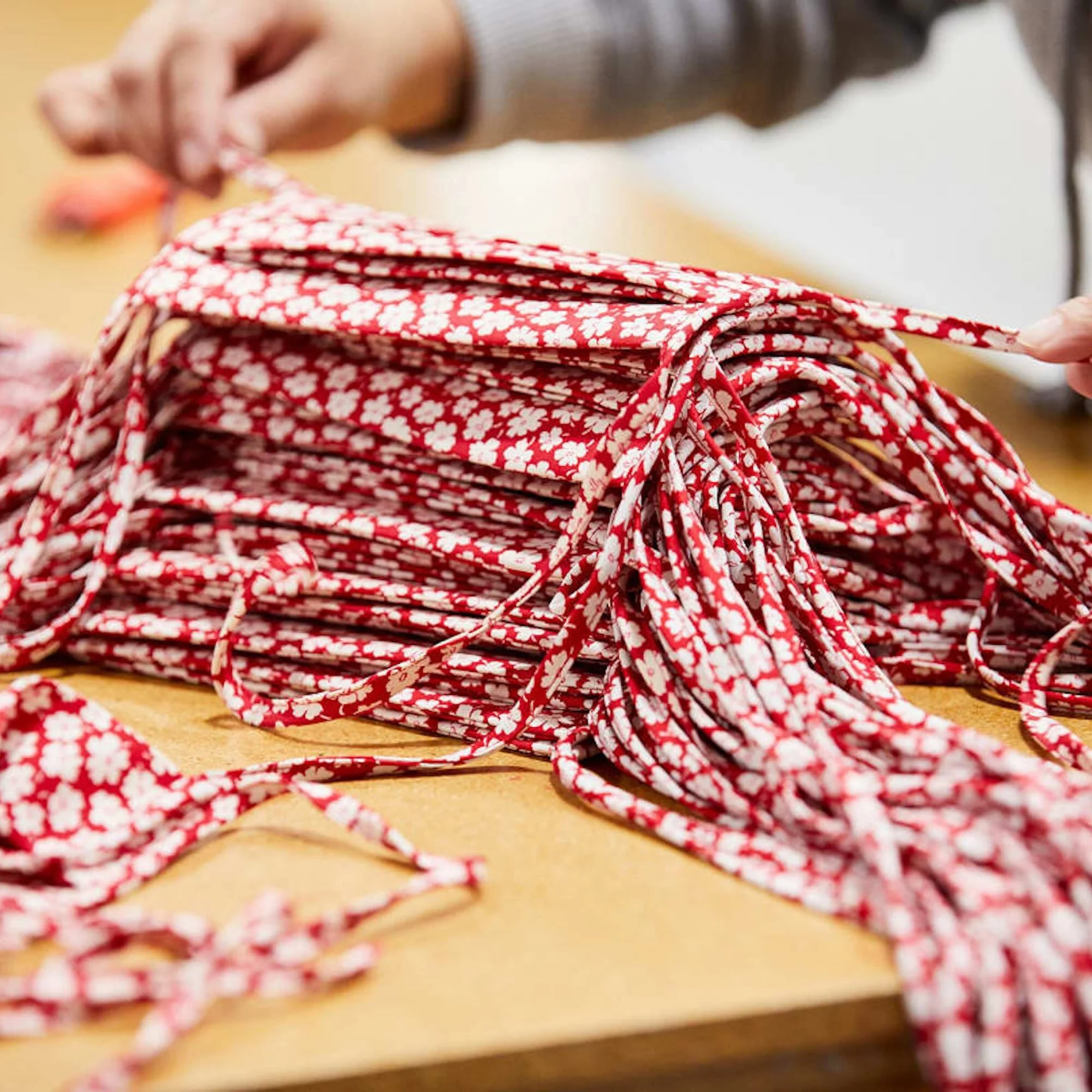

Communities lie everywhere, now due to connecting remotely, this new way of working has brought more people to the table— from different timezones and different levels of society without elitism or snobbery. As we heard from the webinar panel, the fashion sector must continue in this trajectory where we no longer have to mask who we really are to get our foot in the door.

Representation and inclusivity are vital for our society to ensure human rights are available to everyone. In the most it is minority groups and those disadvantaged backgrounds who are unable to fully benefit and exercise their human rights. Universality is key, hence Fashion Roundtable focus on representation and inclusivity.

The Immigration and Social Security Co-ordination (Eu Withdrawal) Bill 2019-21 was introduced by the Home Secretary Priti Patel, in the House of Commons and it was given its First Reading on 4 March 2020. On the 18 May 2020, the Bill passed the Second Reading with 351 Ayes and 252 Noes. The Bill does not set out the future immigration system, which will apply to EU and non-EU citizens who move to the UK after the transition period. The future immigration system will be provided for in the Immigration Rules.

Under the government’s new policy of contact tracing, millions of people in the UK will soon be asked to monitor their movements to limit the spread of coronavirus. While this is clearly a vital step in controlling the pandemic, we should stop to assess the risks of tracking everything from where we have been to our social interactions. In a bid to decipher the key issues in this debate, we’ve asked Ivana Bartoletti, Technical Director of Privacy at Deloitte and author of the upcoming book An Artificial Revolution: On Power, Politics and AI, to share her expertise.

“From my experience in running an up-cycled children’s studio and regular mending workshops, I’ve seen micro-communities forming where people will pass on caring and mending tips. Mending has a set of values that anticipate the need to preserve and covet our belongings and knowledge – something that we have lost touch with, but now is the time to salvage these skills.”

The pandemic has given the industry an unprecedented window of time to slow down, offering a welcome respite from its break-neck speed of output. What is becoming clearer is that sustainability can’t continue to be treated as a voluntary initiative, a “nice to have”. Instead it needs to be an attitude which is reflective of acting in a responsible manner.

Kate Auguste presents key takeaways from last week's Fashion Roundtable X COVID-19 Webinar— all centred around the question, what does "The New Normal" look like for creativity?

Covid-19 hasn’t created a new existential crisis in fashion. But it has highlighted the one we were working through at our leisure. Now we have been forced to confront parts of the industry that weren’t working, weren’t efficient and weren’t creating value, at speed.

The COVID-19 crisis has seen us adopt the ‘make do and mend’ mentality our grandparents espoused in times of rationing— self-sufficiency is no longer a “woke” trend but a genuine need. When we finally find ourselves in a post-pandemic world, and are once again thinking about Brexit, it’s important to remember that the zero-waste approach must apply to people too— in all sectors.

Since the lockdown began over a month ago, the demand for loungewear has soared by 322%. As more and more of us grapple with working from home, comfort has become key. But, with many of the Autumn/Winter shows being cancelled, what does this mean for fashion going forward?

Suzi Delaney, Founder of Rplanet, presents key takeaways from the Fashion Roundtable X COVID-19 Weekly Webinar— all centred around the question, what does The New Normal look like?

For every environmentally and socially conscious Gen Z consumer, there is another shopping for fast-fashion on their phone. This need for cheap, fast-fashion is a direct result of the extreme pressures faced on social media to look good and to shop ‘new’ even in times of a pandemic. In order to change the way the next generation of consumers approach fast fashion, we must put ethics and sustainability above profit-making.

We are posing the question what is "The New Normal" on our Friday webinar and I am interested to hear what people would like our lives, our business and our economy to be when we leave the lockdown.


The temporary closure of High Streets and malls throughout Europe and North America is causing financial hardship that some brands will never recover from. But the knock-on effect stretches far beyond Western shores. Arguably those hit hardest are the garment-factory workers in South Asia who are reporting $3.02 billion dollars of cancelled or suspended orders from retailers.

Behind the scenes we have been busy lobbying for the fashion and textiles industry across a number of different issues and across several different Whitehall departments.

Updated Information on the Coronavirus Financial Support deployed by the Government. Including information on available Grants, Tax and Rates, Reimbursements and Loans.

As the fashion industry has been upended with lower volumes, idle workers and restless energy, brands have turned their efforts towards doing what they can to help tackle the Covid-19 pandemic. Here we take a look at the relief efforts across the world.

Currently we are working from home and around the clock to ensure support for the fashion industry and wider afield during the pandemic. While the lines between the days are becoming blurred, we are grateful for the strength amongst our community.

“Like many other fashion freelancers in the UK, this has been a nail-biting couple of weeks for me. Since Covid-19 hit the UK, all of my talks and workshops have been postponed, all freelance hours have been cut, leaving me with very little income until normality commences.”

We examine what are ‘essential and non-essential’ jobs during the COVID-19 pandemic by looking at the conflict between government’s call for “business to carry on” under social distancing guidelines and the British General Union’s concerns for warehouse workers in fashion.

Kate Hills, Founder, Make It British: “We are working on finding all of the UK manufacturers that can switch production to provide an end-to-end solution for PPE that is made locally. Whilst the government is currently concentrating on importing these products, this is a short term solution. Once these resources dry up, which they will do as global demand increases, we will need to tap into the manufacturing base that we have in the UK. We have had amazing support from a diverse range of manufacturers and I have every confidence that the UK textile industry is able to adapt and be agile enough to cope with the challenges ahead.”

A universal scheme which supports all is what is called for, not a scheme which supports those in paid employment and not those in self-employed work.

If it is true that Coronavirus will be a watershed moment in the way we do surveillance, the we must uphold the values of law and democracy. And we need to rethink privacy as a common good so that we can appreciate the collective value of our personal information.

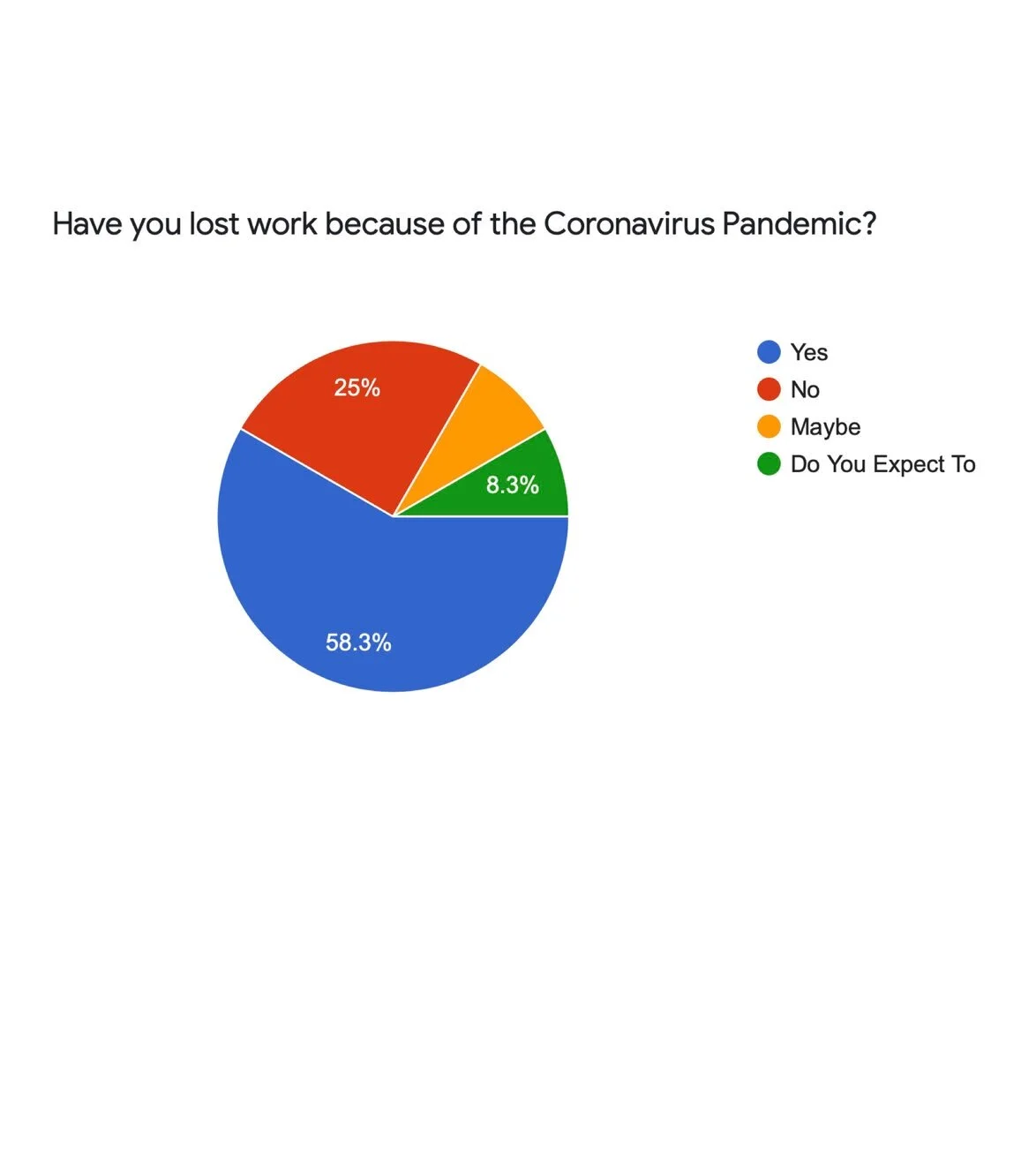

“Knowing Warhol in the 1980s, I’ve finally had the chance to witness the best interpretation of his work since his death. It was as if I was discovering a brand new artist, seamlessly exciting and enticing a new audience to his work.”

When our lives are disrupted, particularly on the scale we’re seeing with COVID-19, the uncertainty generates unease. Right now we are building new habits and if we take the time to build them on a strong foundation they will serve us well. We can use this time to think about what is important in our lives. Not what we should do or what we have had to do in the past. If we can carve a space for self-reflection in our day that will naturally lead us to feel more connected to our own emotions and help us to sit with our feelings.

The Coronavirus pandemic is forcing us to self-isolate, take stock and juggle the cold light of a new dawn, all under lockdown within our own homes. Tamara Cincik lays out the safeguards that must implemented to support fashion industry freelancers at this uncertain time, and how a fashion manufacturing network is aiming to create protective clothing for the NHS.

If freelancers and the self employed received 80% of their earnings based on last year's tax return and a stop on their rent and mortgage payments, plus utility bills, there would be a huge surge in confidence and a massive sense of relief. All of the sector are worried.


From the decline of fashion weeks to the acceleration of retail activity towards e-commerce, Selena Wu predicts how the coronavirus pandemic will affect the fashion industry going forward.

As a result of the fashion industry’s complex supply chains, consumers rely on the information that is provided by brands to make conscious decisions. Ecolabels serve to support and inform consumers in their attempt to make more conscious consumption choices.

When I received news from the EAC press team last week that fashion and textiles are not on the EAC's list of priorities, I read the announcement with shock and to be honest, concern. Fashion will not clean up unless policy, legislation and attention forces it to do so.

From protections for late or non payments, to insurance for up to £10,000 of lost or stolen work related items, now is the time to join BECTU.

Fashion Roundtable are keen to adjust to the ever shifting circumstances of the global COVID 19 pandemic. In light of this, we are postponing all of our events, both those hosted at The Houses of Parliament for the APPGs and also our own Fashion Roundtable calendar of events

Age isn’t indicative of your style tribe, so why do retailers continue to segregate their consumers by maturity. Shoppers are sectioned off into age ranges as if our buying patterns, motivation, and lifestyles are homogenous and based solely on how many years we’ve been alive. This isn’t the case.

The widening spread of COVID-19 has caused some concern about its long-term effects on both the economy and climate. In the case of a prolonged downturn, the finance community must safeguard the most vulnerable sectors through targeted economic interventions. With its reliance on global supply chains and international markets, the fashion industry looks particularly vulnerable to the immediate effects of COVID-19.

From ancient tradition to high fashion inspiration, the V&A’s new exhibition examines the cultural significance of the Japanese Kimono.

Our Fashion Director explores the key trends and aesthetics of the Autumn/Winter 20 collections at Paris Fashion Week. Take note…
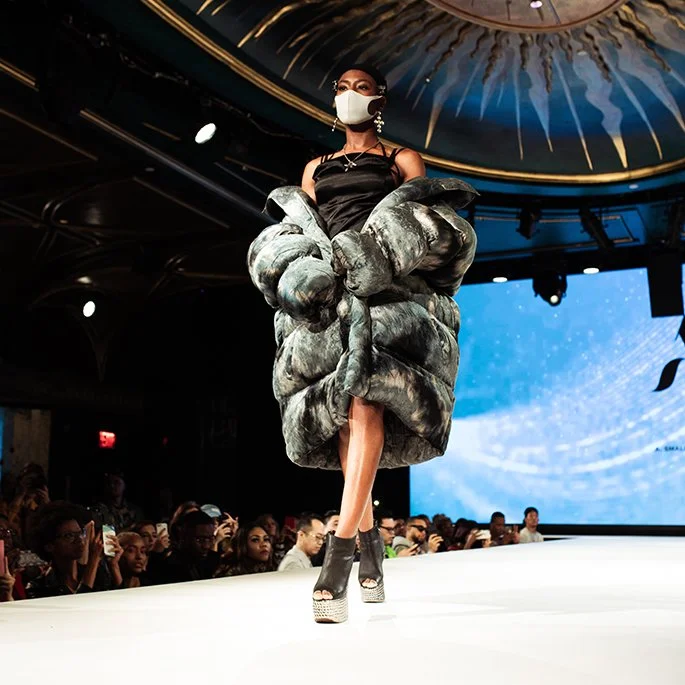
We are nearing the end of fashion month and the Coronavirus outbreak has reached Europe, bringing with it further disruption to the fashion world. Right from the start of the outbreak in China, we have faced the effects on our supply chains and now on our commercial activities. Here we take a look at what has happened so far.

Fashion educators across the UK are on strike; taking action in response to wage inequality, increasing workloads and stress, casualisation of employment and real term pay decreases. 74 institutions in the UK are into their third week of action after members of the University and College Union (UCU) voted for 14 days of planned strike action.

From unsafe factory conditions and toxic chemical exposure to sexual harassment, workers can face many human rights abuses in the workplace. The United Nations Guiding Principles on Business and Human Rights (UNGPs) therefore introduce three main pillars on which action needs to be taken to prevent, address and remedy the abuses committed in business operations.
“Since the pandemic began, I’ve seen a fairly even split of creative energy. Some have totally immersed themselves, whilst many of us have felt particularly restless and claustrophobic, without a clear road or plan ahead.” Here Meg Pirie shares how she has learnt to reignite her creativity post-lockdown.

Future-proofing your business decisions, adjusting your planning and understanding the implications of governmental budget is a tall task. This is why we have brought together an incredible panel for our upcoming breakfast event on 31 March at Allbright, Mayfair to address these complex topics.

London Fashion Week gave us life this season and the designers turned up their game 200 percent. It was electrified to such a level that Milan and New York must now pay full attention.

Today sees the first meeting of the newly formed All Party Parliamentary Group for Ethics and Sustainability in Fashion (ESF APPG) with Fashion Roundtable working as the secretariat, working closely with Baroness Lola Young of Hornsey, Hubbub and CSF.

London Fashion Week has long held the reputation of being arty, wild and more unconventional when compared with the other main fashion weeks. But over the past few seasons, more buyers have given London a miss and the BFC have decided to focus on consumers. As we face this paradigm shift, a new crop of designers are coming through but are facing the difficult task of marrying commercial sensibilities with their urge to be unorthodox.

By 2050, 26% of the global carbon budget will be used up solely by the fashion industry. The continued degradation of natural resources will diminish the prosperity of the fashion sector and in turn have an adverse effect on the world economy. In light of a new report by WWF, we examine how the environmental crisis will have widespread economic implications for fashion.

In 2015, the UK implemented the Modern Slavery Act to prevent and prosecute modern slavery and protect victims. Initially it was internationally praised for its breakthrough in corporate transparency… But four years later the Business & Human Right Resource centre finds that the act has failed to deliver the transformational change that many of us hoped for.

Synonymous with special occasions, Red Carpets and New Year’s Eve, sequins are a fashion industry favourite when it comes to sparkly embellishments. But the waste and pollution created throughout the lifecycle of a sequin is becoming harder to ignore. So, is there an eco-friendly alternative?

“Some of his shows will stay with me forever, from watching Shalom Harlow being sprayed with paint by a robot, to Erin O'Connor in a perspex box. I was always excited by his early London shows and never disappointed. When McQueen shows moved to Paris, they were grander but always exciting.”

Karen Binns was recently joined by Jaime Jarvis, Zeinab Batchelor and Jake Hall at SHOWstudio to discuss the LaQuan Smith A/W 20 womenswear show. The panellists debate LaQuan Smith's longevity as a brand, as they discuss why the collections garner such Instagram appeal and the future of black designers in America.

By Christine Megson, one of the founders and co-ordinators of the Fabian Women’s Network mentoring Programme and a Vice-President of the Fabian Society

Who are you, how do you see yourself and where are you going? This question has been key to our work at Fashion Roundtable especially with our advocacy on Brexit which is rooted in identity politics and a crisis of individuality.

The Better Brand Consultant Eleanor O’Leary shares three simple things she is doing to take the busy-ness out of business and embrace a slower pace of working. This means communicating in a way that cuts through the noise rather than adding to it, and tapping into the times when we are collectively switching off.
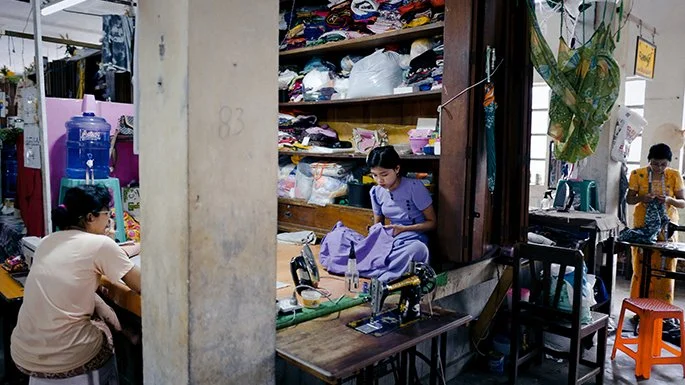
The fashion industry will be vastly affected by our new relationship with the EU. As low pay continues to be the status-quo in the garment sector, we must call for strong international regulation that legally obliges companies to guarantee a living wage across their supply chain.

Ahead of PETA’s 40th anniversary next month, Fashion Roundtable examines the organisation’s turbulent relationship with the fashion industry— from their 1993 raid of the Vogue offices to last week’s announcement that iconic British fashion label Paul Smith will ban exotic skins from all its future collections.

Fashion Roundtable were invited to take part in The Sustainable Angle’s Future Fabrics Expo where we hosted a stall. I was moved to see our leaflets and work being shared by our amazing stall team with all those who attended.

“Ahead of his time” is a phrase that defines Gaultier, with collections that were some of the first to blur the accepted lines of gender. Not only did he challenge gender stereotypes, but he did it in the best way possible by subverting classic male dominated outfits like suits.
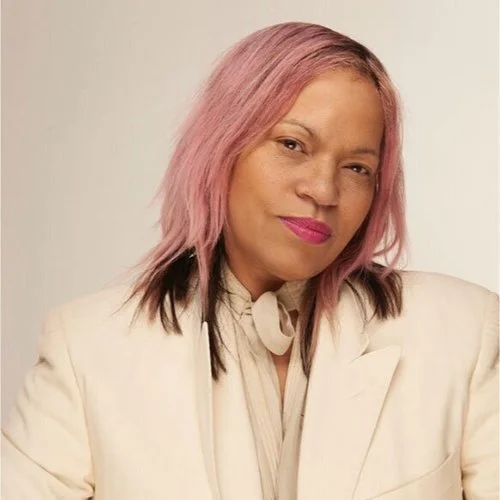
Milan has become much more exciting this season in menswear. They’ve embraced the importance of individuality in their collections— more colour, more new shapes. Meanwhile, Paris went into a genderless mode without speaking the word. It showed how the beauty in menswear can be taken a bit further without losing its identity.

As New York Fashion Week approaches, the landscape of American fashion faces the most turbulence compared to any other of the fashion capitals. From Tom Ford now opting to show his latest collection in Los Angeles, to the bankruptcy of beloved Barneys after almost a century in the retail business.

It’s fair to say this has been a busy week. From being interviewed by The Sunday Times Style and Vogue Business, to taking part in a podcast about manufacturing and Brexit for Make it British.

Influence was the key theme for Fashion Roundtable’s recent ‘The Power of Influence’ event that brought together leading change-makers to share both their personal and professional insights.

Ahead of Anne-Marie Curtis speaking at Fashion Roundtable’s The Power of Influence event, we take the opportunity to ask her a few questions about luxury fashion and the issue of sustainability. From the evolving role of fashion magazines to the relationship between fast and luxury fashion, she raises many important points about where the sustainability conversation is headed next.
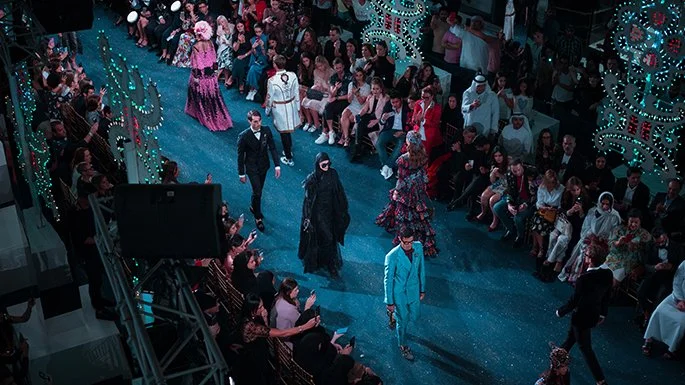
As flexitarians have ventured into the new year on a plant-based diet for Veganuary, the fashion industry too is breaking with some traditional habits for the sake of the sustainability. The industry’s tradition of hosting ostentatious catwalk shows is facing a dramatic revolution.

Ahead of Baroness Young OBE speaking at Fashion Roundtable’s The Power of Influence event, we take the opportunity to ask her a few questions about her career, motivations and any advice on how individuals can get involved in politics.

Fashion Assistants will now be able to take out BECTU’s insurance on items they carry as part of their job, PLI and for accidents at work – covering for loss of wages. Fashion Assistants are the archetypal targets for exploitation: a glamourous industry attracting young people, for whom a decent wage is not the primary draw.

Ahead of our upcoming event on The Power of Influence, Fashion Roundtable's Political Expert Navjyot Lehl explores how individuals can get involved with political activism. From social media to attending parliamentary committees, there are many ways to ensure your voice is heard.

Our Founder and CEO reflects on a month of exits— with Brexit fast approaching when we finally leave the EU and officially enter into a 10 month period of trade negotiations. We also have "Megxit" as The Duke and Duchess of Sussex announce their plans to resign as senior royals and live transatlantically, with all the ramifications this will entail.

As we enter a new decade in a time of political turbulence, menswear designers took to the London catwalks to present their AW20 collections. A handful of which had their own individual statements to make, and messages that touched upon topics further than the borders of the brands, and the designers themselves.

Never, in the history of fashion, has there been so many women dictating how men should look…

Back to school, back to work, on the juice diet, or off the wagon. This week is all about facing up to those resolutions and seeing whether we can keep them…