
When Your Wardrobe is a Masterclass in Diplomacy.
Why a visit to "Queen Elizabeth ii: Her Life in Style" at Buckingham Palace is just that.
I was invited to attend a VIP breakfast opening of Queen Elizabeth II: Her Life in Style at The King’s Gallery, Buckingham Palace, for the largest exhibition of the late Queen’s fashion ever exhibited. The show will remain open until October, celebrating what would be the centenary year of her birth. The rooms tell her story in clothes, from a childhood dressed in sweet dresses by Jeanne Lanvin, it shifted when she was heir apparent to a life-long loyalty to all brands British. From her iconic off-duty uniform frequently copied, rarely mastered, of Burberry trenches, Barbour raincoats, silk headscarves, cardigans, kilts and pearls worn with fitted jackets in Harris Tweed.
I was at the London Fashion Week show where the late Queen surprised us all in her elegant pale sparkly tweed duck egg blue suit, watching as Richard Quinn showed a collection which definitively nodded to her back catalogue of head scarves. A usually jaded fashion audience was at peak excitement, something I shall never forget.
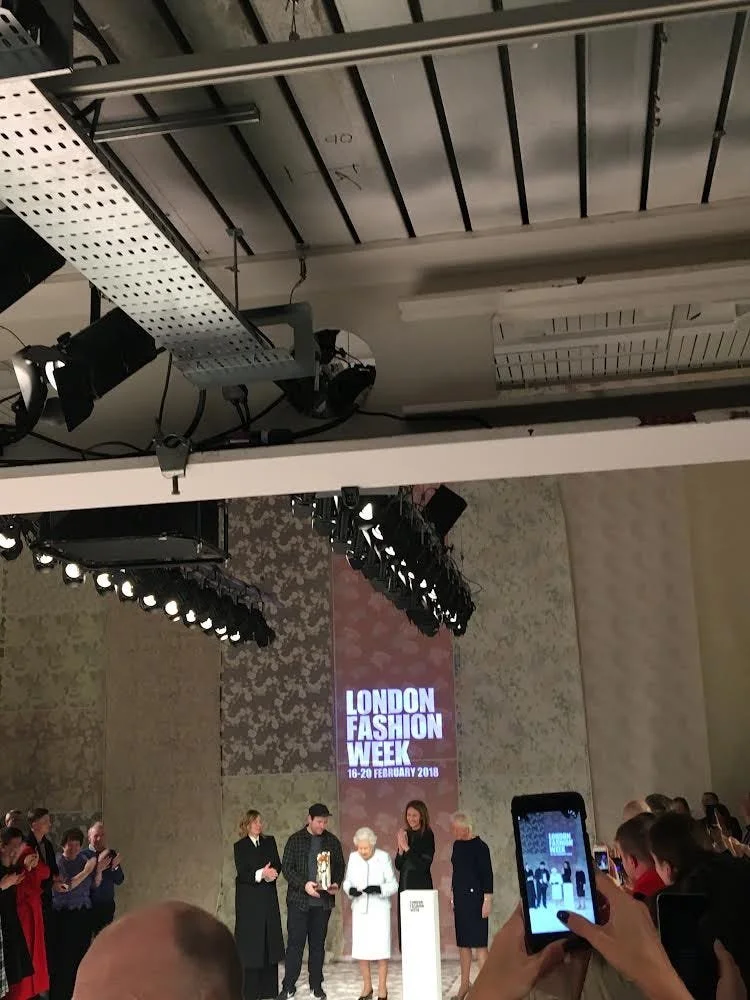
Ph: Tamara Cincik, left to right, Sarah Mower MBE, Richard Quinn, Queen Elizabeth ii, Caroline Rush CBE, Angela Kelly CVO.
Throughout her 70-year reign, the late Queen worked with a roll call of British talent: Norman Hartnell, Hardy Amies, Ian Thomas, and later her dresser Angela Kelly (who was with her at London Fashion Week), and Stewart Parvin. The Queen was a sartorial masterclass in clothes as cultural diplomacy, she consistently wore British designs, natural British fibres, such as wool and tweed. This was intentional to promote Brand Britain. And yet unlike Paris or Milan, where the fashion houses have in the majority survived for decades, in London, those houses she helped elevate largely no longer exist.
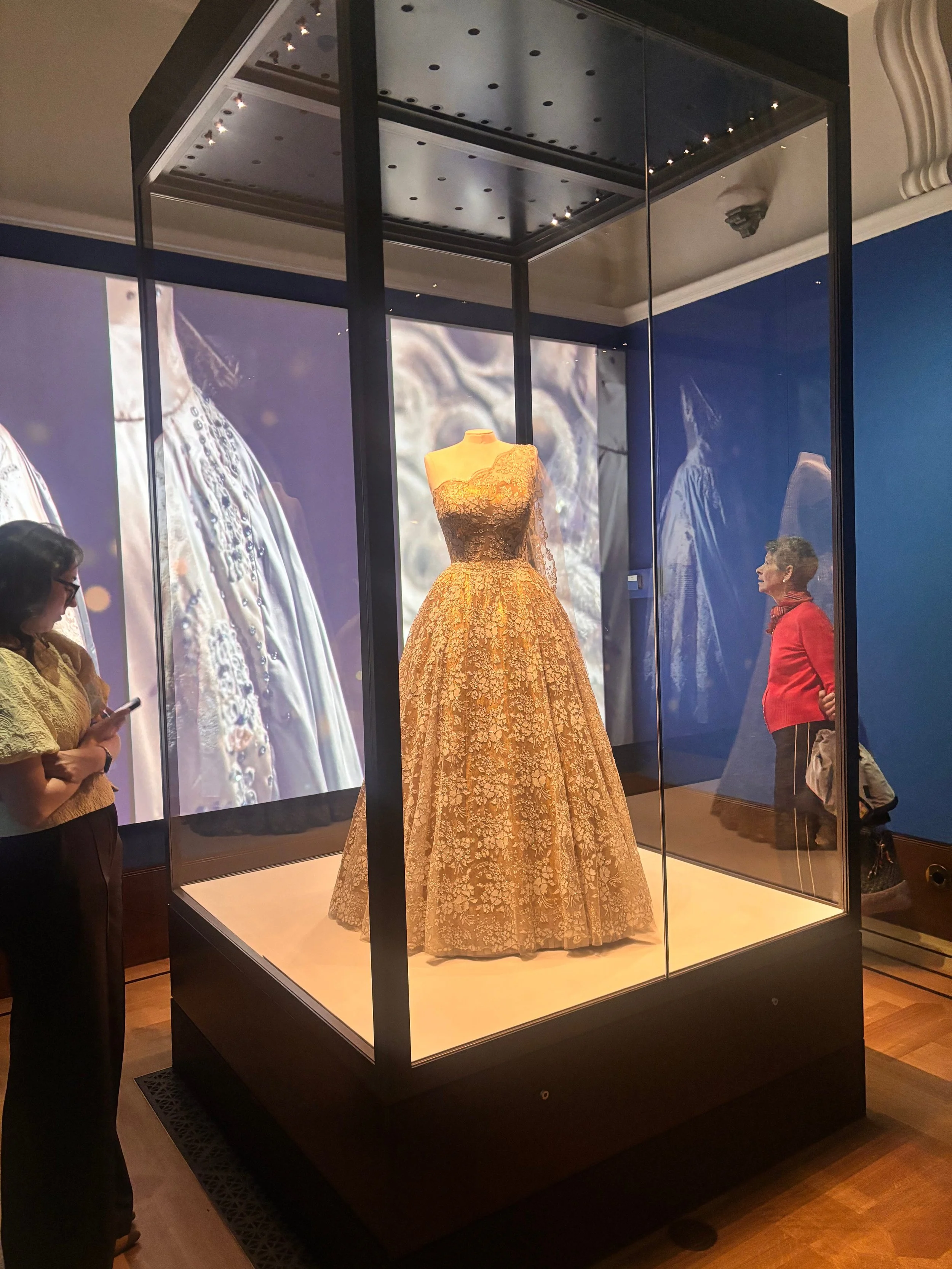
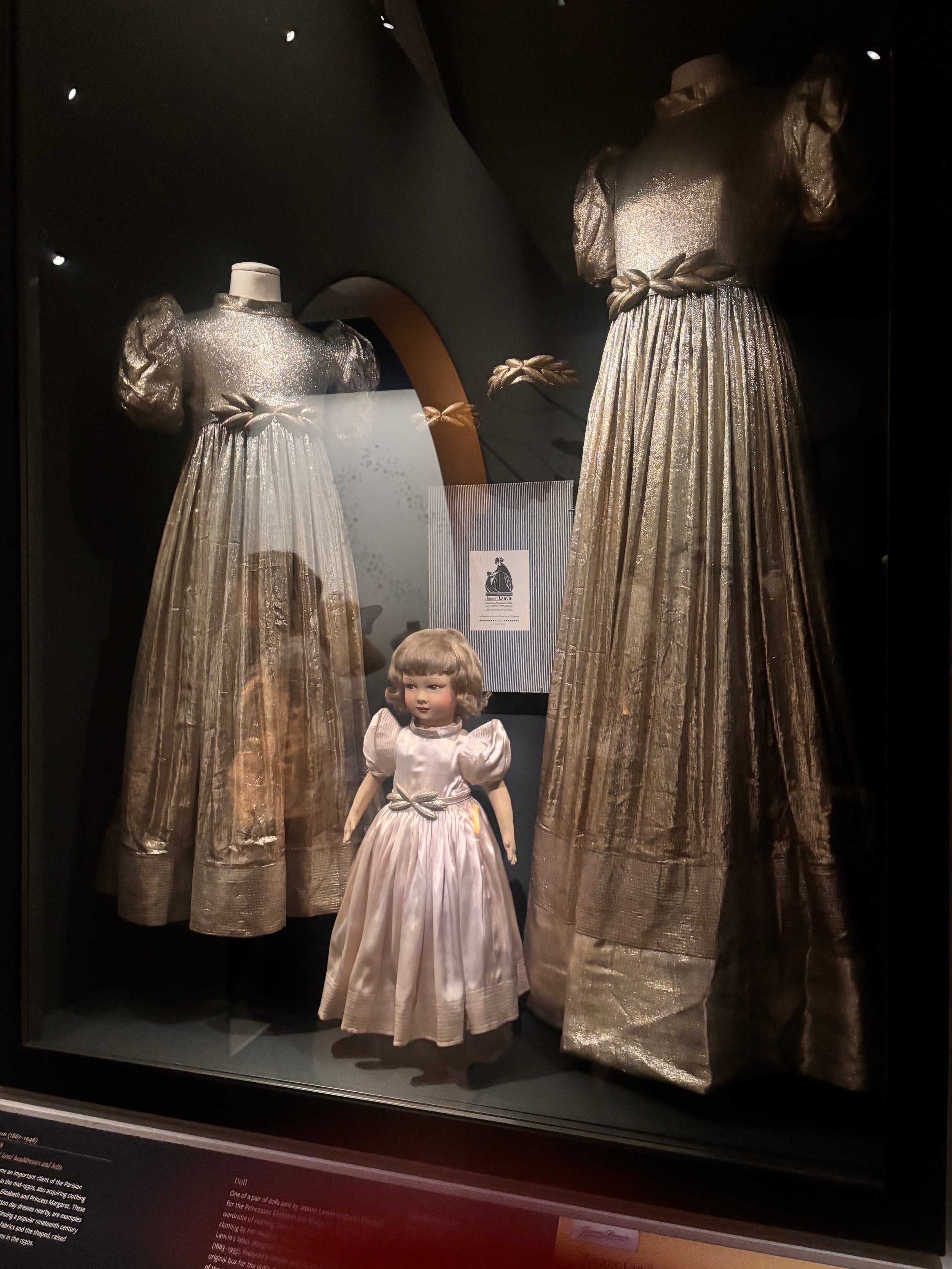
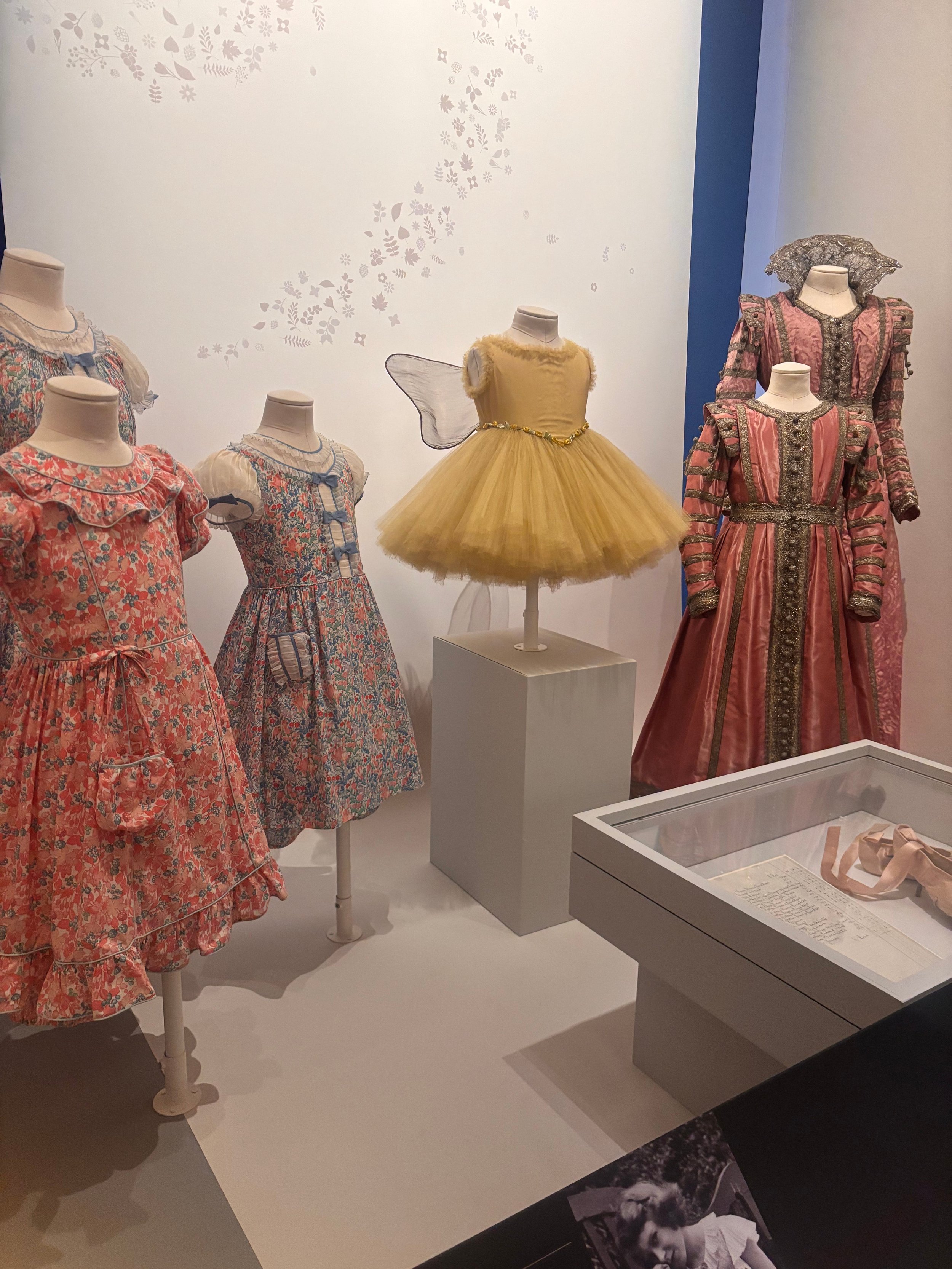
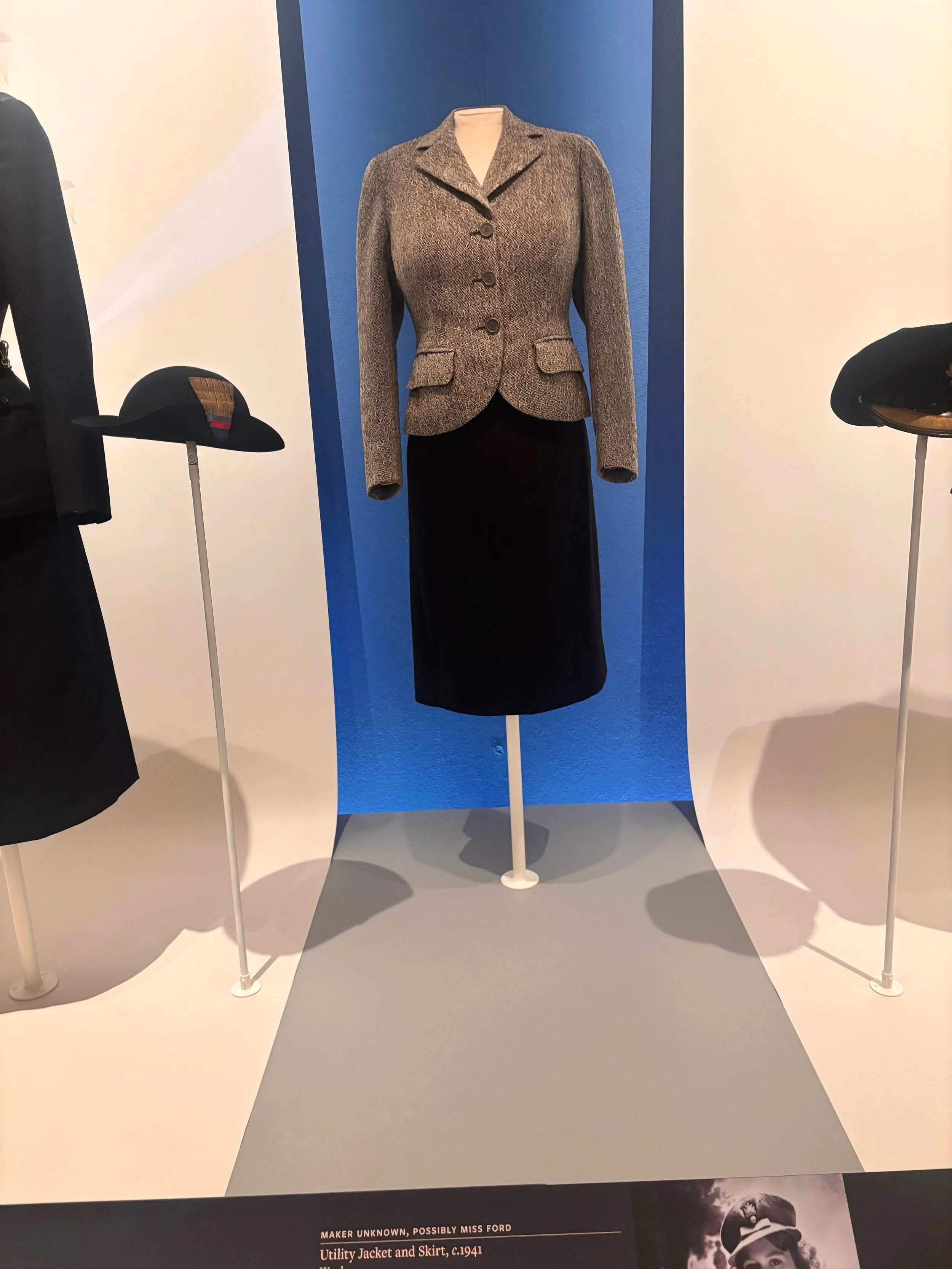
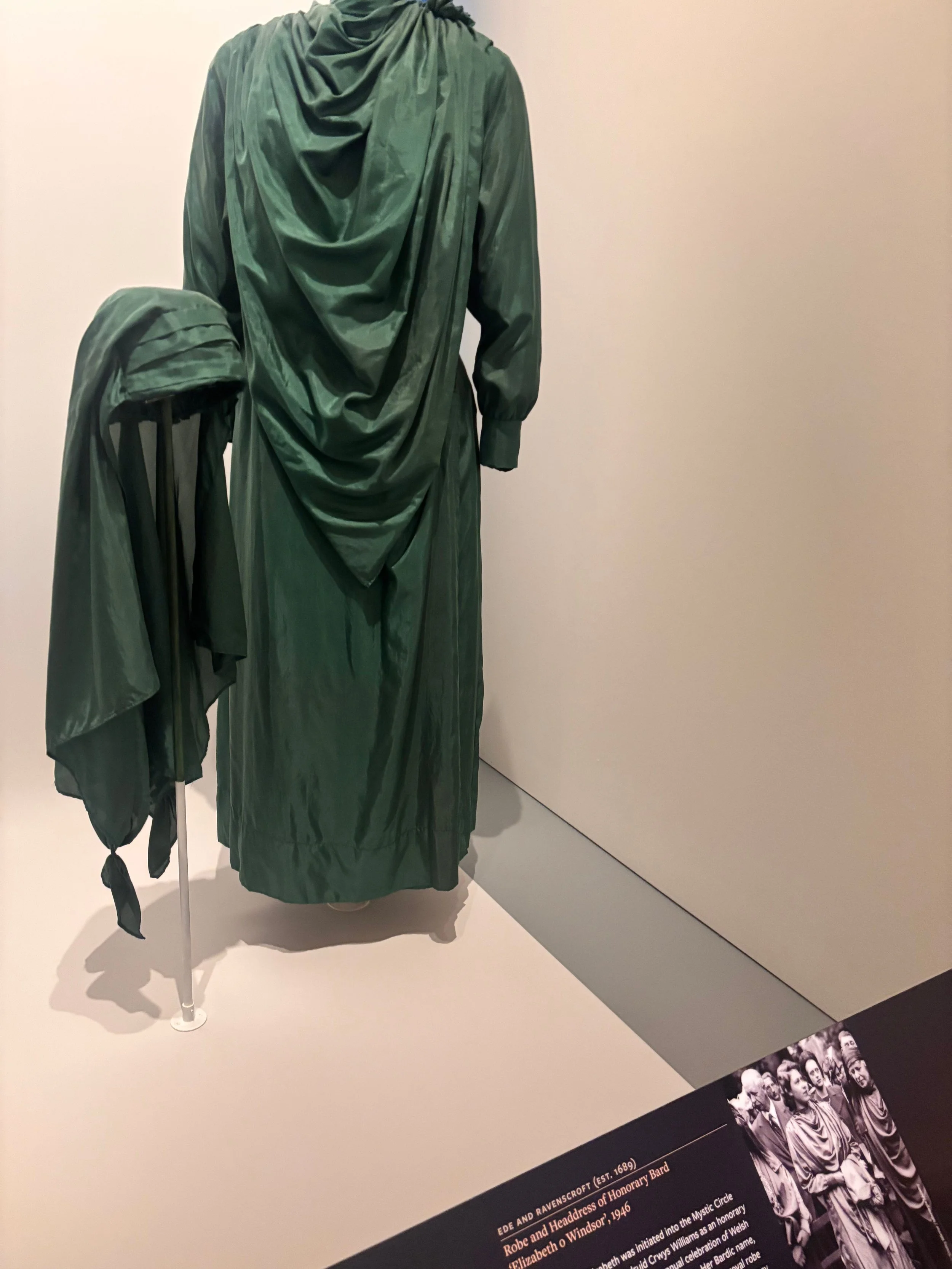
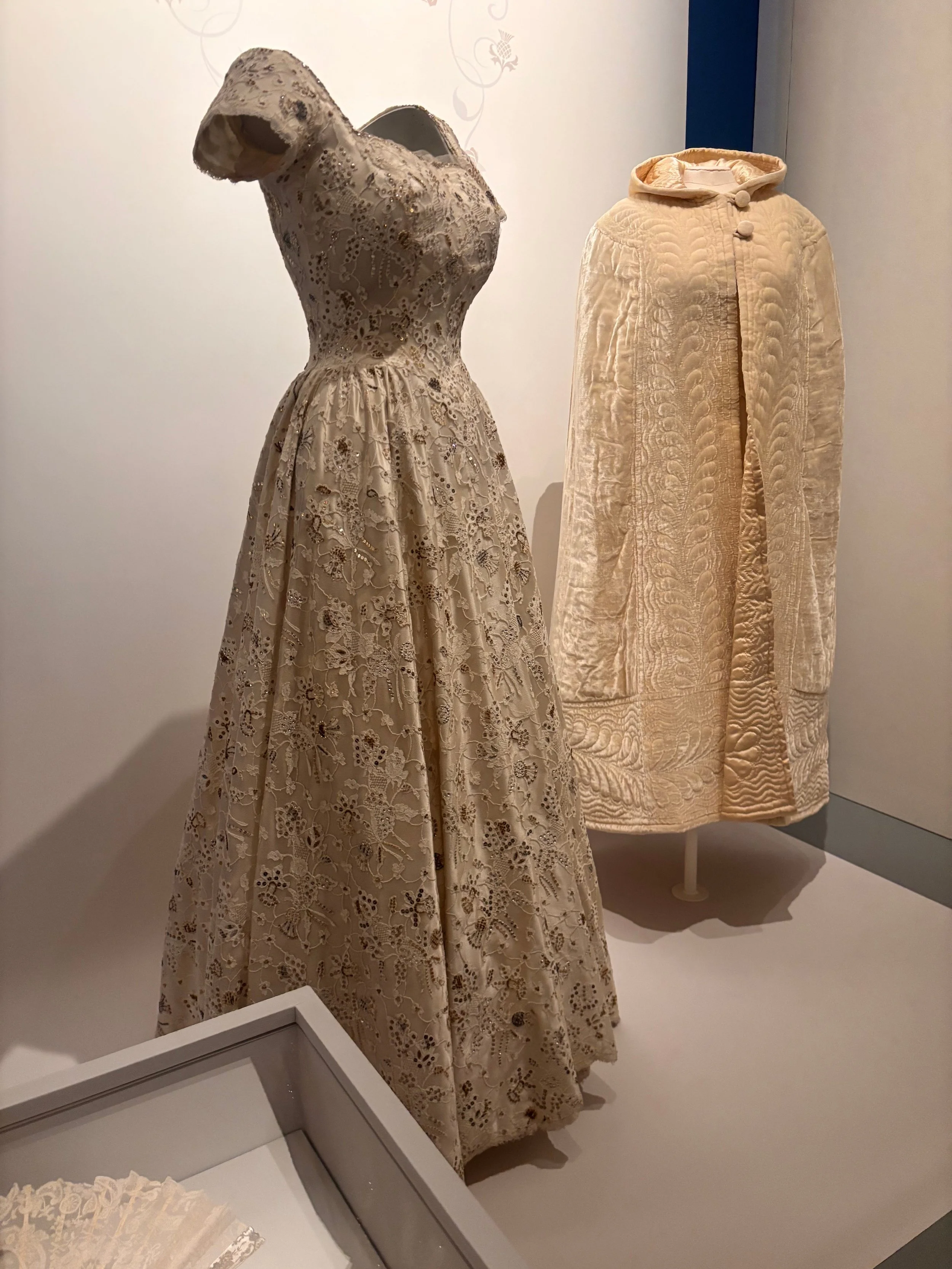
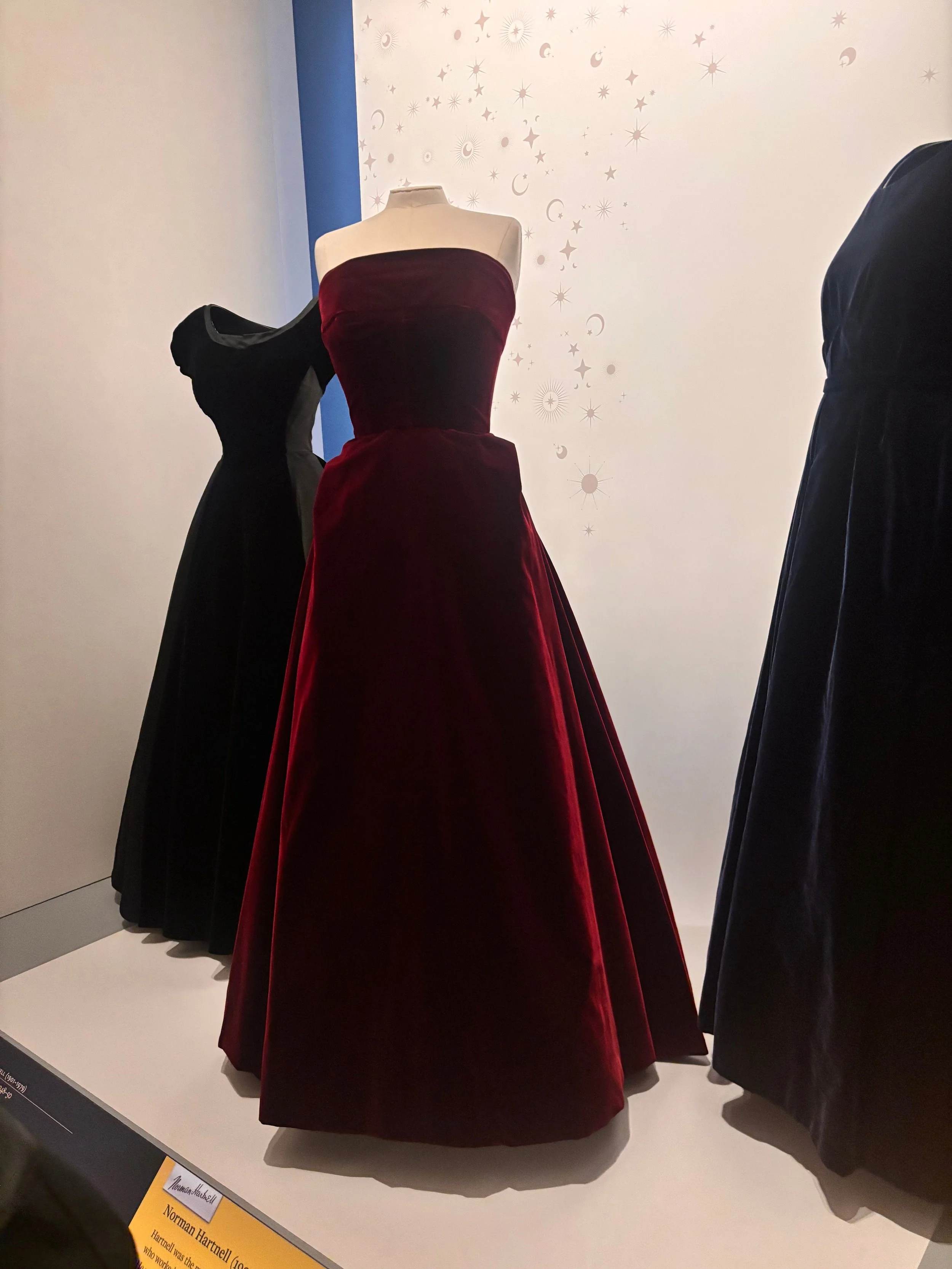
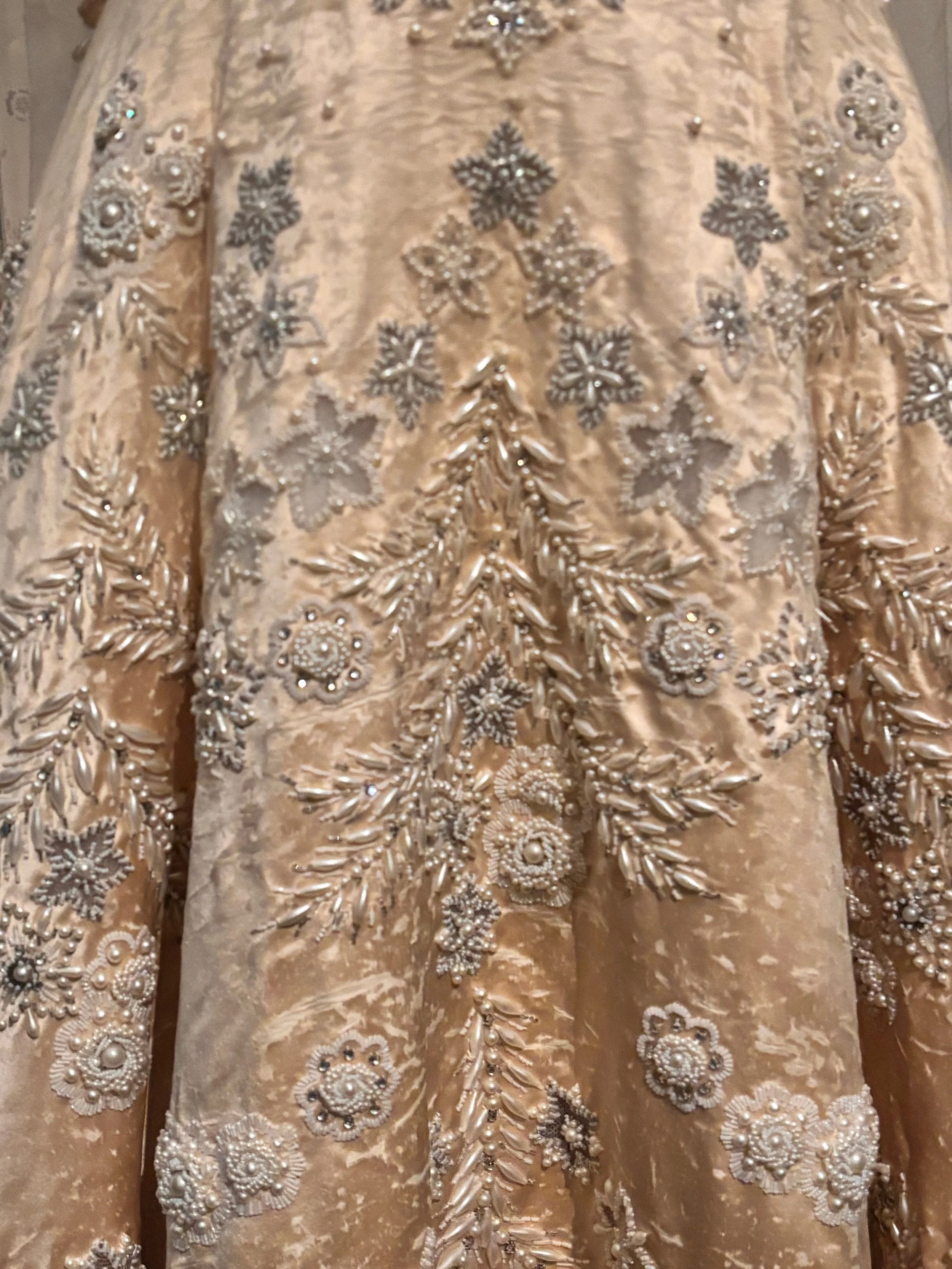
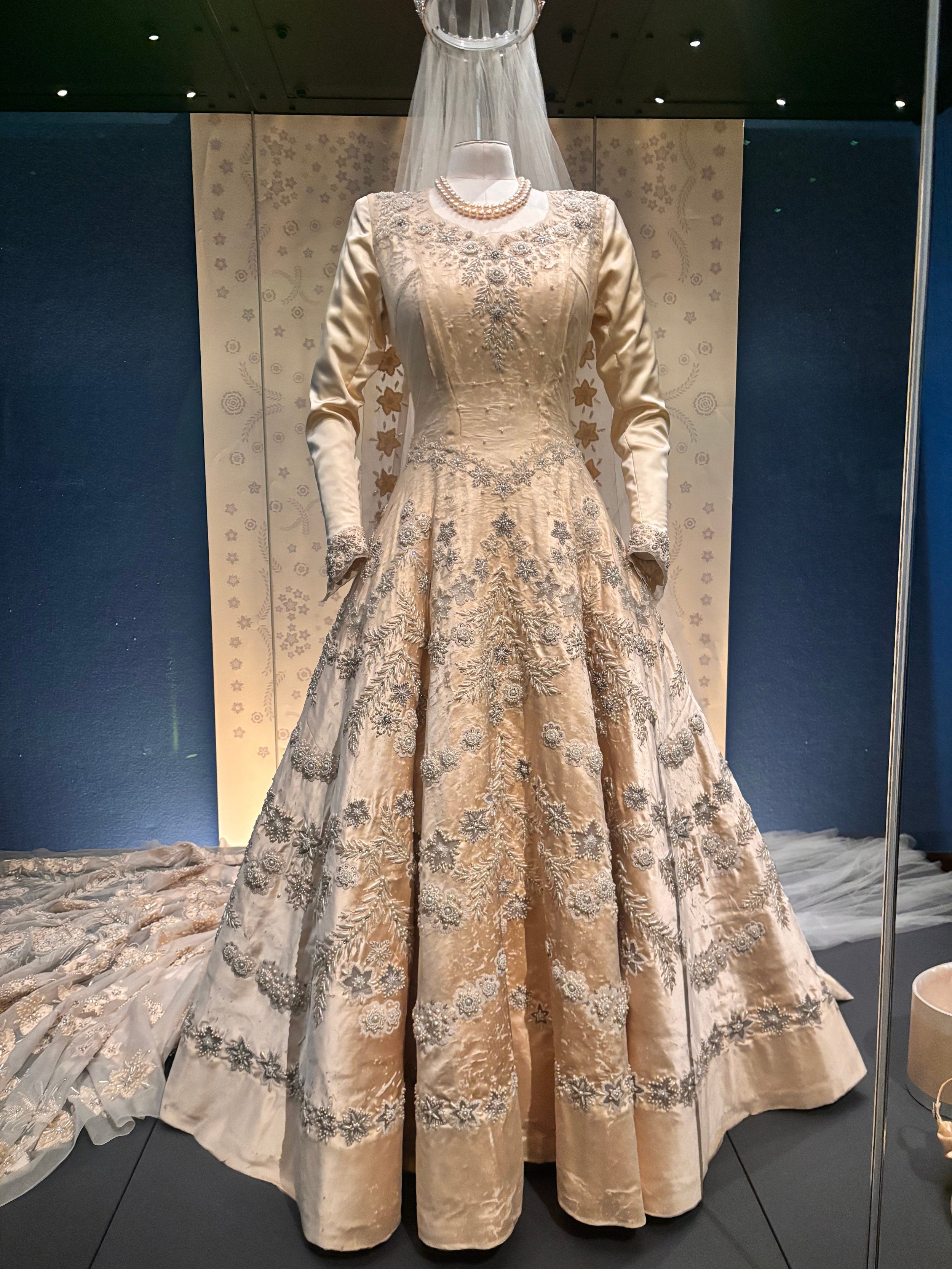
Norman Hartnell, was the designer who repeatedly dressed her from her time as a Princess to Queen. He designed her 1947 wedding dress (using 350 embroiderers, three months, 10,000 hand-sewn seed pearls) and her 1953 Coronation gown. His house closed after his death in 1979. Hardy Amies, who began designing for her in 1951, and redefined her daytime wardrobe for five decades, saw his house eventually sold, bought it back, sold again only to go bankrupt in 2008.
The Incorporated Society of London Fashion Designers (ISLFD) after World War two aligned with the Chambre Syndicale de la Haute Couture in Paris, to enable cash rich international buyers to purchase their collections. So far, so business savvy, with designers a rollcall of British post war fashion: including Hartnell, Amies, Lachasse, Victor Stiebel, and Molyneux. The Queen actively supported them, attending shows in the 1940s and 50s, but by the late 1970s the ISLFD had dwindled to just three members, as the UK market saturated with ready-to-wear. These were the backbone of British couture and one by one, they closed.
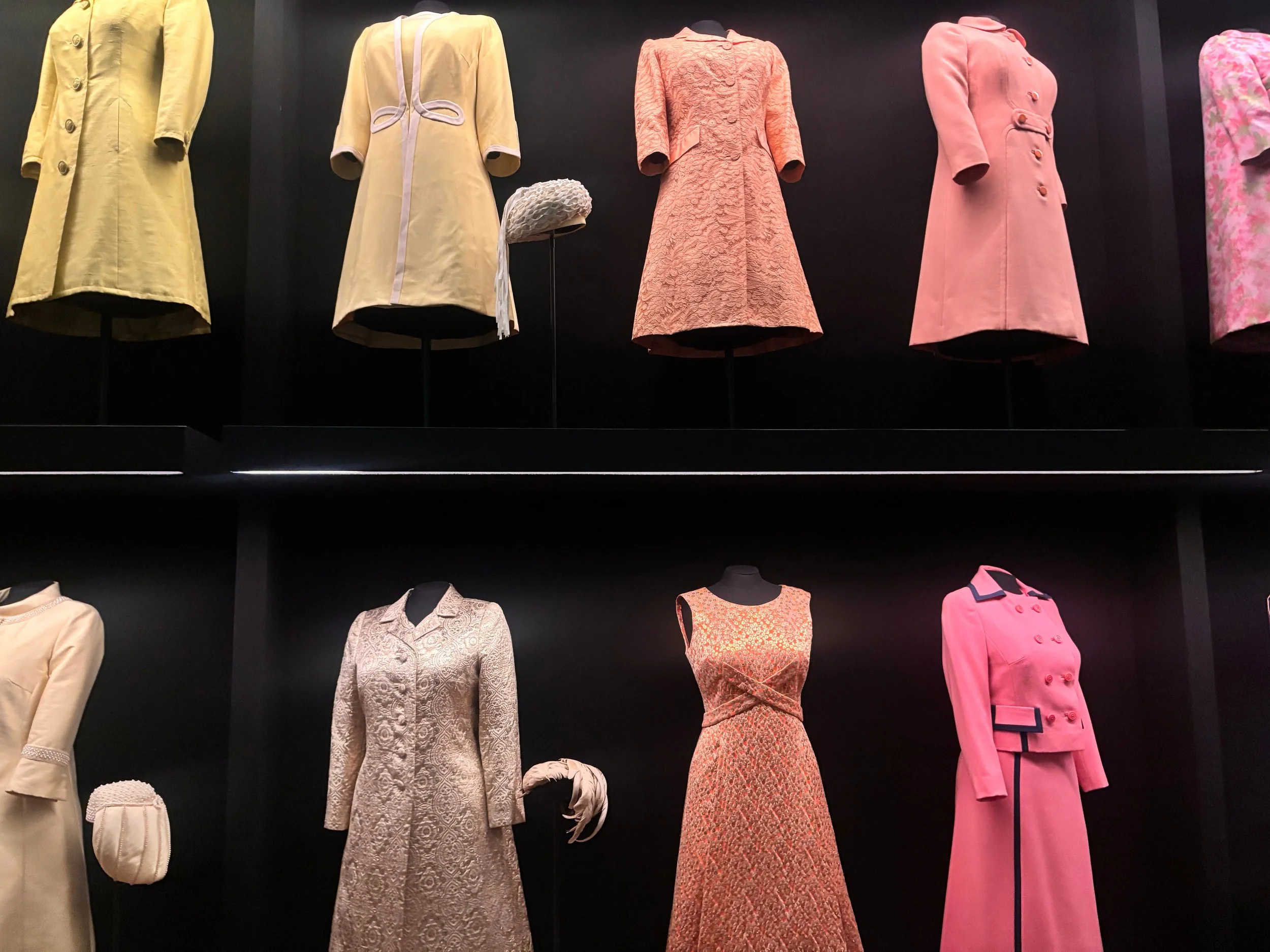
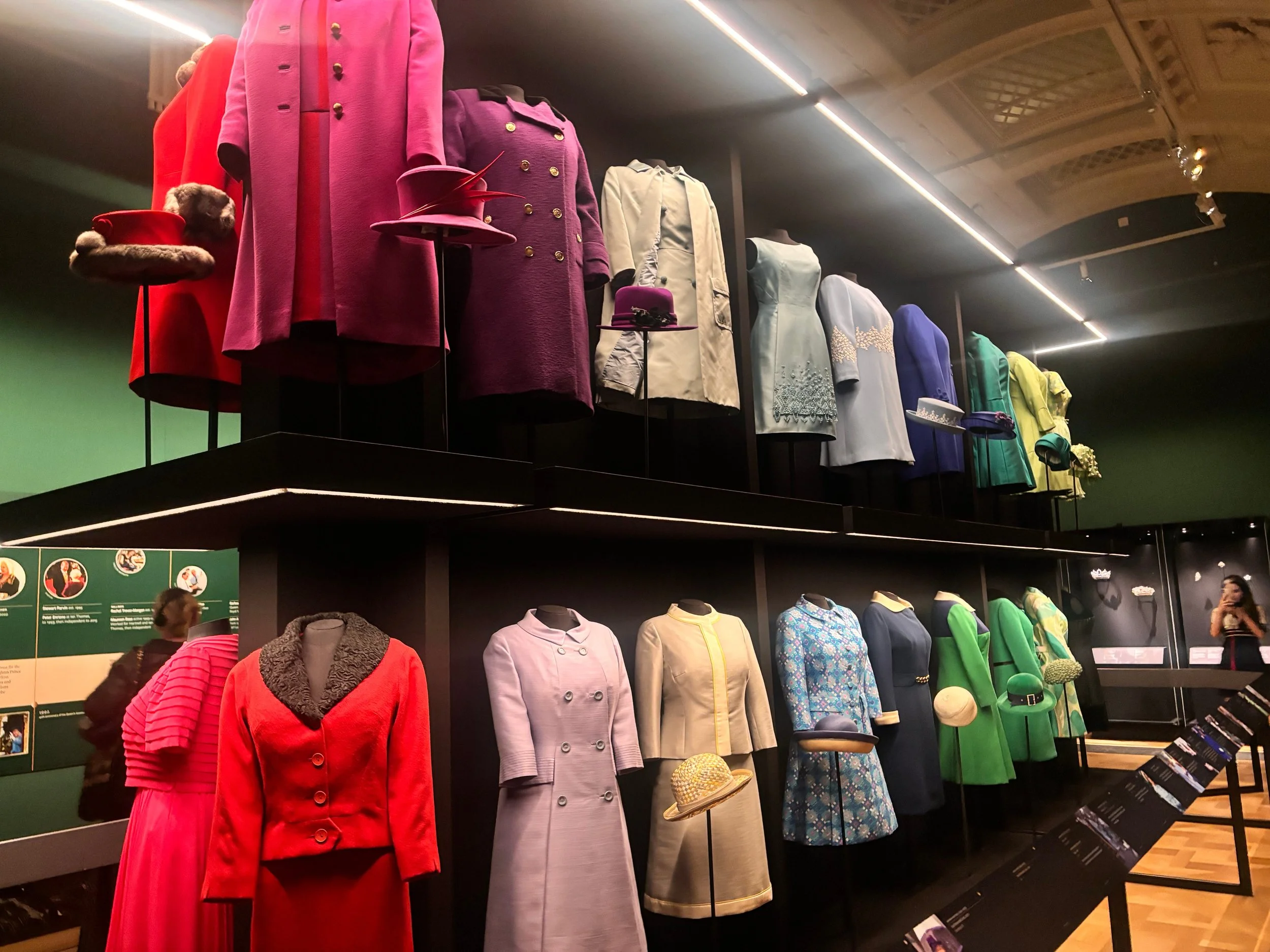
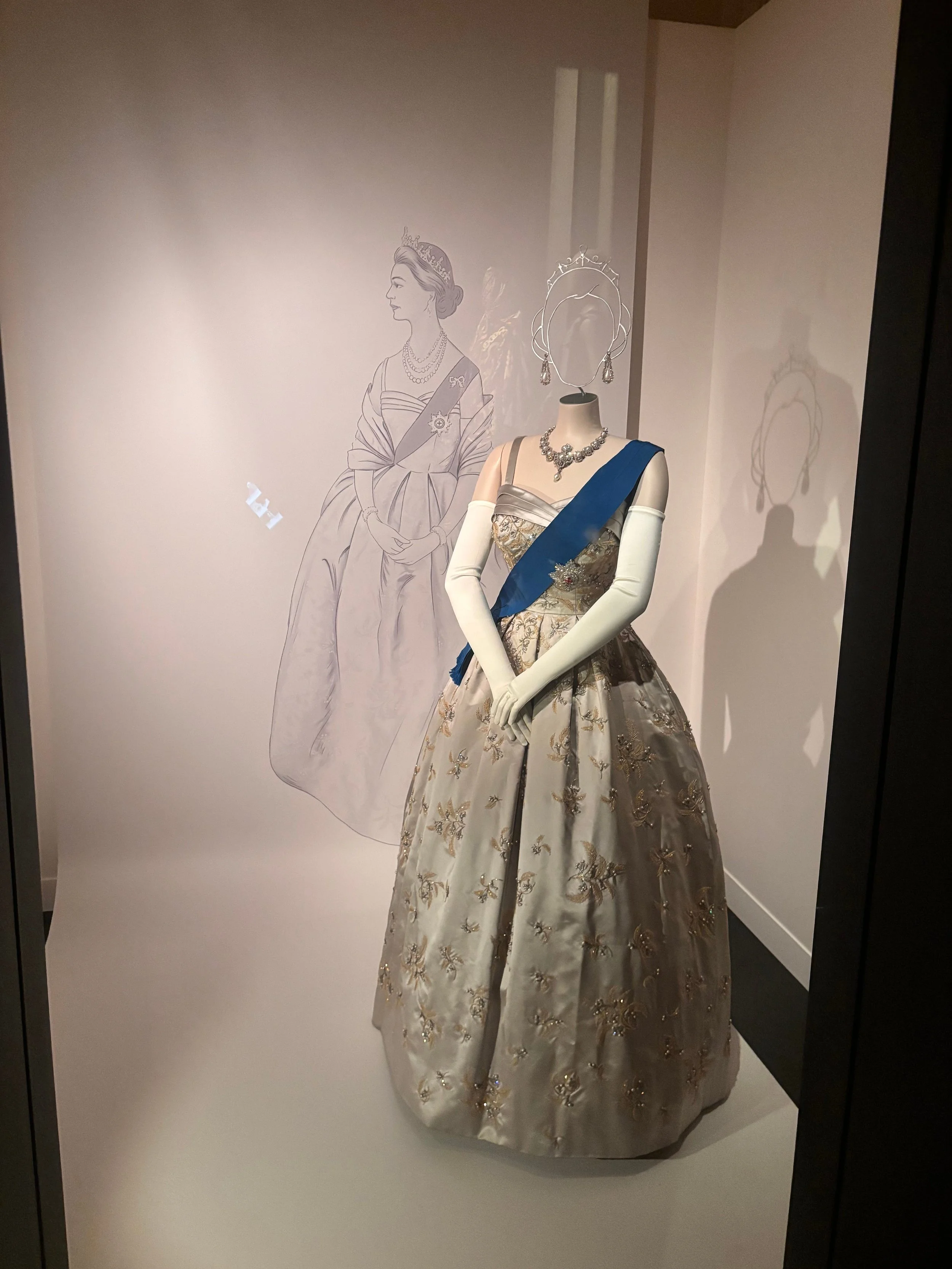
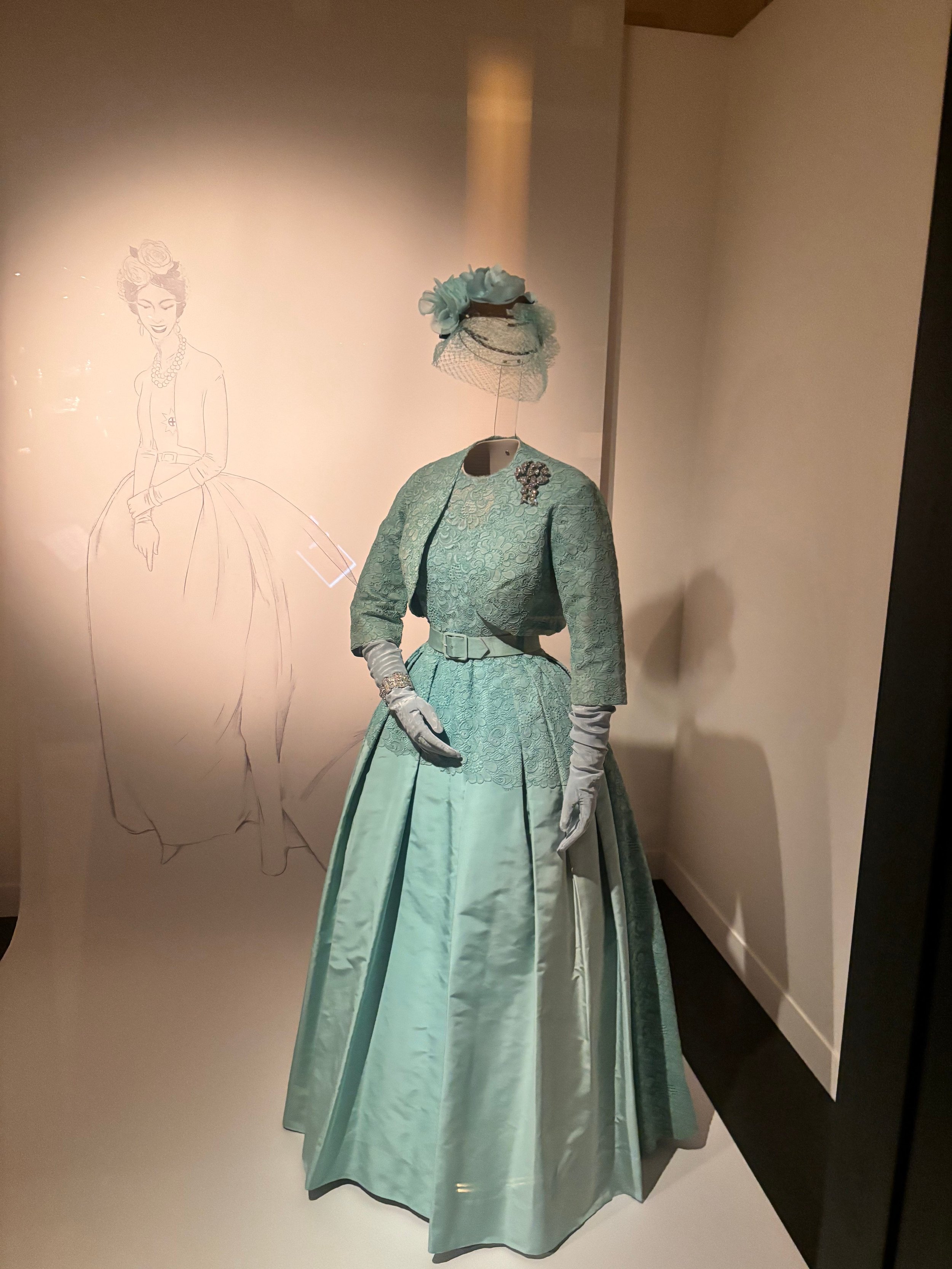
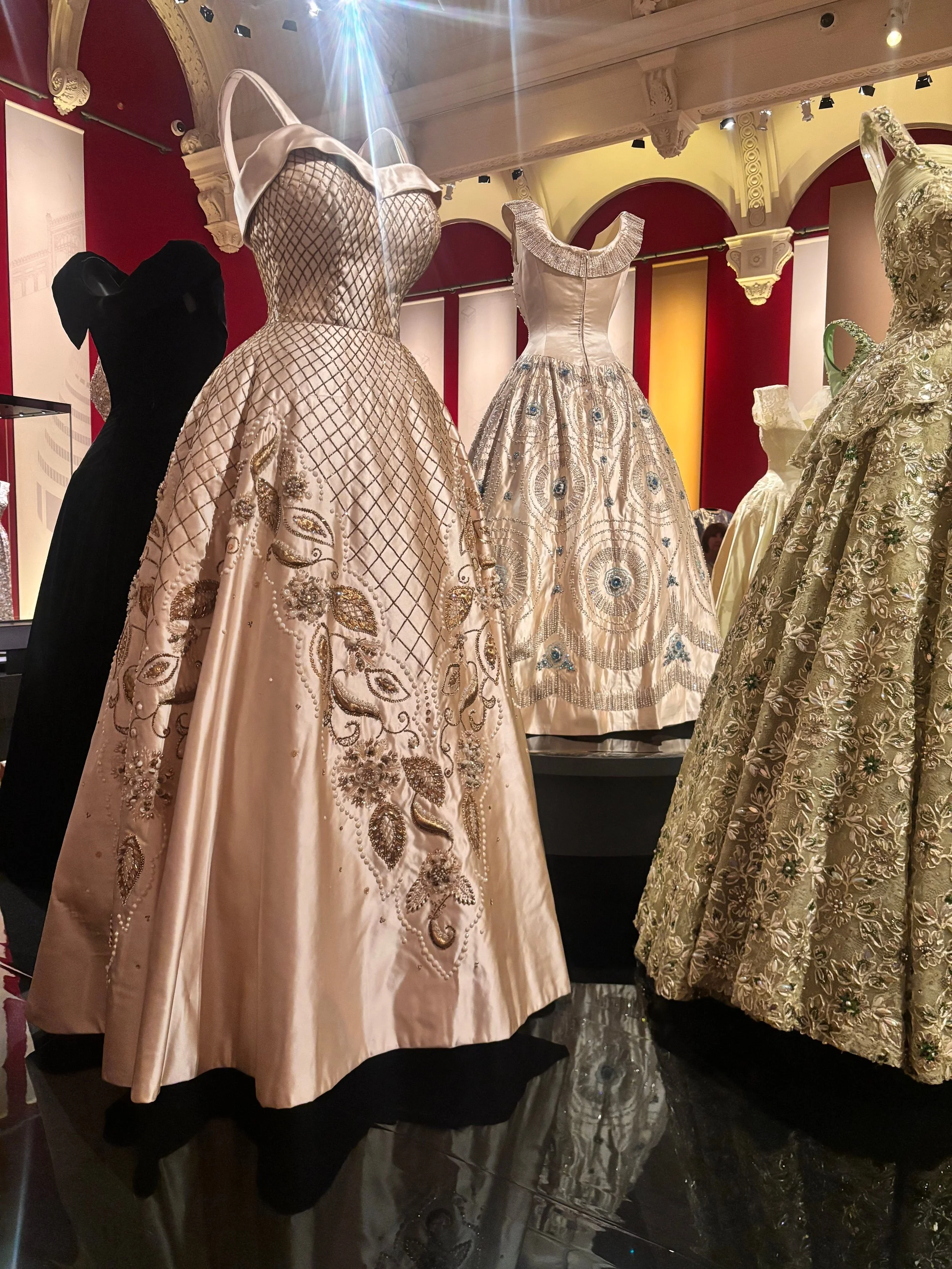
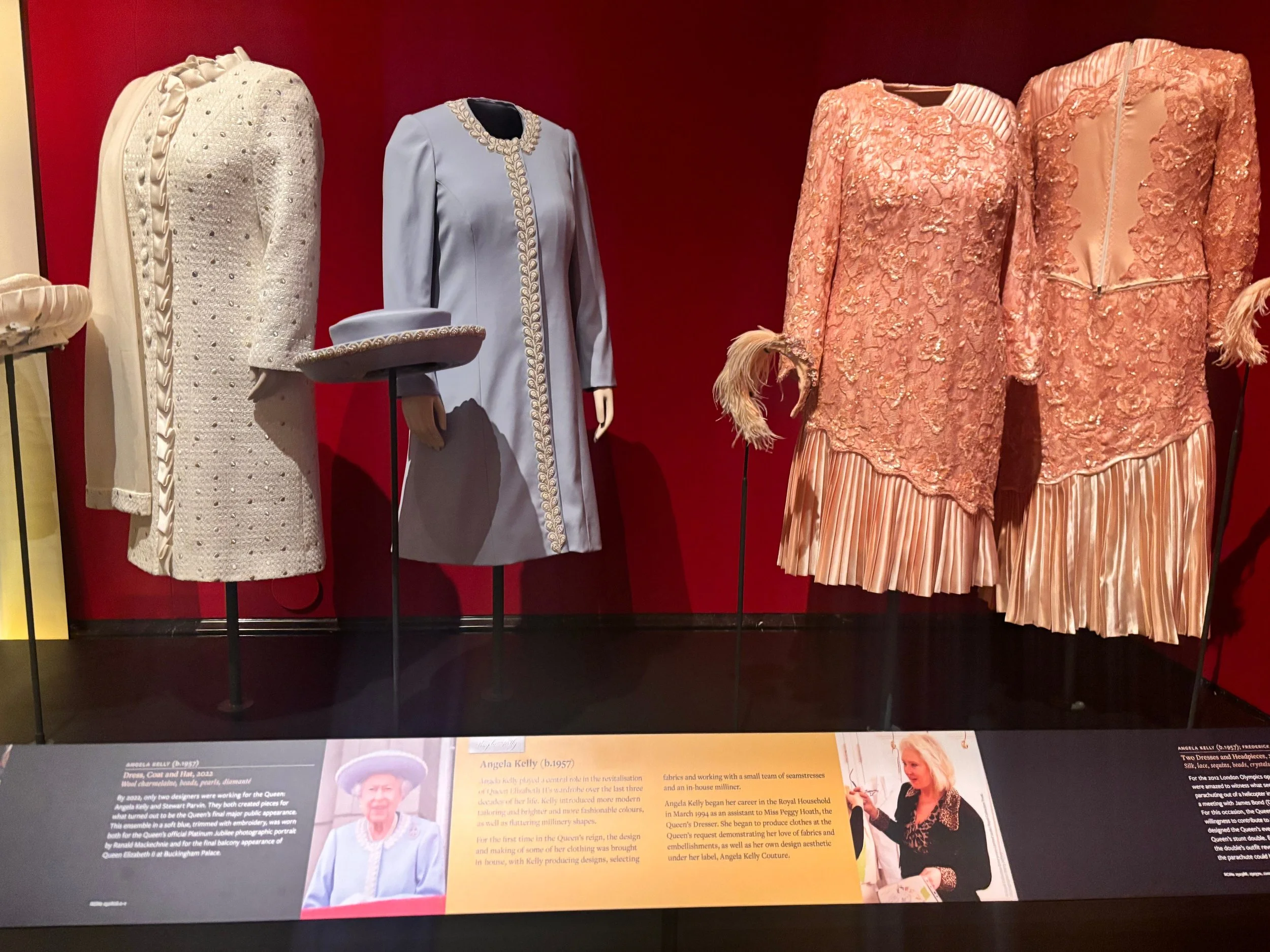
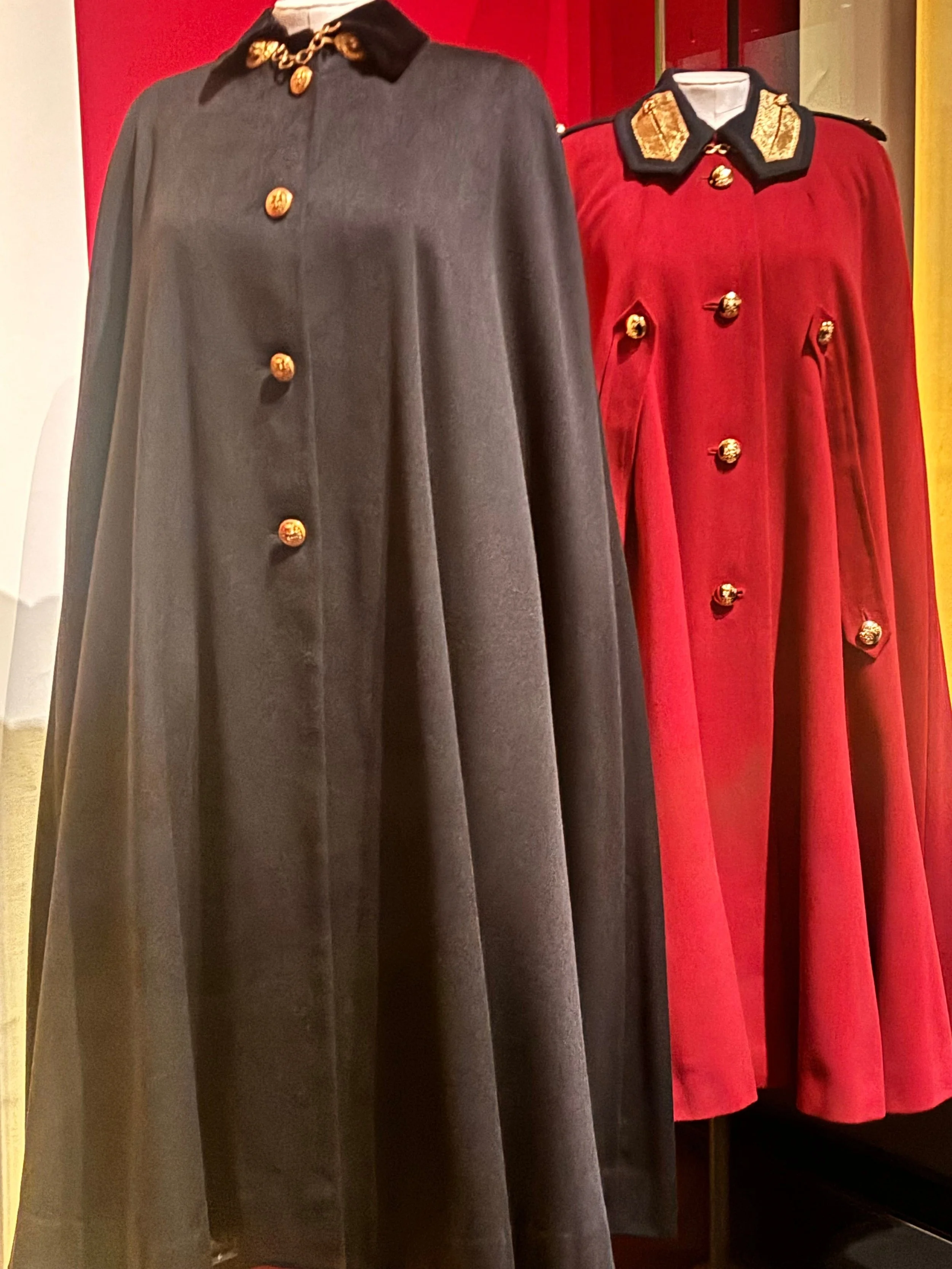
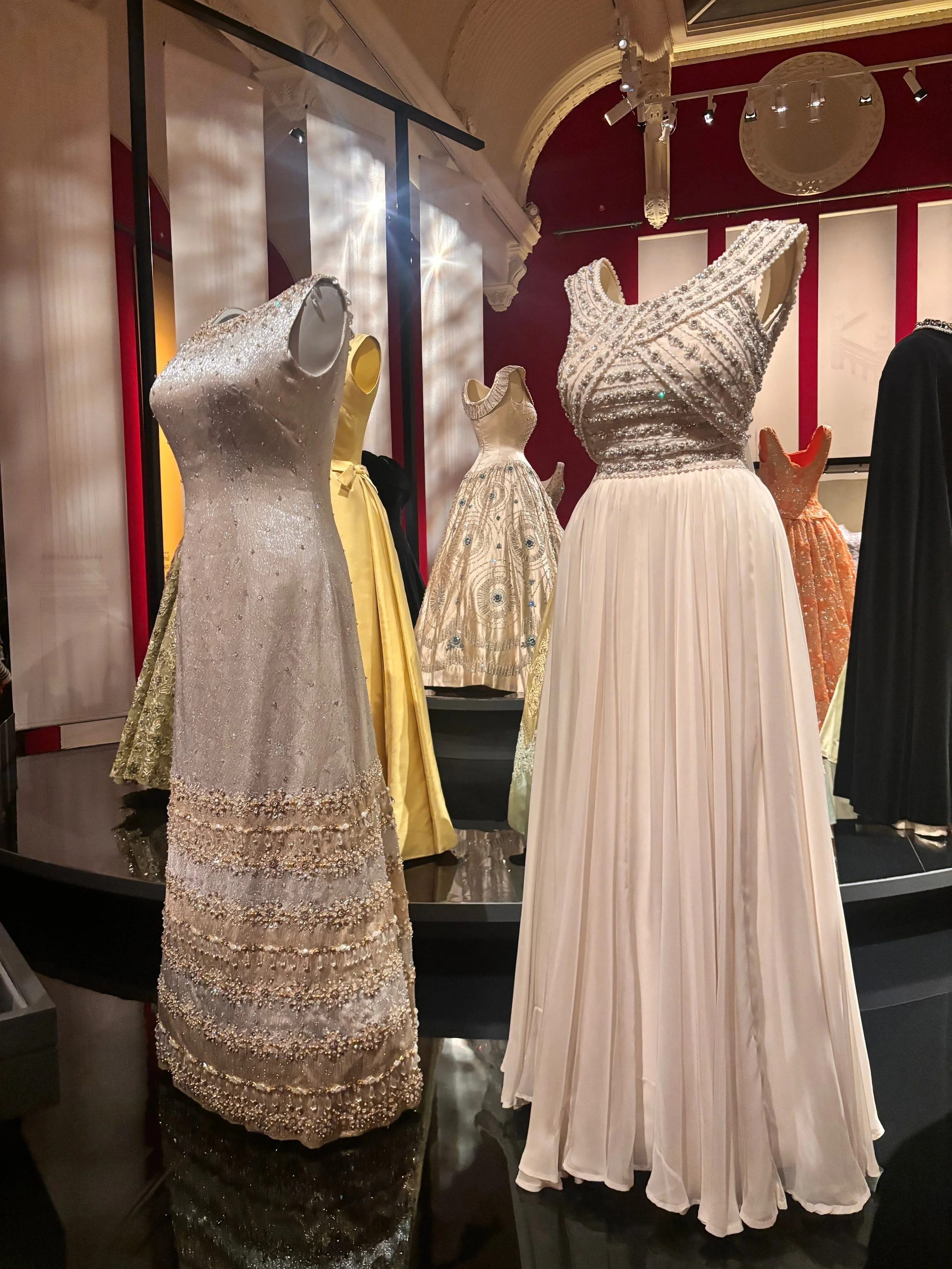
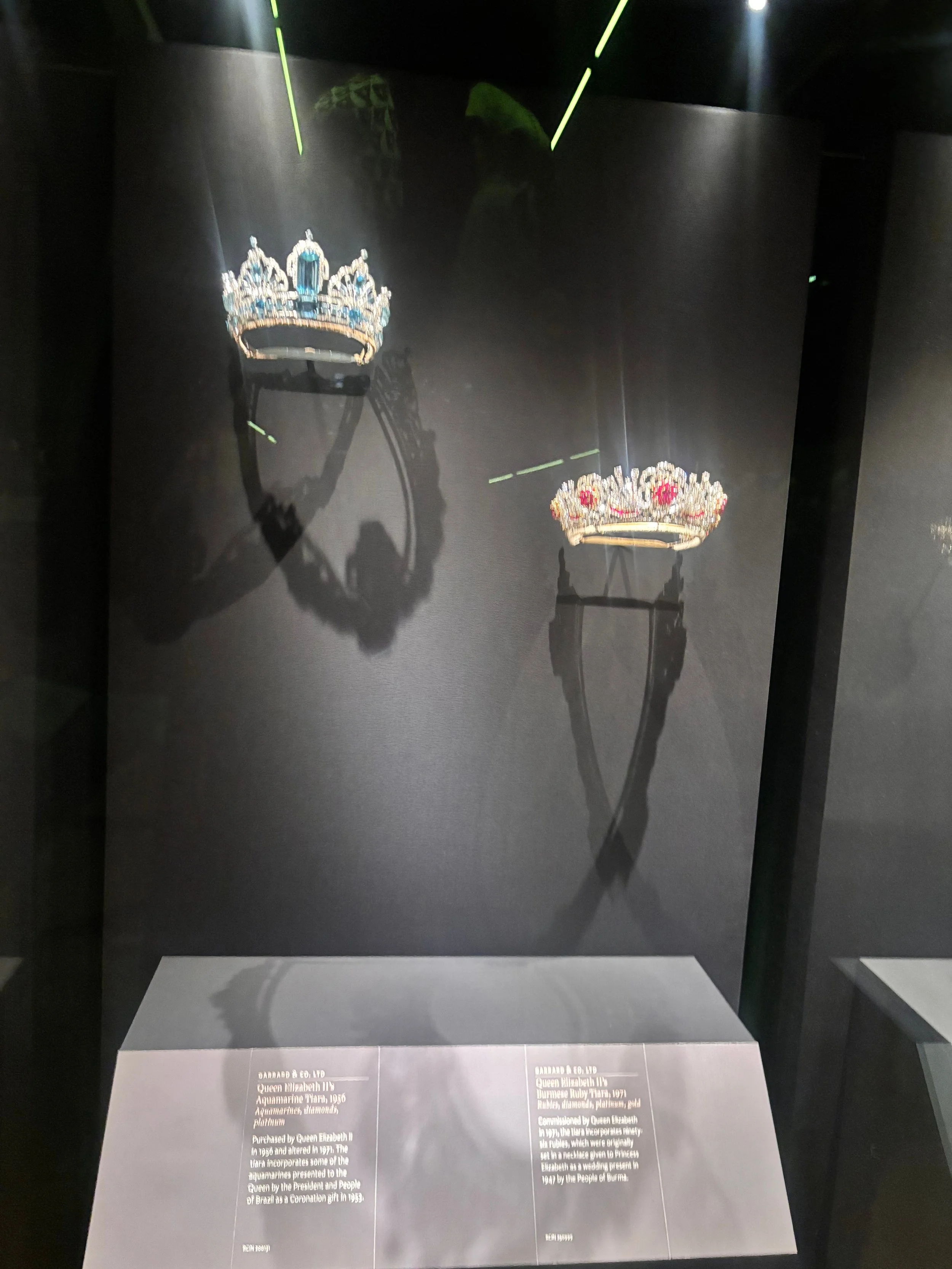
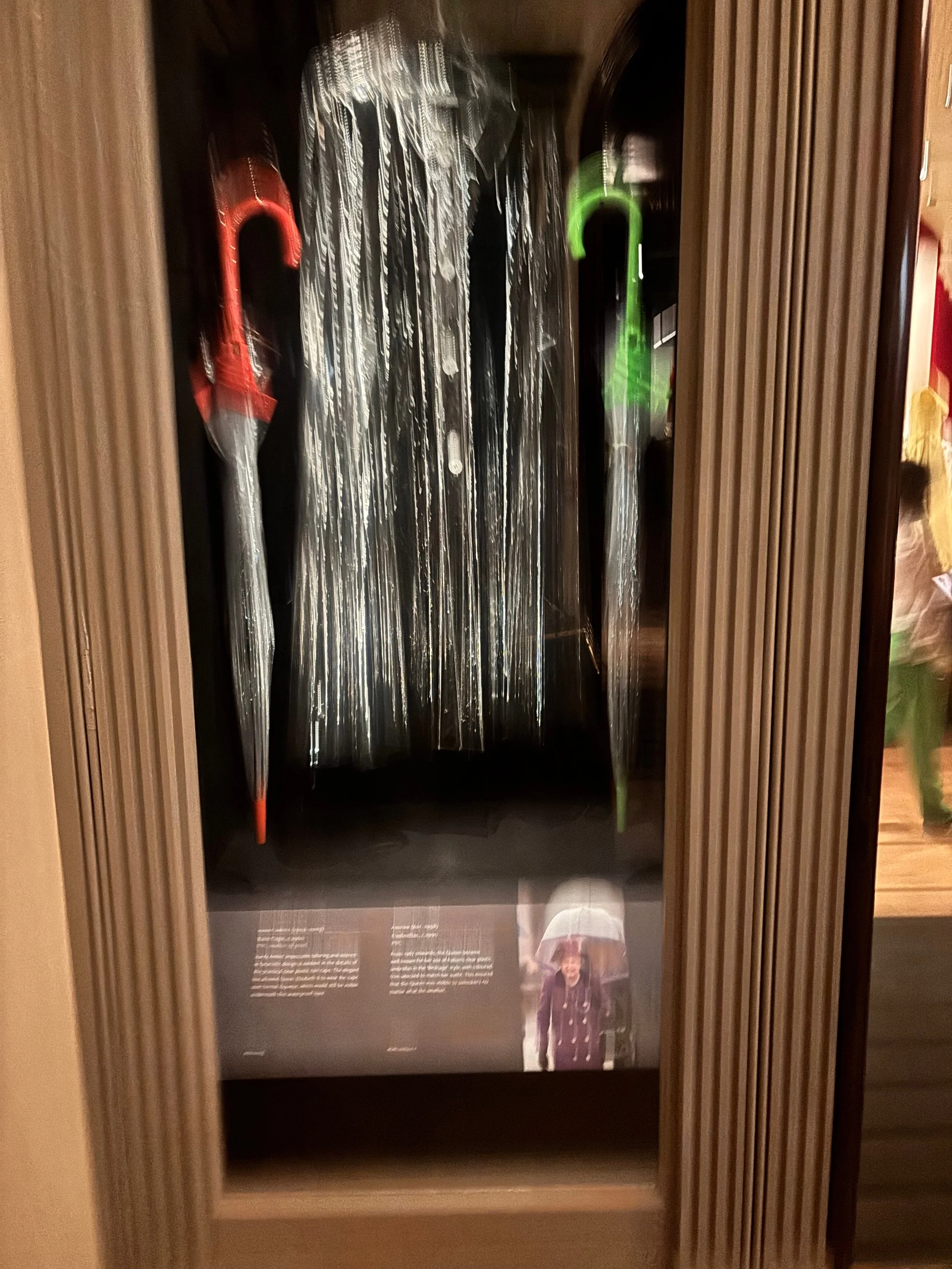
The exhibition reminded me of the tension between regal loyalty versus systemic neglect. The late queen, as I can testify having seen her elegance at close hand at the Richard Quinn show in February 2018 aged 91, would wear an outfit and then rewear it for years to come, in habits echoed by her son, the King, who wears his Anderson and Sheppard suits for decades, or her daughter Princess Anne, who is frequently photographed wearing an outfit she first wore in another century. She was a woman who understood the value of clothing as a visual code of cultural diplomacy, who with her love of the outdoors, clearly understood the need to wear clothes that protect the wearer from the vagaries of British weather. And yet aside from loving the displays of vivid colour drenched dresses, see-through umbrellas, elegant evening dresses using the emblems of the nation she was visiting, such as cherry blossom for Japan, I came away feeling that British fashion policy has consistently failed to protect the industry which the late queen personally championed.
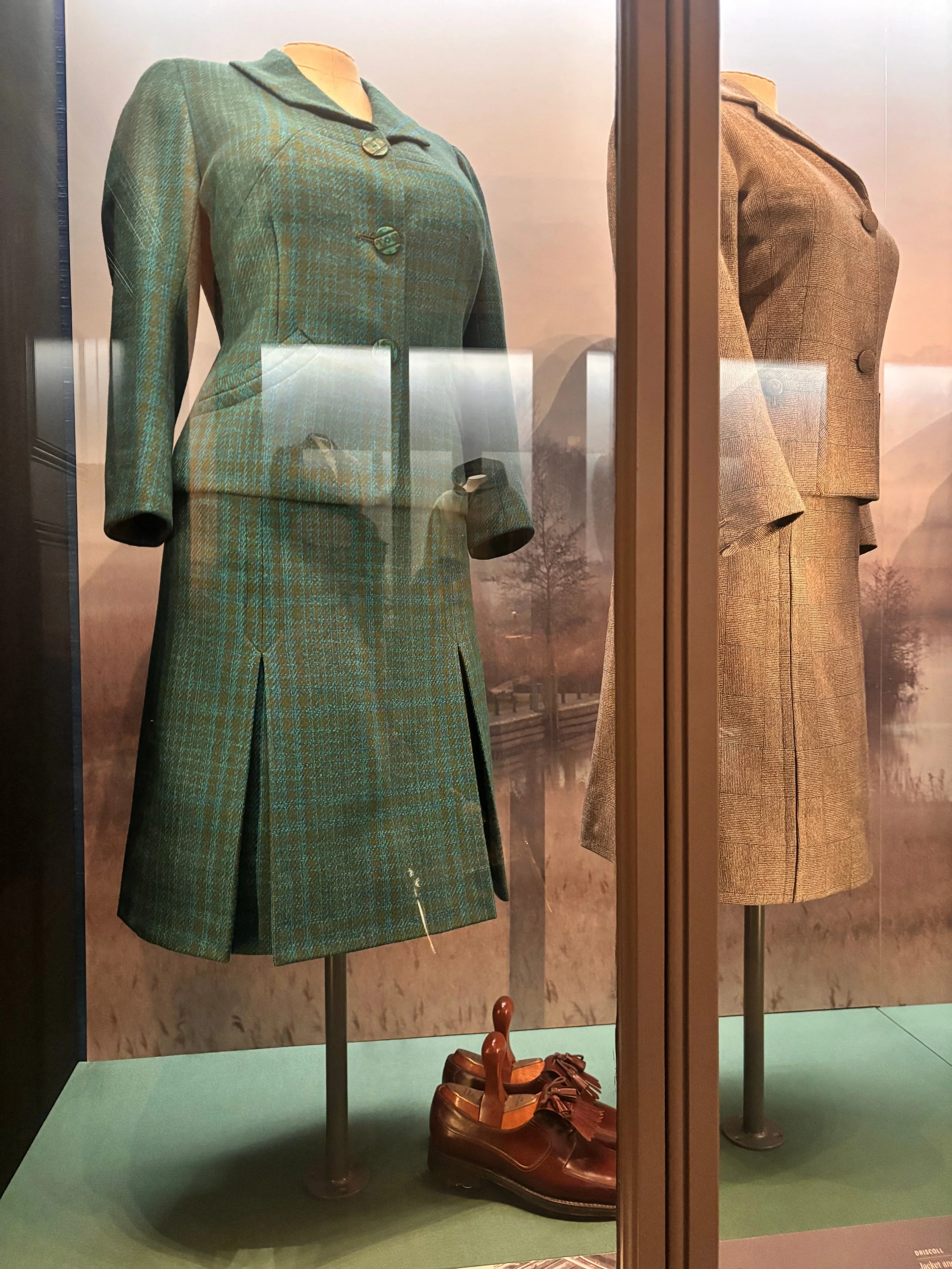
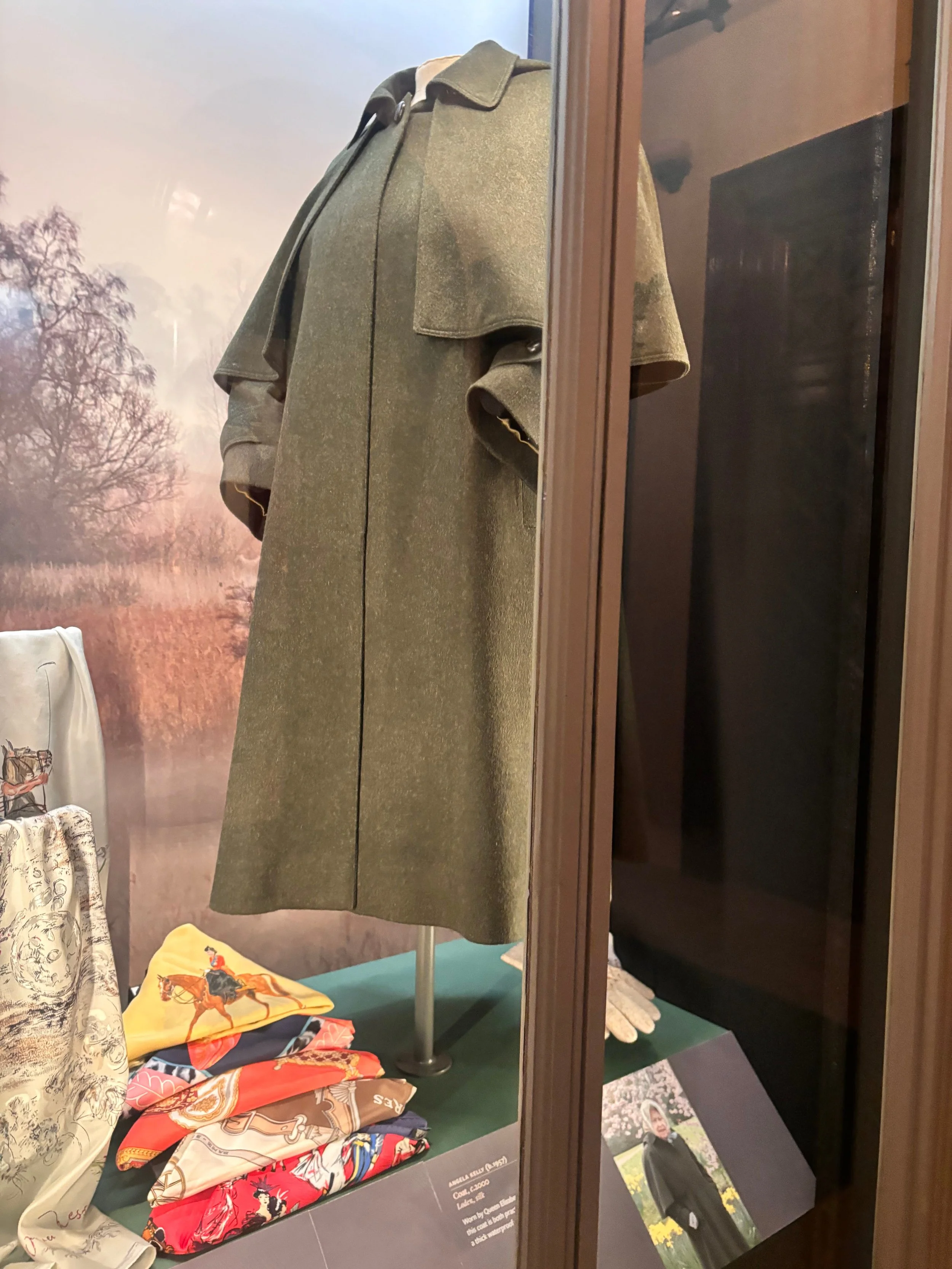
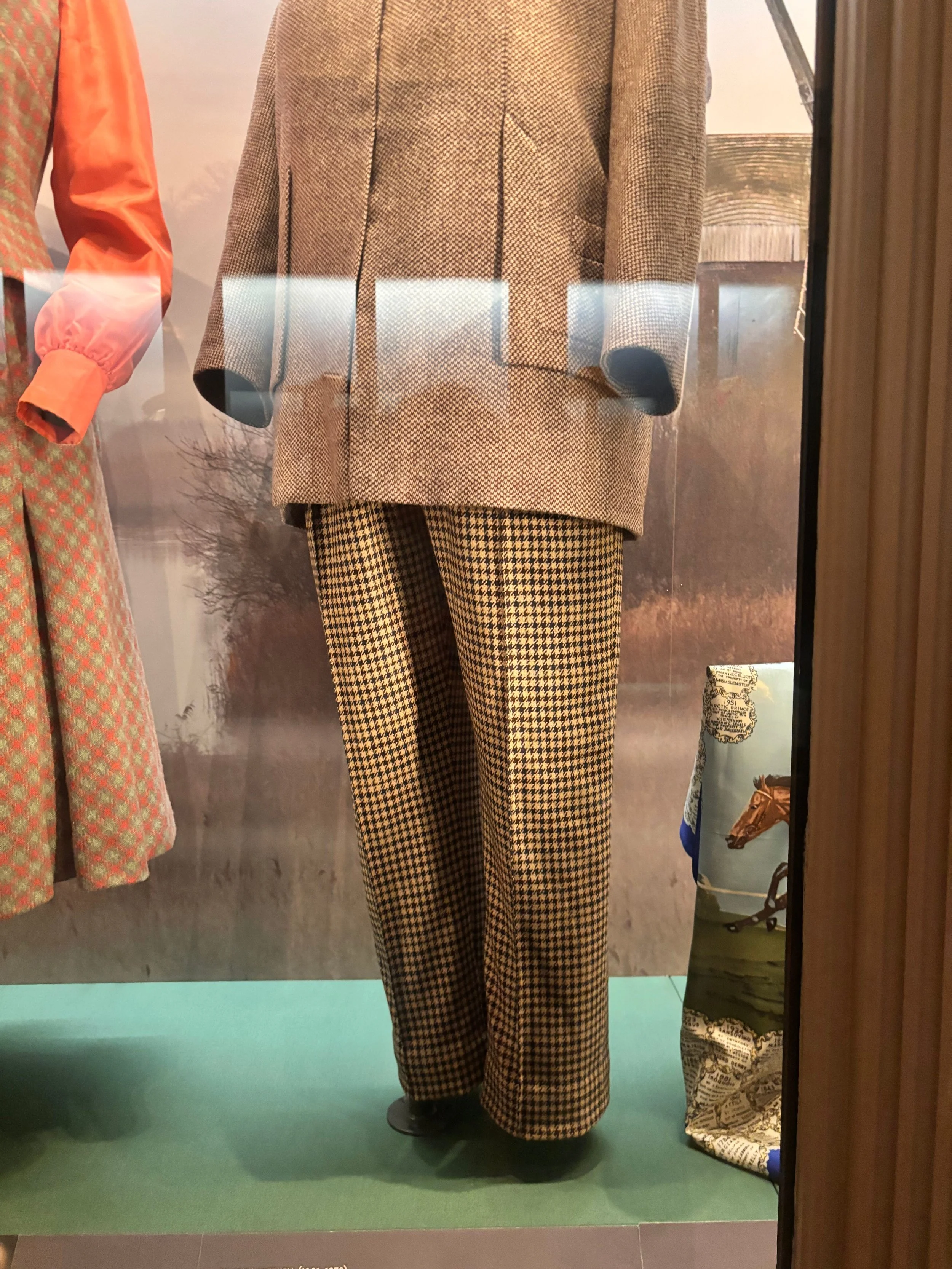
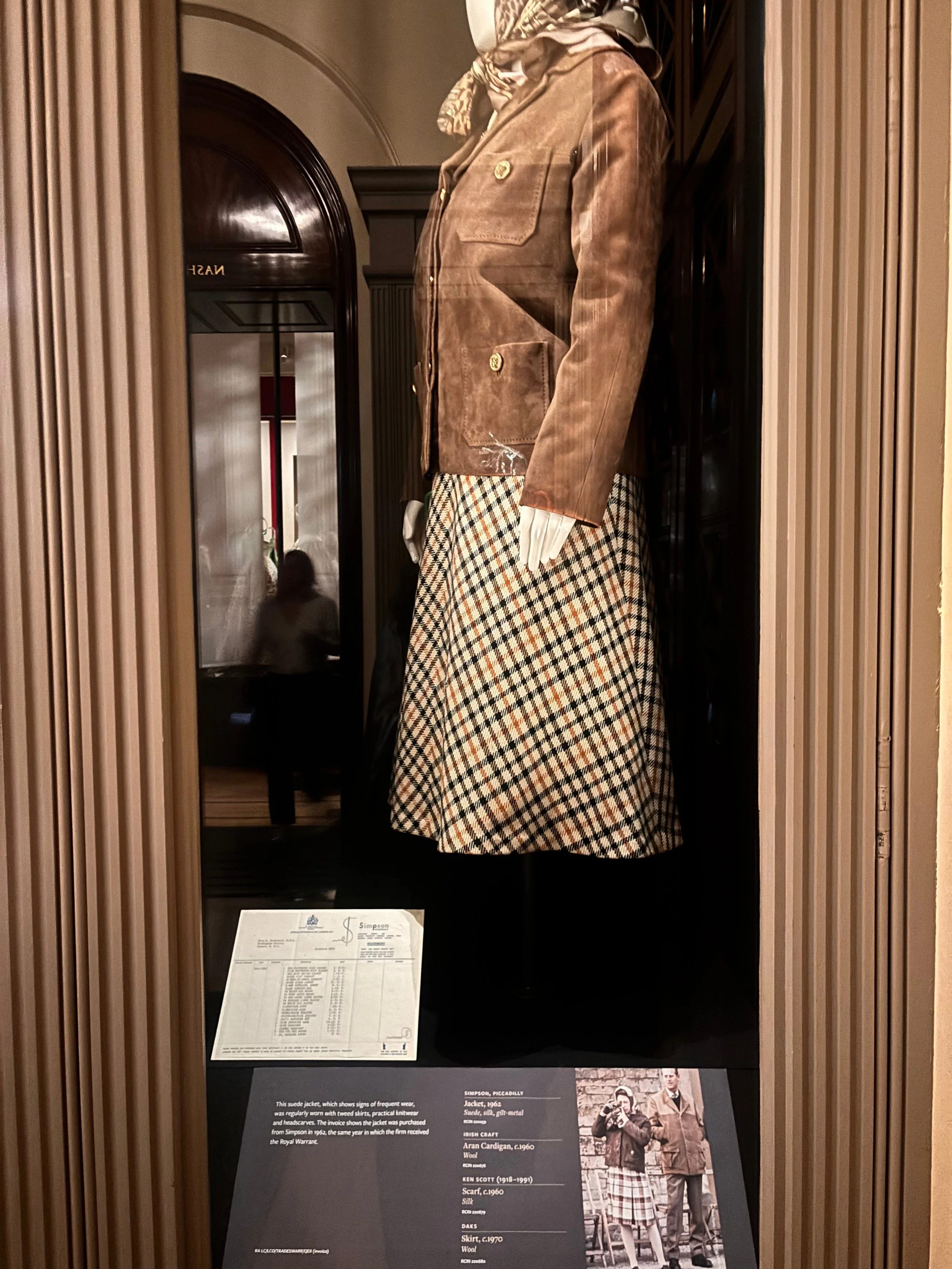
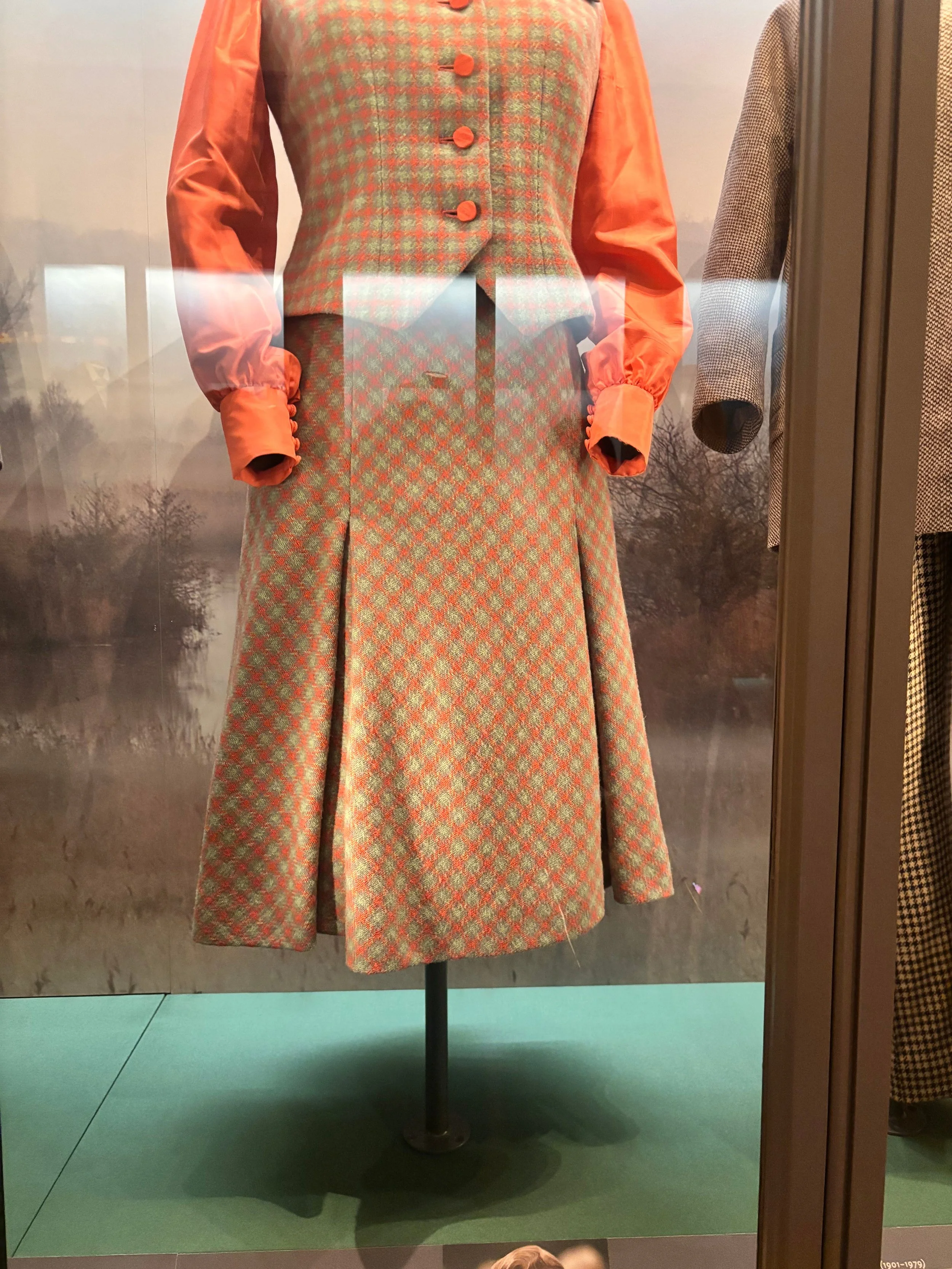
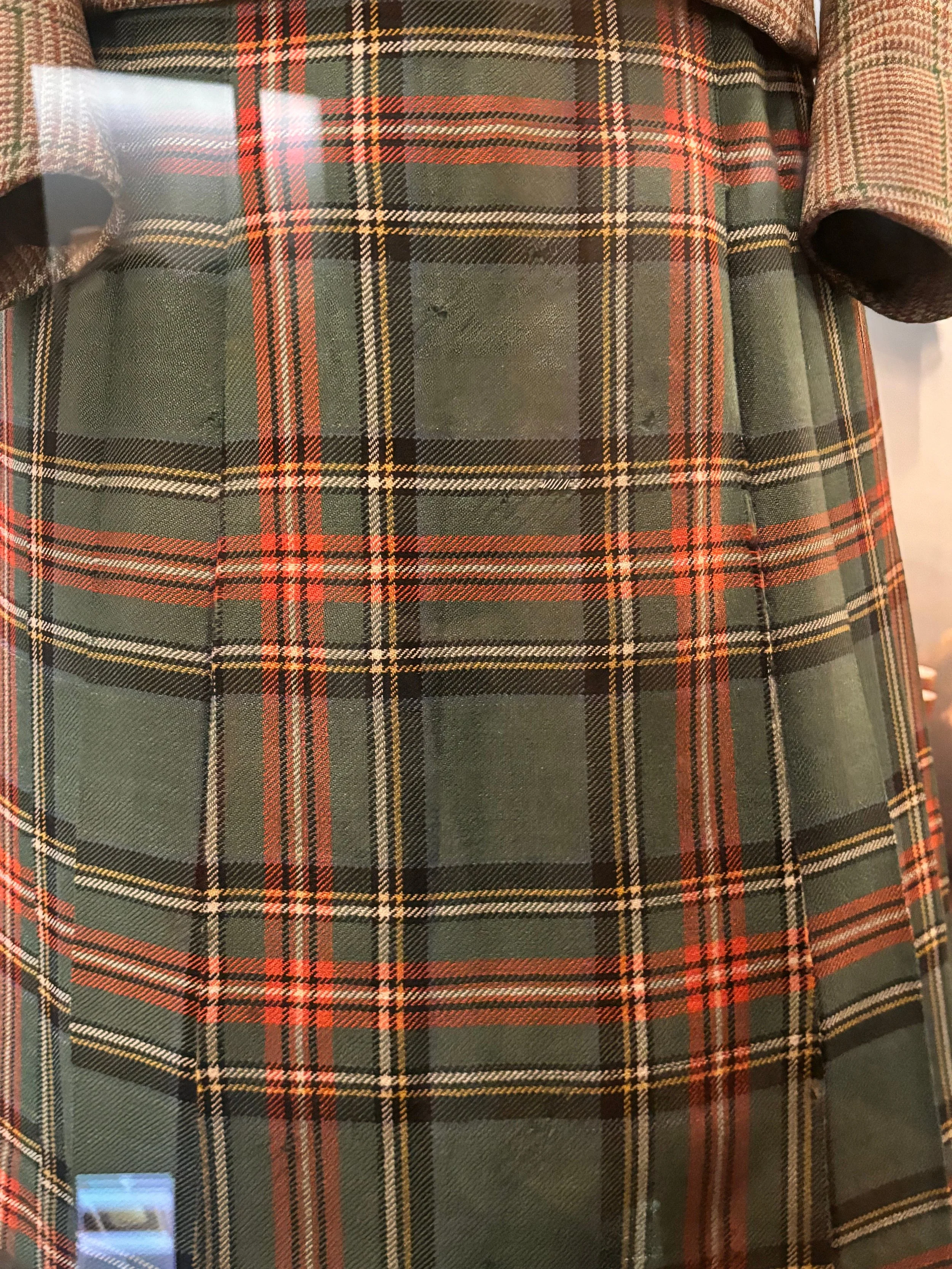
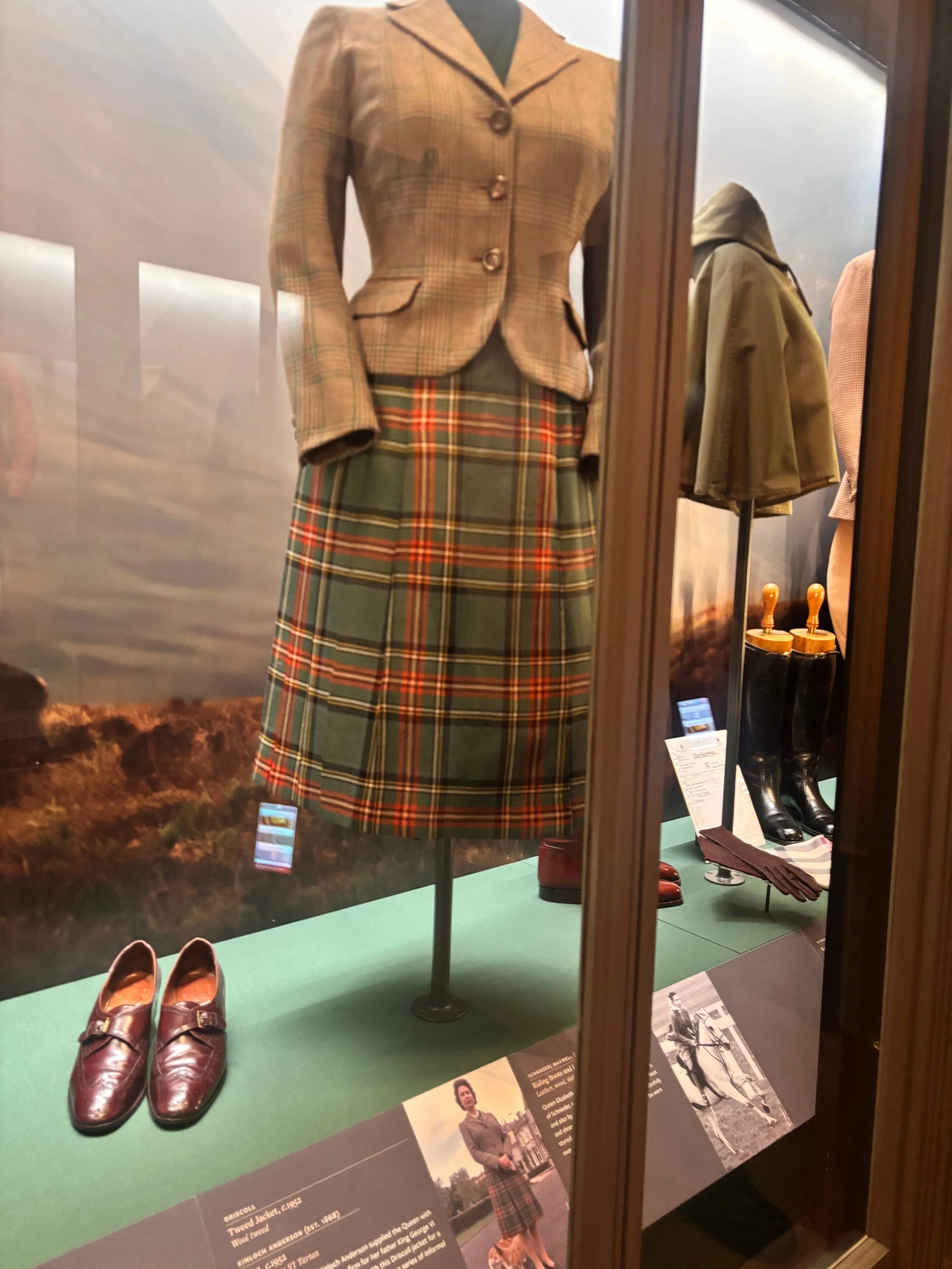
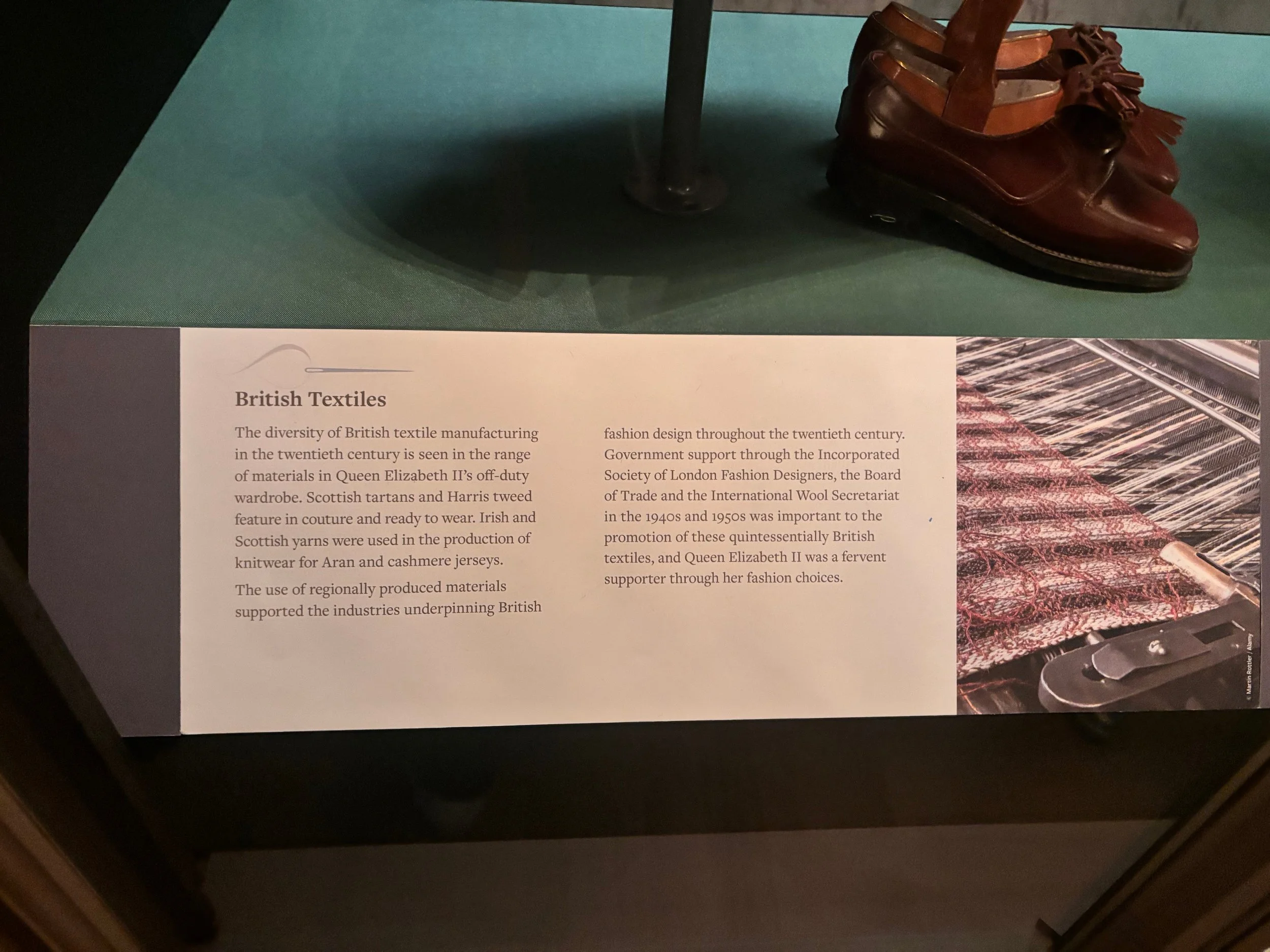
From the Kinloch Anderson kilts, the Harris Tweed jackets (who attended our Great British Wool Revival summit at Dumfries House last month), British natural fibres, textiles and brands were a key staple of her off-duty wardrobe. Indeed, when I saw the queen at London Fashion Week, she told us watching (on in awe) quite clearly, the geography of British fashion and its impact: “From the tweed of the Hebrides to Nottingham lace, and of course Carnaby Street, our fashion industry has been renowned for outstanding craftsmanship for many years.”
But personal patronage, is not policy. Nor should it be. Queen Elizabeth II: Her Life in Style is a masterclass in the diplomatic power of dress. It is also a record of what British fashion can achieve when it has a committed champion, and what it loses when structural support is absent.
While the numbers fluctuate, as outlined in Sunday’s policy briefing, British fashion industry contributes approximately £21 billion to the UK economy. British wool and textile manufacturing have faced decades of underinvestment. The couture houses she nurtured could not survive on royal patronage alone. They needed an ecosystem: export support, skills investment, a trade policy that valued craft as much as commerce. One by one, without it, they closed. There is no reason why we cannot have the same long-term success as Milan and Paris, these are the direct result of clear infrastructure, investment and ambition.
The exhibition runs until October 2026. I would urge anyone who cares about the future of British fashion to go: not just to admire the beautiful gowns, though you will, Go to ask the same question I left Buckingham Palace asking: if the longest-reigning monarch in British history wore British wool, supported British designers, and attended London Fashion Week at 91 years old, what exactly is our excuse for not doing more?