
by Amy Boote
Credit: Amy Boote
Amy Boote is a fair-fashion researcher who has spent the last few years asking one question: what happens to the people who make our clothes when the climate crisis arrives at the factory door?
She’s finishing a PhD at Cardiff University exploring climate change and gender inequality in fashion supply chains through an ecofeminist lens. Her fieldwork with garment workers in Phnom Penh, Cambodia, looks at how extreme heat and flooding shape their working lives, and what real resilience would look like if it started with them rather than with the brands.
Alongside her research, Amy sits on the board of the Union of Concerned Researchers in Fashion, is currently on placement at WRAP, and has worked as a sustainability communications consultant since 2023. What ties it all together is a belief that research is only useful if people can actually hear it, and that’s why she’s writing here.
The fashion industry talks a great deal about its climate impact. It talks far less about the climate impacts its workers are already living with. In Cambodia, where garment manufacturing is the backbone of the export economy, the wet season is growing heavier and less predictable each year. The account below is drawn from interviews with garment workers in Phnom Penh during a month-long fieldwork project.
The rain is heavier than I have ever known it, and it no longer keeps to its season. It can start at any moment, without warning. Each year the floods come faster and do more damage.
In my hometown, the rice fields turn into an expansive body of dark water, and my mother’s livelihood is washed away. Each year the harvest is smaller, our rice yield depleted. At home, I worry for my family who have to cope with this and also look after my elderly relatives and tend to our chickens and ducks. I fear they will struggle to cope next time the rain comes.
This is not just happening in my hometown. Even here, near the factory, we are completely inundated; I would say guess seventy percent of us are overwhelmed when the rain falls heavily. There is no escaping it.
My rental room sits in a low-lying row just behind the factory. The housing is poorly built and badly kept, but it is close to work and one of the few places I can afford, so I stay.
When the drains on the street outside my door clog, the floodwater mixes with sewage and flows through the ground-floor rooms. Luckily, it doesn’t always reach my room, but every year it creeps closer. Last year it rose to my knees. There is no stopping it. And there is little we can do. Whether we have a dry room to sleep is our landlord’s decision, not ours, and we have almost no power to demand anything better.
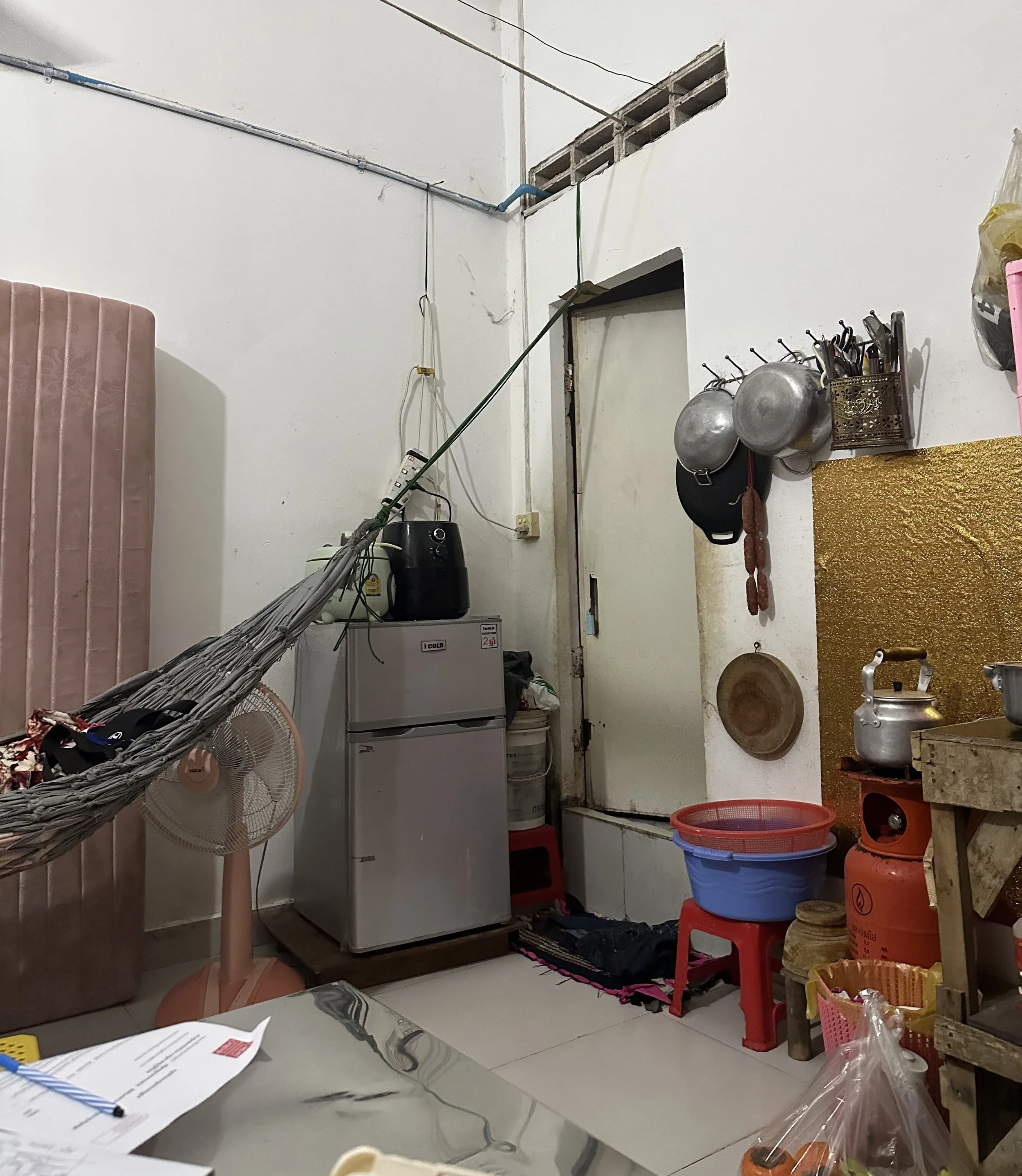
I am only one worker among hundreds in Phnom Penh, each of us left to carry this weight alone, stretching a little further each year. Now, each time the wet season returns, I feel the dread before the rain even begins. I dread it because I know the water is coming before I see it. First, it seeps under the door and spreads across the floors, and if I am home, I rush to life what I can onto the chair and the table, anything above knee height. Then the smell arrives, sharp and sour, and I know the drains have overflowed again. Soon the dark water covers every inch of my tiny room. My mattress, pushed uselessly against the back, soaks it up like a sponge.
I cannot sleep on it tonight, or for many nights after. Instead, I tie a hammock to two small hooks on either side of the room and climb in, suspended just above the filth. It is an ingenious way to cope, but a fragile one. My alarm will go off at 5am. Rest feels unlikely.
Each morning, I wake to the hammock swaying gently over dark, foul water. I wait for it to go down, but it rarely does, so eventually I lower my legs into it. The angry red rashes across my ankles and feet flare up, the skin swelling and splitting into small open sores. Still, I tell myself it is a small worry. Since the floodwaters came, my sister has been so sick to her stomach that she has spent the last 48 hours on an IV drip.
Then I go to the factory. The factory is only a short walk. But my room is out of sight, and so it is out of the factory’s mind.
By the time I come home, I am too tired to care where I sleep. I have nothing left. This exhaustion is no longer something I get through. It is simply how I live. I am tired, my energy reserves feel totally depleted.
This female garment workers’ story is not unusual. Floods like these rarely appear in audits, sustainability reports or brand climate strategies, because they happen beyond the factory walls. But a worker who cannot sleep, whose feet are covered in open sores and whose family is falling sick is a supply chain under strain.
If brands are serious about climate resilience, it has to reach the people who make their clothes, not stop at the factory gate. That means extending climate risk assessments to workers’ homes and communities, not just production sites. It means investing in adaptation where they source, from drainage to safer housing. It means paying wages high enough that a dry room is not a luxury. And it means involving workers in designing these responses, because they already know where the water comes in.
Right now, the policy tide is moving the other way. The EU has narrowed its due diligence rules and dropped the requirement for companies to adopt climate transition plans. The UK still has no due diligence law at all. The Commercial Organisations and Public Authorities Duty (Human Rights and Environment) Bill, now before the House of Lords could change that, but only with government backing.
Without that pressure, garment workers like her will stay out of sight, and out of mind.
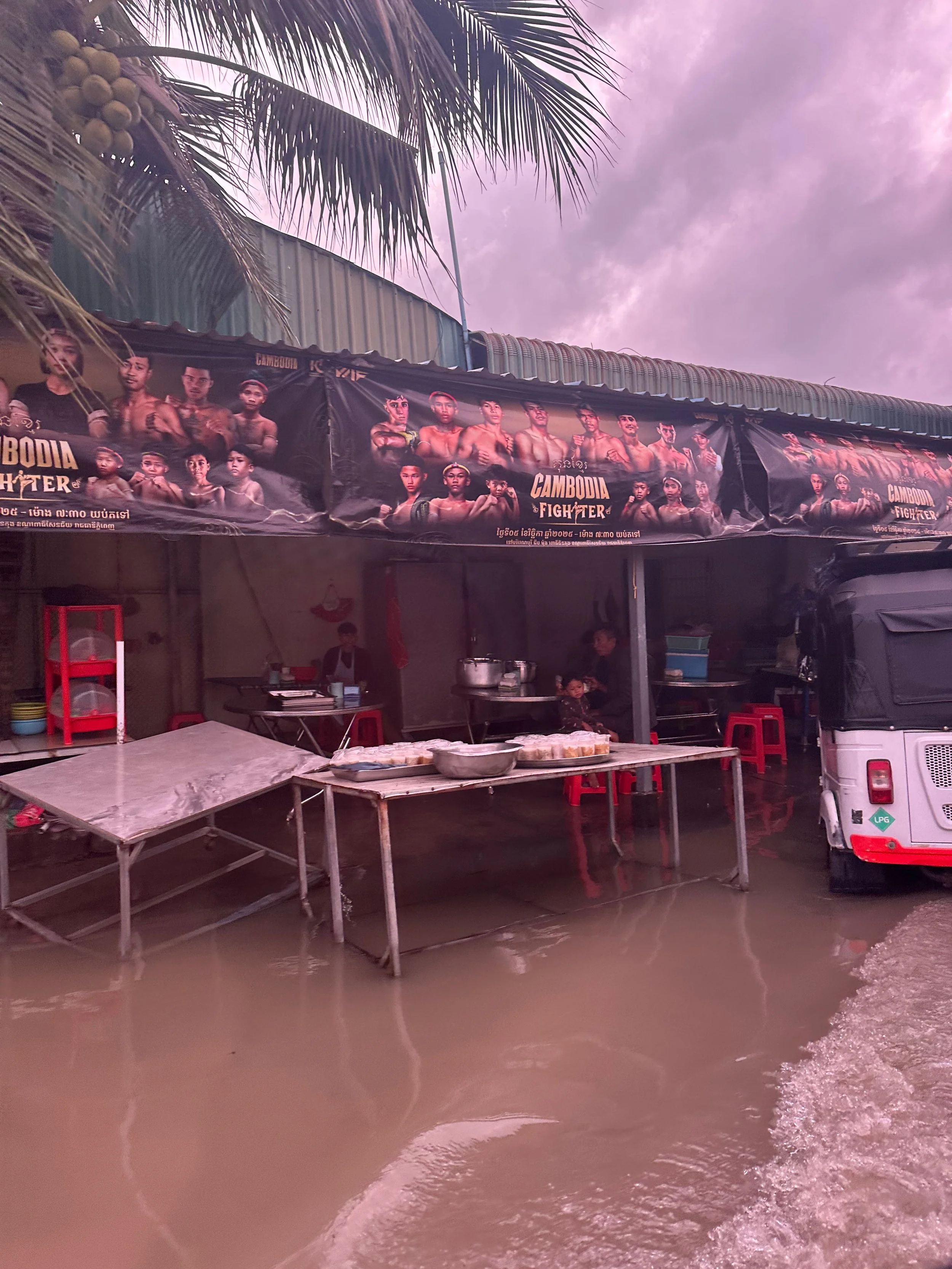
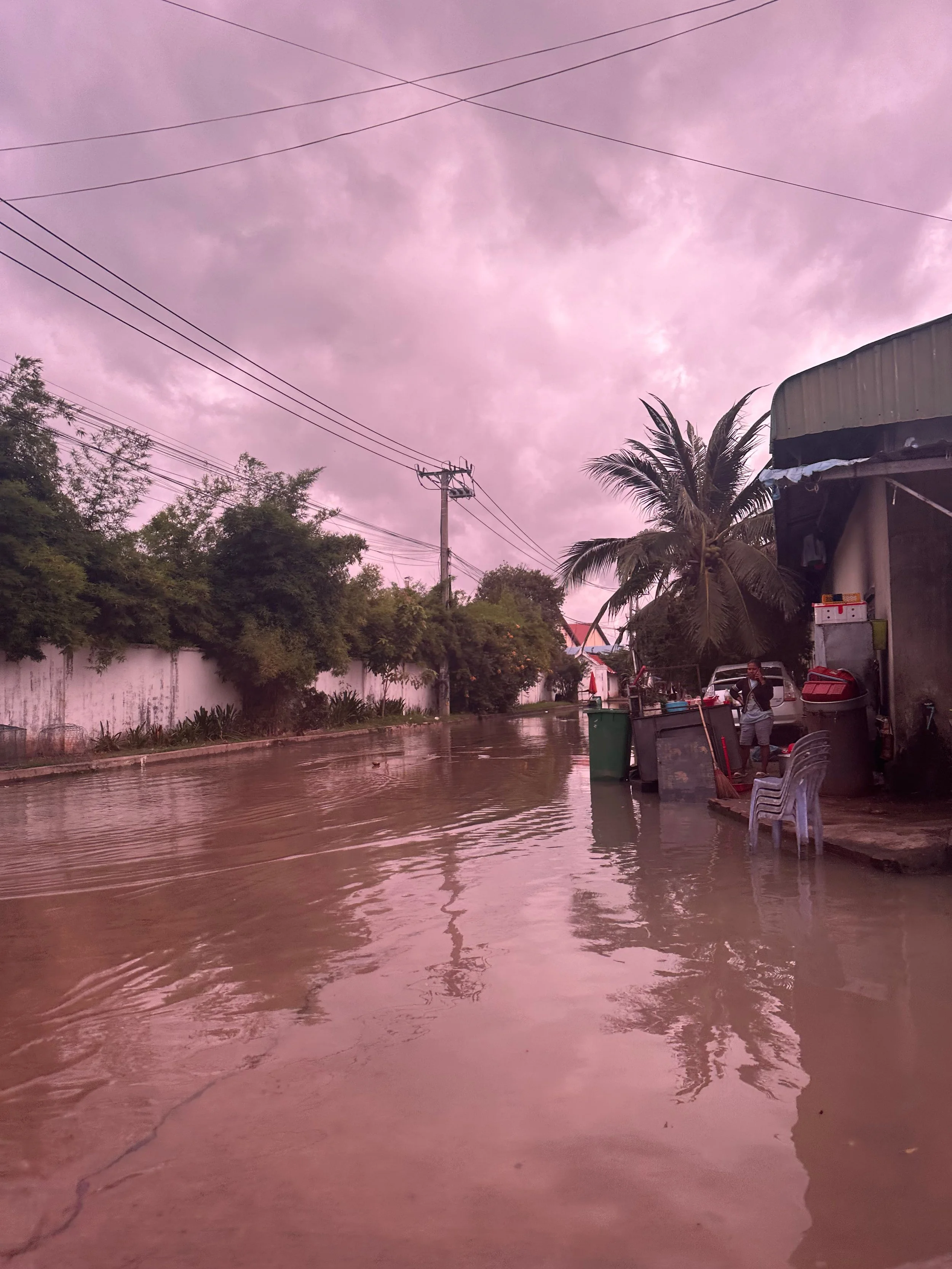
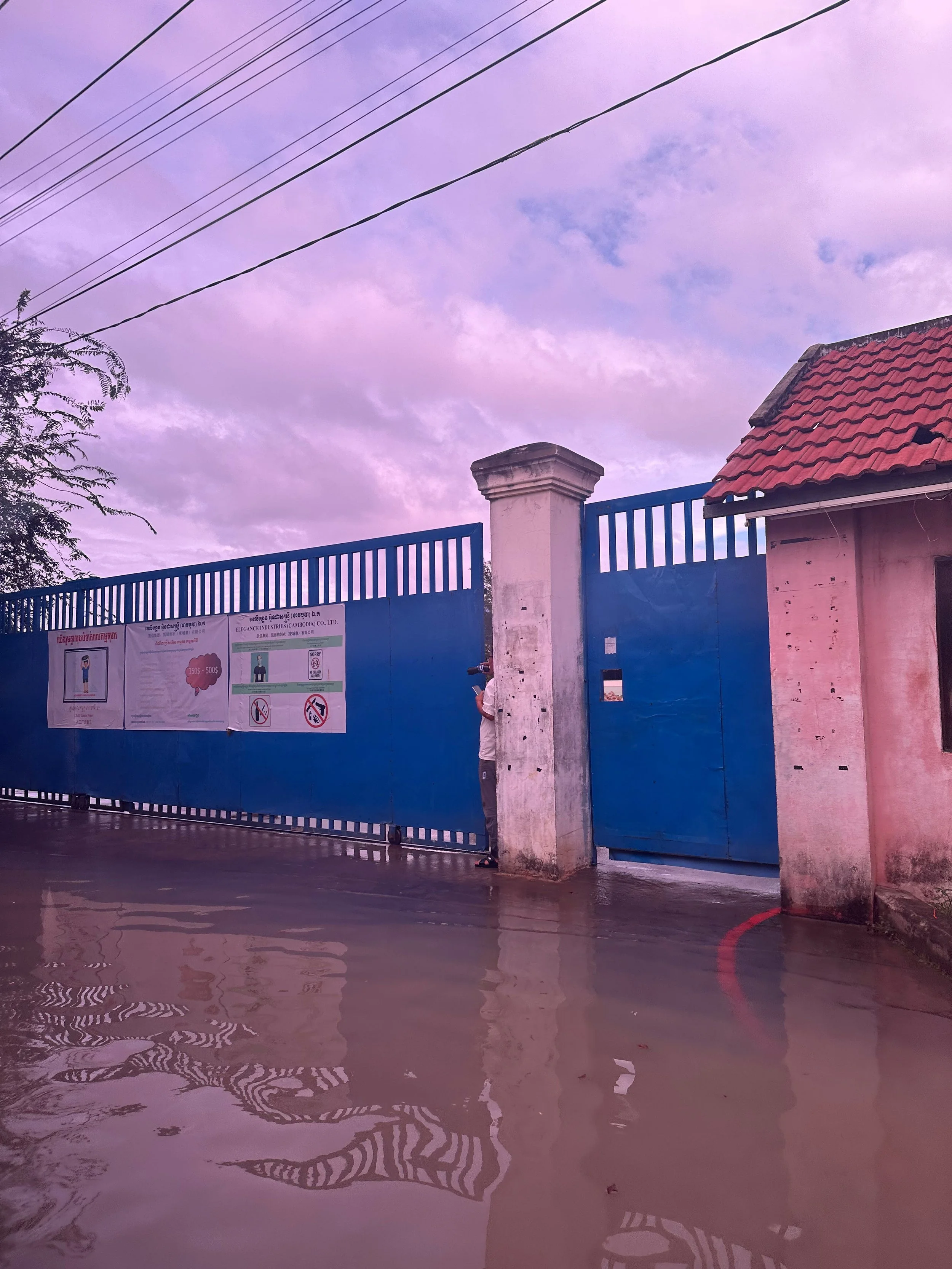
Images supplied by Amy Boote