
And why this matters for creative and sustainable growth.
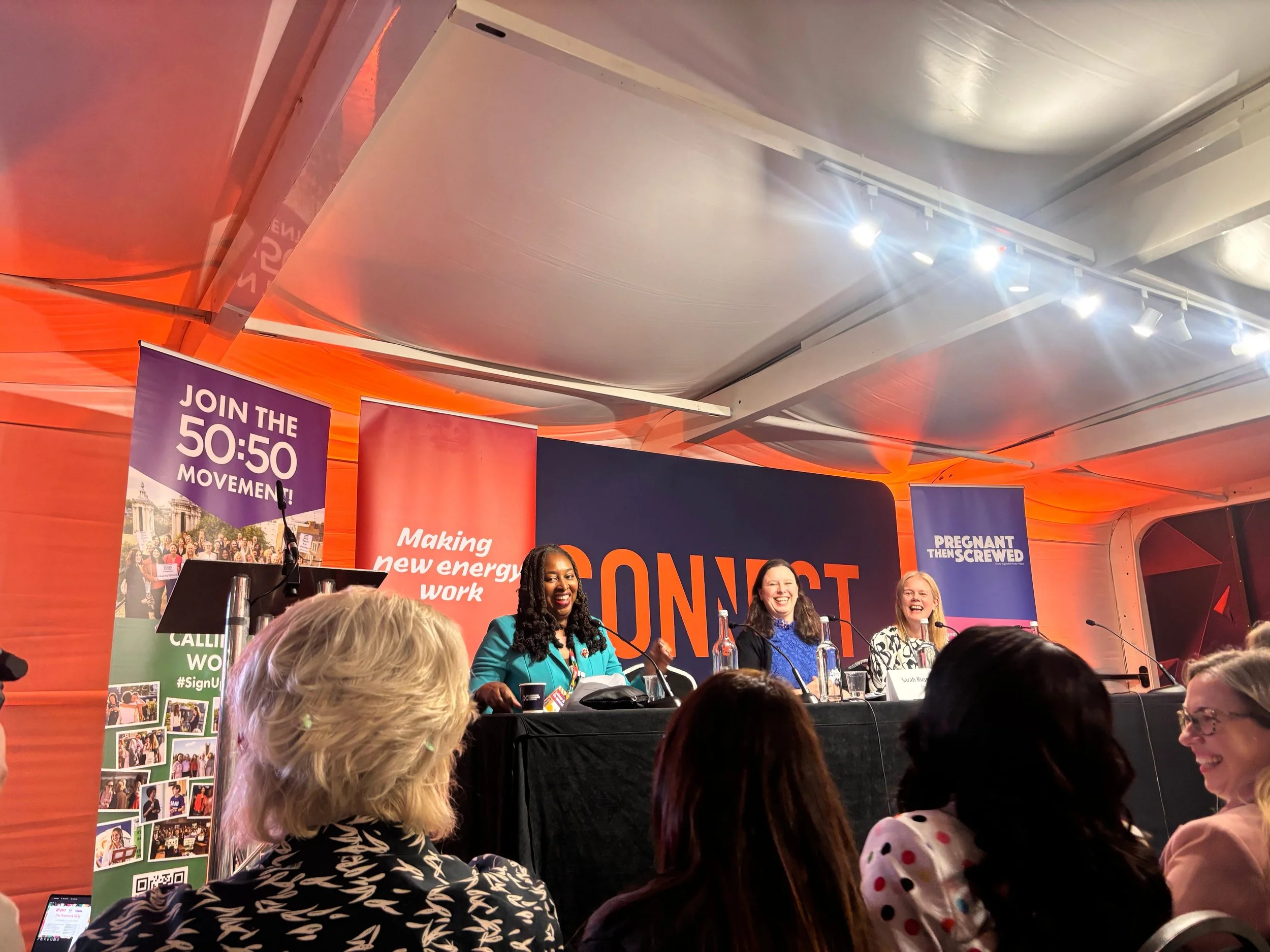
I was asked to speak on a stage at this week’s Labour conference in Liverpool, invited by Oxfam for an event celebrating Secondhand September. It didn’t go ahead, because neither Oxfam nor Fashion Roundtable could find an MP or a peer with diary time spare to commit to speaking. I know that Conference is a cavalcade of blue suited busyness: pumped up people working in public affairs, political intelligence, politicians and activists alike, rushing to and from events, from Brent MP Dawn Butler’s legendary Saturday night rave, to the current debates on devolution, housing and homelessness, all while running the gauntlet of demonstrators for a myriad of campaigns, just outside the security cordon.
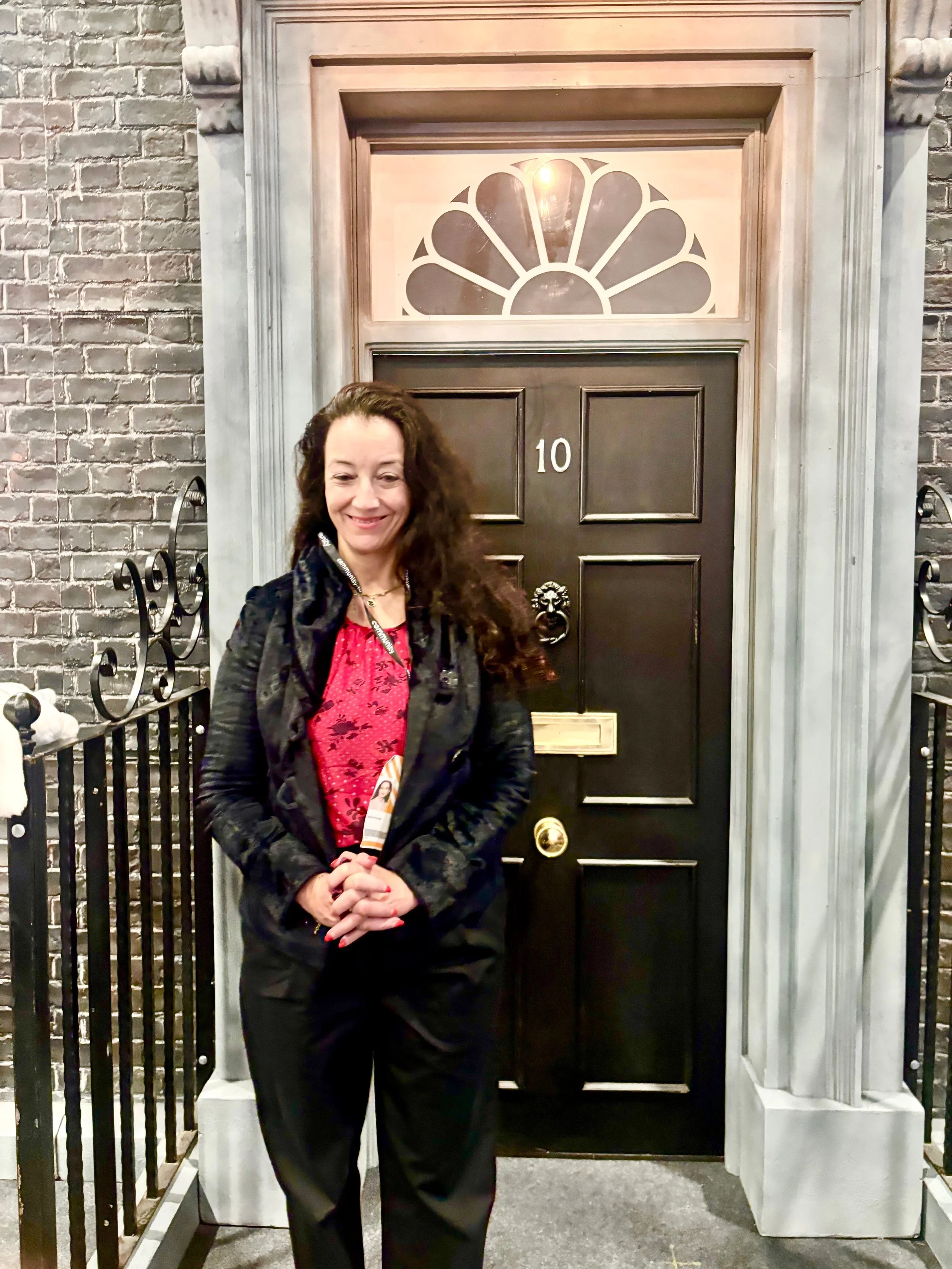
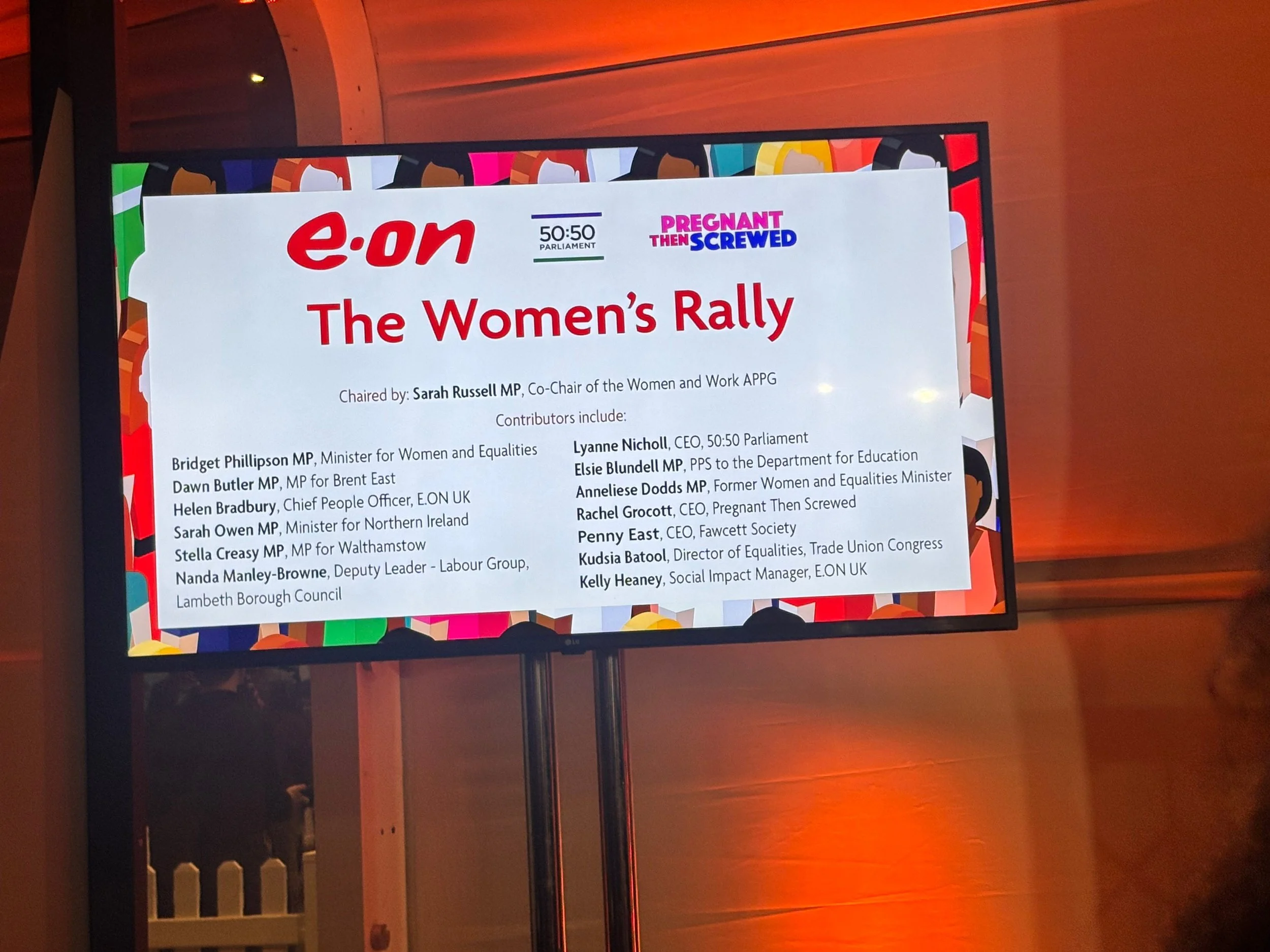
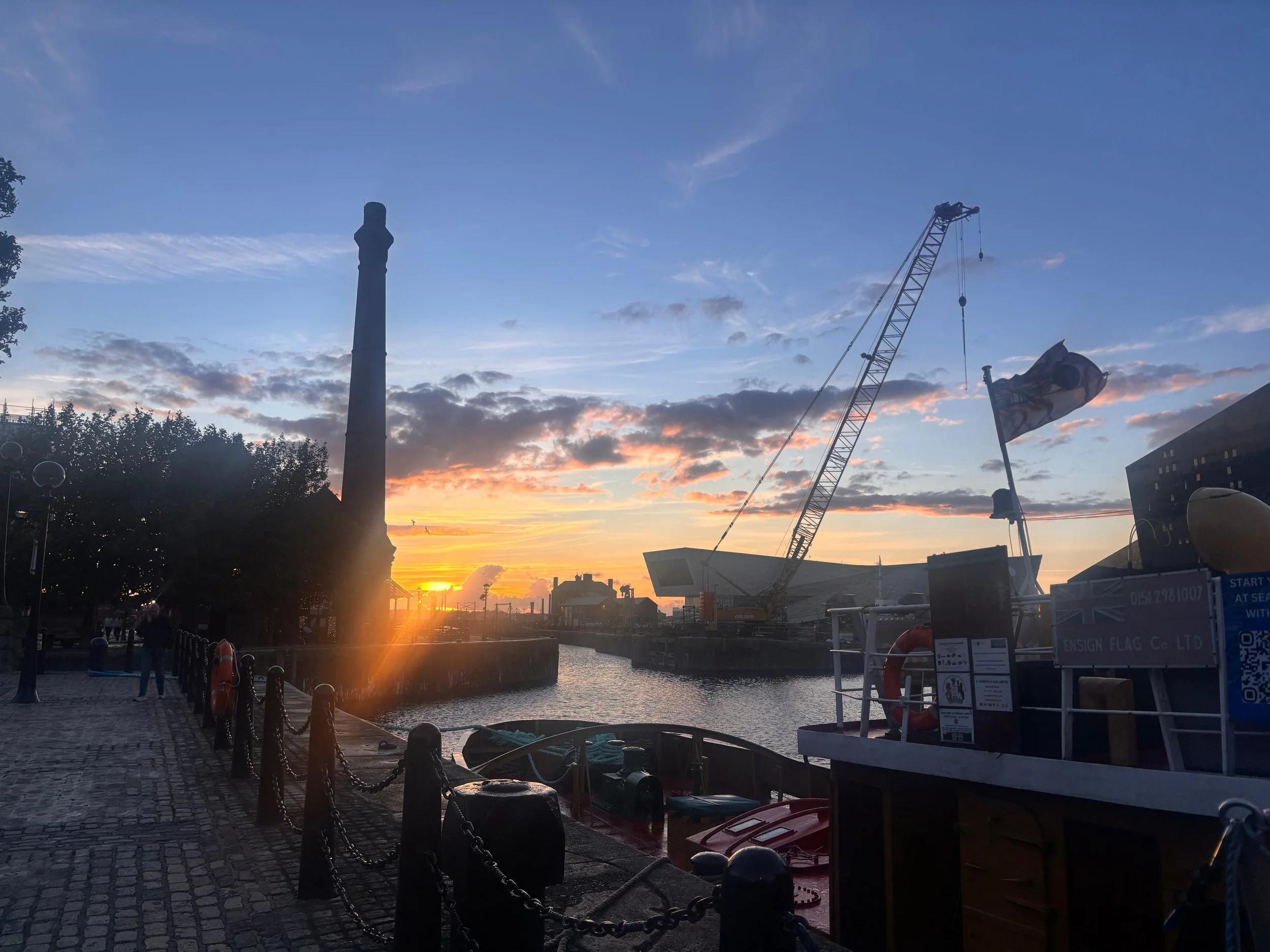
Labour Conference 2026
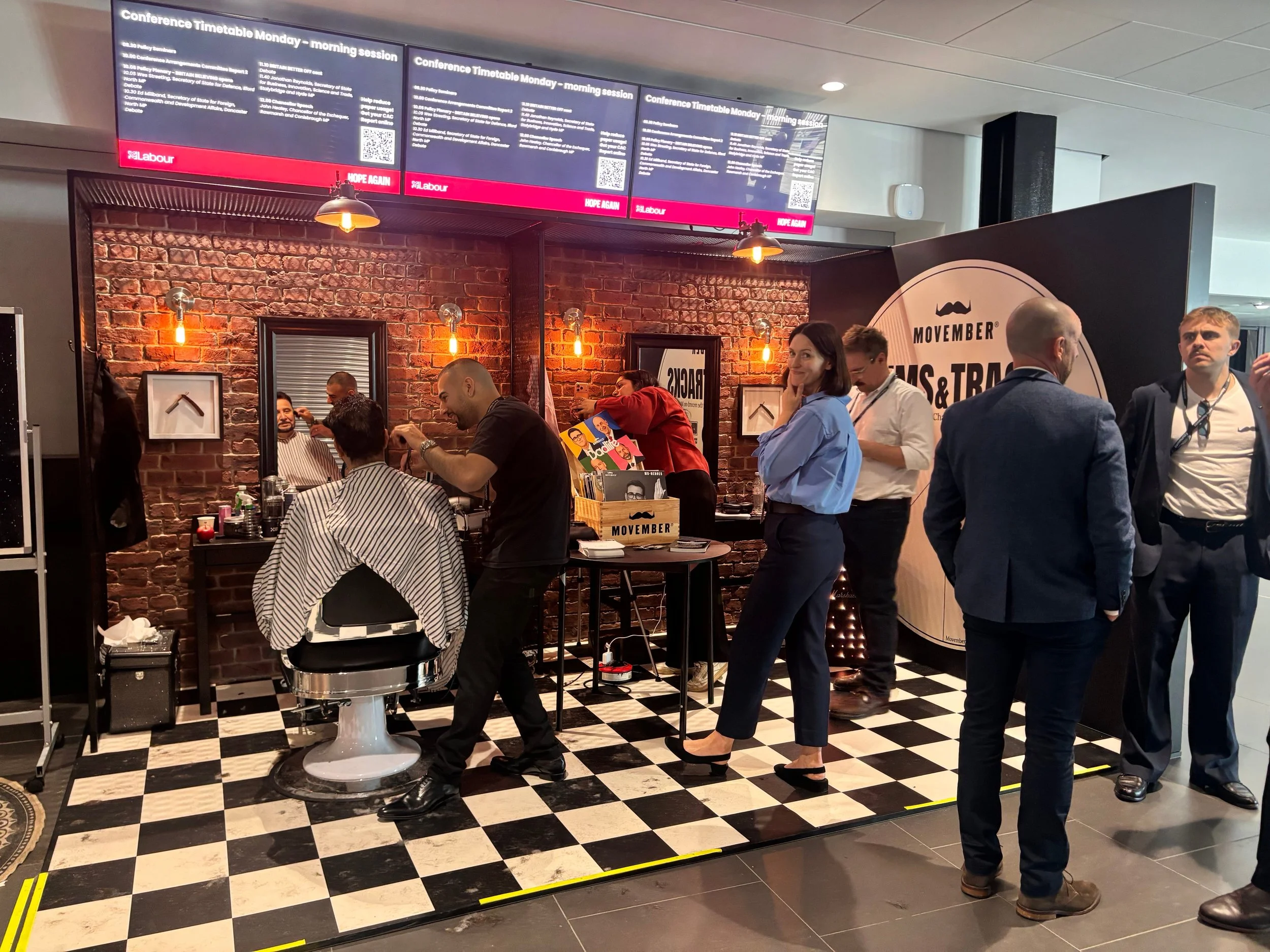
I get that conference is a very busy few days, but I feel I still need to remind policy makers that despite the decade of industry shocks ranging from Brexit, to Covid, the rising costs of NICs, minimum wage, rent and rates on retail, the unilateral end of tax free shopping, against the exponential growth of online shopping, while the UK unlike the EU and US does not have de minimis legislation in place (meaning international fast fashion has an open door delivery to the UK), as a sector we are worth over £67bn to the economy. And the secondhand fashion economy is the fastest growing component of that fashion industry. So arguably a secondhand September event might have been a good call for a politician keen to show their finger on the pulse. Not to be competitive, but that’s almost £60bn more than the music sector’s £8bn value for the UK economy. UK Music had a prominent stand in the conference hall, alongside the Premier League, Duolingo, Times Radio and GBTV.
When I launched Fashion Roundtable, we emailed all 650 MPs the value that their constituency has from the fashion industry: the income generated and the employment numbers. This had never been done before, so we know that the fashion sector employs people in every postcode: from craft to retail, SME entrepreneurship to multinationals, yet we couldn’t get one parliamentarian in the room for a conversation about reuse, waste and jobs. A conversation at conference about the fashion sector effectively joins the dots between creativity, culture and craft, SMEs and multinationals, AI and waste management. While some of what I heard was interesting, and Andy Burnham’s speech has won him plaudits, it would have been refreshing to see the creative industries considered more central to the conference conversations.
What I did hear
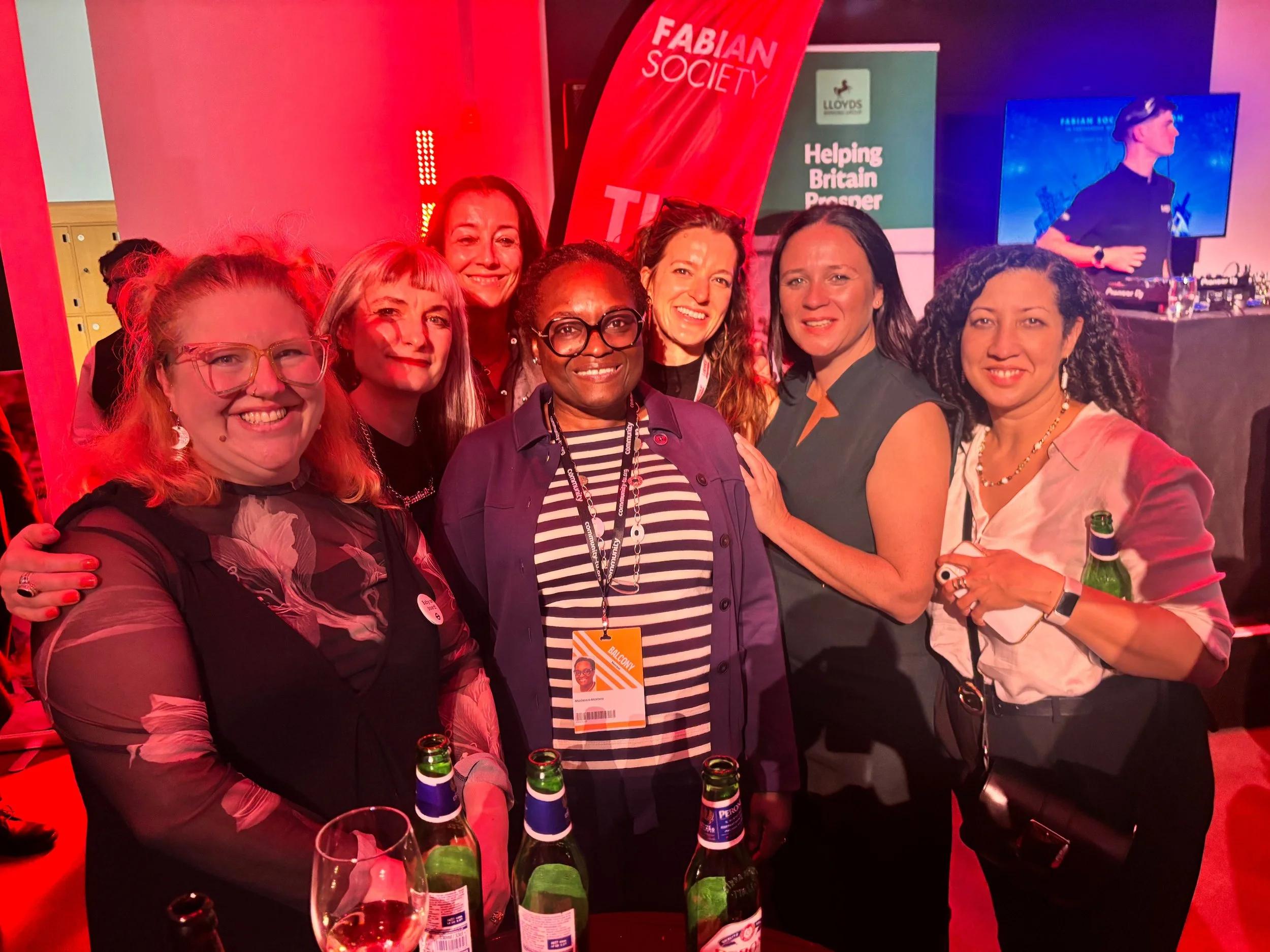
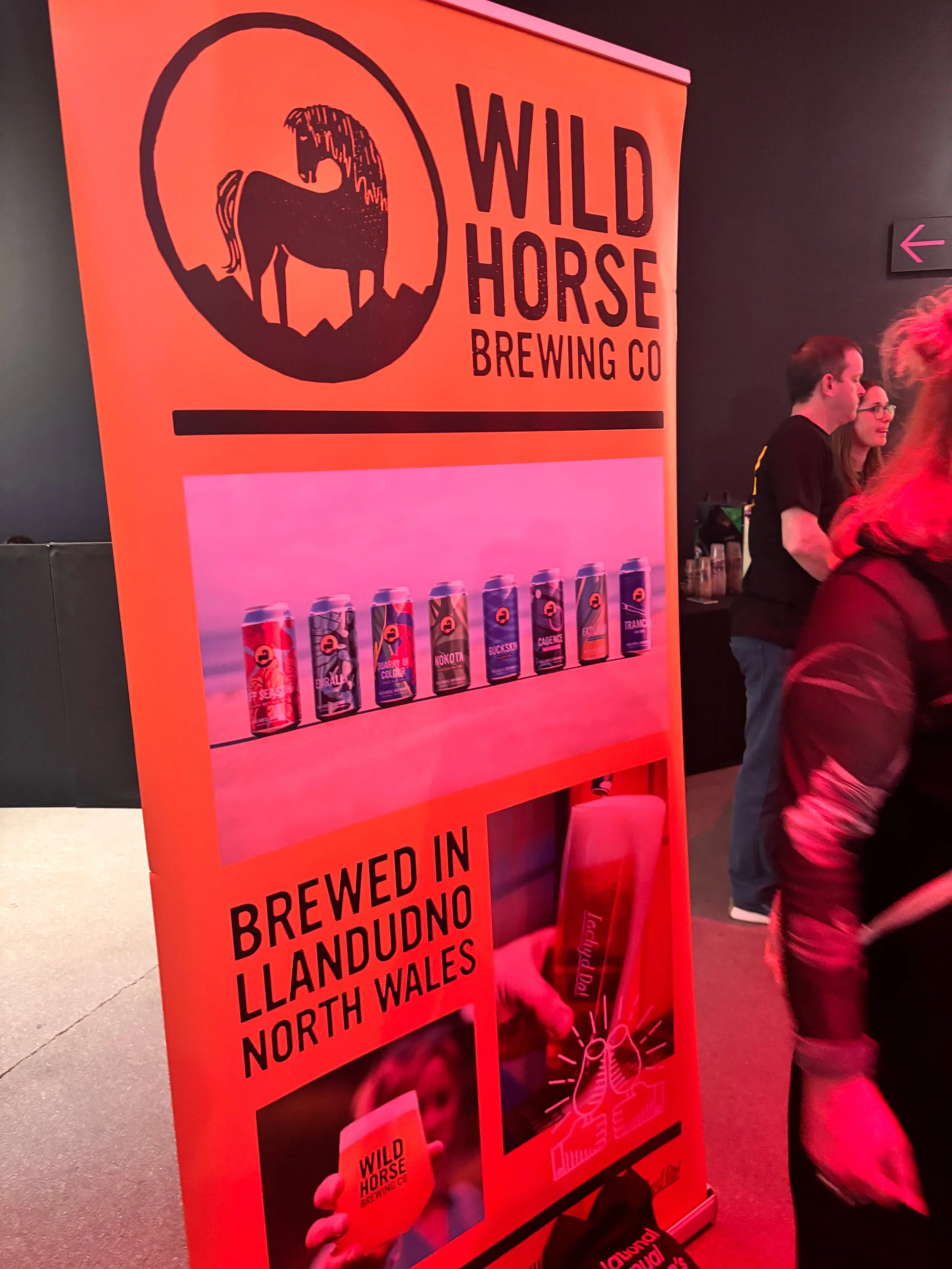
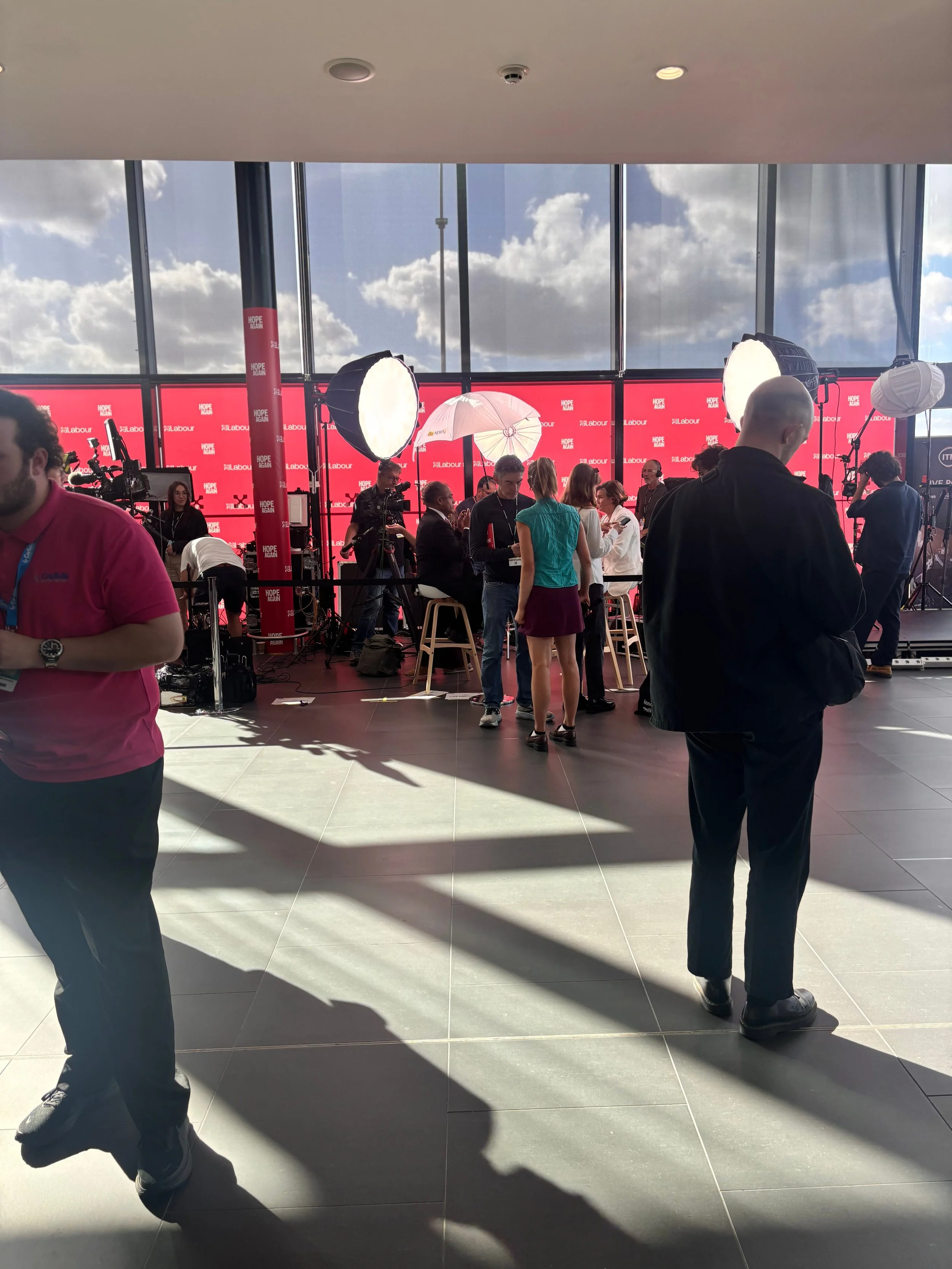
It was good to be in Liverpool: the sun was shining and honestly some of the views were truly beautiful as I walked from event to event, so yes it was worth being there. Fool’s Gold by The Stone Roses was playing as I walked into the Fabian Society event, the Burnham playlist clearly on the agenda, in a room where Sadiq Khan was eating a Caribbean-inspired patty, chilled craft beer from Llandudno was being served, and personally more pertinently, it was filled with the truly impressive women who have, like me, been through the Fabian Women’s Network mentoring scheme. I am so proud of all of them and their diverse achievements, it is a total endorsement of this voluntary political empowerment training, that amongst them were Sara Hyde, recently made a Baroness in the House of Lords, and Jay Morton, who was recently elected to be RIBA President-Elect. Both of whom I met through the scheme. I love the way we celebrate one another’s success, and support one another when times are more challenging. I watched media pundits being powdered for their TV close-ups, and I watched the audience and its many standing ovations, when Andy Burnham gave his first leader’s speech on Tuesday.
Burnham’s speech has been likened to Neil Kinnock’s famous Labour leader1985 “Grotesque Chaos”speech, which he wrote the night before and personally I find one of the most moving speeches in political history. Every single time I hear it, I feel the passion of the man making one of the most powerful platform speeches by one of the best Prime Ministers the UK never had. Reportedly, Andy Burnham, also wrote his speech, not using a cavalcade of script writers and comms gurus. Like Kinnock, Burnham is definitely a naturally strong orator. He didn’t use a lectern, and spoke with tears in his eyes, of his recently deceased father Roy, who died of dementia, as he pinned his government’s agenda to a National Care Service, ending the triple local state pension and building council housing.
In Burnham we definitely have a naturally eloquent politician, who beyond the vibes, mixes the grand policy scope analysis that Brexit and Thatcher’s council house sell-off have impacted us all, equating the 1 million council houses sold under the Tories with the homelessness epidemic. This was a neat political analysis of the personal impact of his working class family and their aspirational values. As someone who has hosted events and written numerous times about working class aspiration, this is the songbook I have long been singing from. It makes sense of wanting a better life for ourselves and our children, and is why so many of us feel frustrated by the economic stagnation, combined with inflation, of the last decade.
There was a clear focus on the why: the political rationale behind a government’s policy agenda, I was less clear on the how: how we get there, and what that means for the business community.
The irony was that Burnham’s speech was about our sector, and it didn’t know it. So while fashion, textiles, creativity, culture, and retail were not mentioned, we were embedded in the speech’s thematics.
Re-industrialising the regions. Anyone who knows their fashion history knows that fashion and textiles did this first. From Manchester’s mills, to Leicester’s manufacturing, Nottingham’s shoe makers, Yorkshire wool towns, and the Border’s textiles factories. You only have to look at the burgeoning of The Great British Wool Revival map, mushroomed from 200 to 650 stakeholders since we launched two years ago, to see that making and manufacturing are still a beating drum of UK business.
Working-class aspiration. At Fashion Roundtable, since we launched we have done much reporting on the impact of the STEM education agenda on state educated creative industry training and jobs. We have also reported on the impact of unpaid internships, London-centric hiring and a decade of art and design treated as optional. A child in Everton has as much right to a creative career as an Old Etonian. But if you do not train the child in Everton, however talented they might be, in how to paint, play a guitar, or sew, how can you expect them to consider jobs using those skills?
Skills. A 45-day work placement, an apprenticeship at 18, parity between academic and technical routes are all welcome. But pattern cutters, sample machinists and garment technologists are retiring faster than we train replacements. This is a real issue if we look to onshore at scale, in a global market where the EU has a Made in Europe agenda with the Industrial Accelerator Act (they mean including the UK, they mean the EU), and the US has The Berry Amendment, which promotes US made public procurement.
Public Procurement. Backing British business should mean looking at the uniforms and workwear the public sector buys in huge volumes. Andy Burnham now has our open letter asking for a meeting to discuss this, signed by over 1200 businesses and delivered to Number 10. We are still waiting for a reply.
Energy. Anyone running a high street shop, regional mill, or creative studio, knows what energy costs do to margins. We need an energy solution which supports SMEs.
Brexit. The Prime Minister promised gains for the industries hit hardest. Fashion SMEs are among them. We have been reporting on Brexit impacts since we launched in 2017. The speech said all options are on the table. The EU is still our largest and closest trading partner. This could be the economic boost British brands need.
AI. Britain will put AI centre stage at the G20 next year. We have flagged the issues AI has with IP and creativity for over 3 years. We do not need a binary choice between AI and creators, licensing must mean fair pay. Designers, illustrators and photographers are watching their work get scraped, losing jobs to AI versions of themselves, while we talk about leadership. And our broken university system continues to train students in creative industry jobs, and charge them for it, which AI could eradicate without strong measures. The AI genie is out of the bottle, but strong leadership sees the value in craft and culture as much as innovation and global positioning.
What I’m asking Burnham for
The Chancellor will deliver the Budget later this month and now Burnham has set the agenda with his Leader’s Speech on Tuesday, we now need to see fashion and creativity embedded in a roadmap for growth, with a skills strategy for garment manufacturing, made in the UK public procurement, and supporting the circular economy by removing VAT from secondhand clothes and repairs. Imagine high street regeneration with skills cafes as bedrocks of communities using empty shops to boost footfall, and support our fashion students into entry-level entrepreneurship. Boost links between fashion colleges and local councils, to enable fashion graduates to use empty retail units as spaces for pop up shops. Just imagine a country where the FE student and graduate route to entrepreneurship brought to market reinvigorated local high streets and reinvigorated footfall back to neglected communities. That to me is hope again.
At Fashion Roundtable we’ll keep coming to the table with evidence, proposals and proof positive that the creative sector can and should be the backbone of the Prime Minister’s hope again agenda.